
 EN
EN


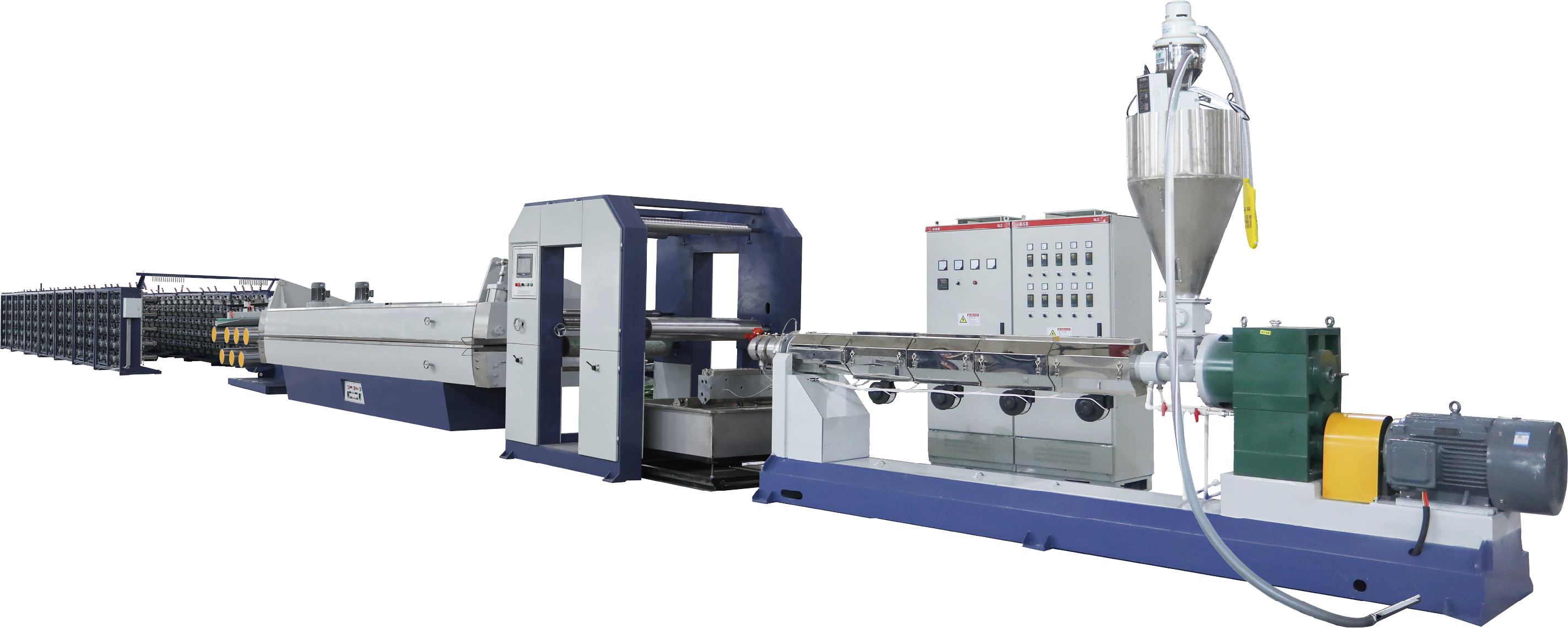
Why Dust and Fines Challenge Plastic Recycling Granulation Units
Sources of dust and fines specific to post-consumer plastic shredding and granulating
Post-consumer plastic streams introduce contaminants—paper labels, adhesives, soil, and residual food—that fracture into fine particles during high-speed cutting. Within the granulation unit, the mechanical interaction of rotor knives against stationary bed knives inherently generates micro-particles, even under optimal conditions. Brittle polymers like PET bottle flake are especially prone to dust formation. Dull or misaligned blades worsen the issue by tearing rather than slicing, while oversized screen apertures allow partially cut fragments to recirculate and break down further. Excessive rotor speeds increase friction and heat, inducing thermal embrittlement that elevates dust generation. Similarly, inconsistent feed rates—whether surging or starved—disrupt cutting chamber equilibrium, resulting in variable granulate and elevated fines. Collectively, these factors make the granulation unit a primary source of airborne dust and undersized particles.
Consequences for equipment longevity, operator safety, and downstream extrusion quality
Dust accumulation accelerates bearing and seal wear, triggering unplanned downtime and costly repairs. Fine particles can obstruct cooling channels and settle on electrical components, raising risks of overheating and short circuits. At high concentrations, airborne plastic dust presents a combustible dust hazard; prolonged operator exposure may cause respiratory irritation. Downstream, fines disrupt extrusion: uneven feeding leads to melt flow fluctuations and pressure instability, compromising product consistency. Fines also serve as thermal degradation nucleation sites, contributing to black specks and structural weaknesses in pellets or molded parts. Even trace amounts can impair optical clarity in recycled PET—making precise fines control essential for high-value applications.
Optimizing Your Plastic Recycling Granulation Unit for Minimal Fines Generation
Critical settings: rotor speed, screen size, and feed rate tuning for PET, HDPE, and PP streams
Optimizing granulator settings is foundational to minimizing fines. For PET, maintain rotor peripheral speed at 20–25 m/s to limit thermal degradation and dust; HDPE and PP tolerate higher shear, supporting speeds of 25–30 m/s without excessive fines. Screen selection must match polymer behavior: a 10 mm screen prevents over-grinding in PET, while 8 mm screens balance uniformity and throughput for HDPE and PP. Feed rate must remain steady—overloading induces inconsistent cutting and fines generation. Plant data from leading recyclers indicate that coordinated tuning of these parameters can reduce dust output by up to 40% in continuous operation. Crucially, rotor speed and screen aperture interact to influence particle residence time; pairing high speeds with small apertures increases recirculation and fines, so adjustments should be validated using real-time output monitoring—not theoretical assumptions.
Maintenance best practices to prevent wear-induced fines (e.g., blade alignment, screen integrity)
Preventive maintenance is the most effective safeguard against wear-driven fines. Dull blades tear instead of cut, producing jagged edges and dust. Blade alignment and sharpness should be verified every 200 operating hours; misalignment alone can increase dust volumes by 15% or more. Screen integrity is equally critical—worn or deformed screens permit oversized particles to pass, prompting unnecessary re-grinding and secondary fines generation. Replace compromised screens promptly and clean the cutting chamber regularly to avoid buildup that impedes particle flow. Consistent adherence to this regimen sustains uniform particle size distribution, reduces airborne dust, and supports both product quality and workplace safety.
Integrated Dust Control Solutions for Plastic Recycling Granulation Units
Source-capture hoods, cyclones, and cartridge filters tailored to plastic granulate dust profiles
Effective dust control starts at the source. Strategically placed source-capture hoods—at the cutting chamber, screen discharge, and conveyor transfer points—draw airborne fines directly into ductwork before dispersion. Designed with high-velocity inlet slots, these hoods maximize capture efficiency without disrupting material flow. A cyclone separator then removes the bulk of larger particles (10–50 microns) via centrifugal force, significantly reducing loading on final-stage filtration. A downstream cartridge filter with PTFE-coated media captures sub-micron dust common in PET and HDPE regrind—ensuring high-efficiency retention without rapid clogging. Modular system designs allow customization to match the unique particle size distribution and dust load of each feedstock. Differential pressure monitoring provides actionable insight into filter condition, enabling timely replacement and sustained capture performance.
Sealed transfer points and inert gas purging for high-risk zones (e.g., granulator discharge, silo loading)
Sealing transfer points—especially between granulator discharge and pneumatic conveying lines—is non-negotiable. Conductive rotary airlock valves and tightly fitted chutes contain fines while limiting oxygen ingress. In high-risk areas such as silo loading, where static-charged plastic dust can form explosive atmospheres, nitrogen purging reduces oxygen concentration below the limiting oxidant concentration (LOC), effectively eliminating ignition potential. When combined with grounded, conductive ductwork and proper bonding, this approach neutralizes static buildup and mitigates explosion risk. At the granulator discharge, a sealed transition integrated with local exhaust ensures immediate capture of dust generated during cutting—maintaining a safe, low-dust environment around the unit and supporting compliance with OSHA and NFPA standards.
FAQs
Why is dust generation a problem in plastic recycling granulation units?
Dust generation leads to equipment wear, operator safety risks, and quality issues in extrusion processes. Accumulated dust can damage machinery, harm workers, and lower the quality of recycled products.
How can granulator settings be optimized to minimize dust and fines?
Optimal rotor speeds, screen sizes, and consistent feed rates tailored to the polymer type help reduce dust. Periodic adjustment and real-time monitoring are essential for efficiency.
What maintenance practices help prevent wear-induced fines?
Regular blade alignment checks, maintaining screen integrity, and cleaning the cutting chamber ensure consistent particle size distribution and limit undue fines production.
How do dust control systems work in plastic granulation units?
Systems like source-capture hoods, cyclones, and cartridge filters eliminate airborne dust at various points in the granulation process. Modular designs allow customization based on particle profiles.
Why are sealed transfer points important for safety?
Sealed transfer points contain dust and prevent oxygen ingress, reducing risks of static buildup, combustion, and explosion. They also aid compliance with safety standards like OSHA and NFPA.
Table of Contents
- Why Dust and Fines Challenge Plastic Recycling Granulation Units
- Optimizing Your Plastic Recycling Granulation Unit for Minimal Fines Generation
- Integrated Dust Control Solutions for Plastic Recycling Granulation Units
-
FAQs
- Why is dust generation a problem in plastic recycling granulation units?
- How can granulator settings be optimized to minimize dust and fines?
- What maintenance practices help prevent wear-induced fines?
- How do dust control systems work in plastic granulation units?
- Why are sealed transfer points important for safety?