
 EN
EN



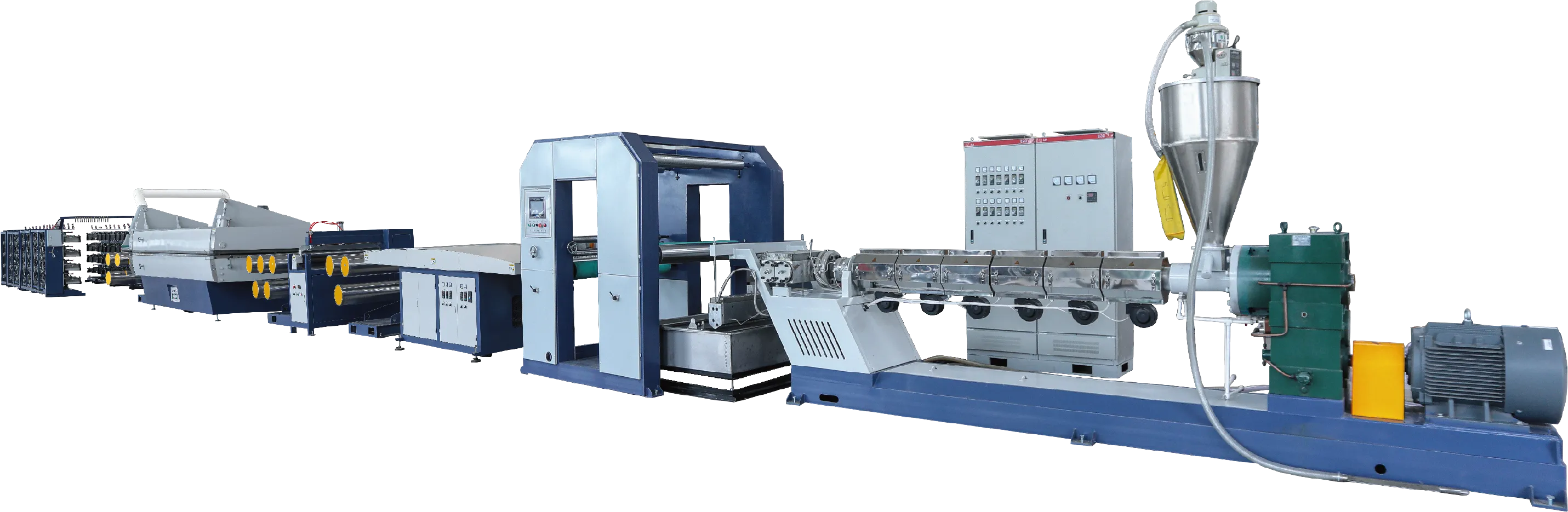
Poor Cut Quality: Tearing, Rough Edges, and Dust Formation
Knife system root causes: alignment, shear angle, and lateral pressure calibration
When cutting systems aren't properly aligned, they spread force all over the place on plastic film which leads to tearing problems and those annoying frayed edges nobody wants. Getting the shear angle right between around 85 degrees to 88 degrees makes for much cleaner cuts without stressing out the material too much. Keeping lateral pressure under 15 psi is also important because otherwise the edges start getting deformed during processing. Dull blades create way more heat from friction sometimes as much as 40% extra, and this heat breaks down the polymer chains faster than we'd like. For best results, most operators find that recalibrating equipment approximately every 500 operating hours works well. Pairing this regular maintenance with good tension control throughout the production line keeps everything running smoothly and stops those frustrating instances where the material slips and creates messy, uneven cuts.
Thermal vs. mechanical fracture trade-offs: why excessive sharpness increases dust in plastic flat film drawing machine operations
Blades that are too sharp, especially those with edge angles under 25 degrees, tend to cause brittle fractures in polyolefin films. This creates tiny particles that can boost airborne dust levels by around 60%, which is a real concern in manufacturing environments. Mechanical shearing works much better when it's done right. It gives cleaner edges compared to thermal cutting techniques that actually melt the material and leave behind solidified residue. Most professionals find that blades with an included angle between 30 and 35 degrees strike the best balance. They allow for controlled breaking without sacrificing the material's flexibility. When proper cooling is maintained throughout the cutting process to keep the polymer stable, these methods consistently stay within safe limits. Particulate emissions typically remain well below OSHA's 5 mg per cubic meter threshold for worker safety, making them a practical solution for many industrial applications.
Inconsistent Temperature Control Across Barrel, Die, and Cooling Zones
Melt temperature instability and its effect on die gap consistency and optical clarity
Getting the temperature just right is really important when making plastic flat film that needs to be clear and keep its shape. When the barrel temperatures vary by more than plus or minus 8 degrees Celsius, things start going wrong with the melted material. We see problems like unpredictable swelling at the die, changes in how thick the material flows, and all sorts of turbulent movement inside the machine. These issues show up as visible lines across the film surface, uneven coloring spots, and a cloudy appearance that's particularly noticeable in transparent materials such as PETG. With certain types of resin that absorb moisture from the air, poor temperature control makes matters worse because trapped water creates tiny pockets that scatter light and ruin clarity. Modern manufacturing facilities now use advanced PID controllers along with infrared cameras to monitor temperatures in real time. This helps maintain temperature ranges within about plus or minus 2 degrees Celsius, which keeps the die gap stable and reduces those annoying optical flaws that plague quality control inspectors day after day.
Zone-specific thermal lag: empirical correlation between ±8°C deviation and gauge band formation
The temperature difference between neighboring sections of an extruder barrel actually makes extrusion problems worse. When the feed zone gets too cold, it slows down the melting process. Meanwhile, if the metering zone runs too hot, it can cause material breakdown in specific areas. Both situations mess with the pressure stability of the molten material. According to a study from the Polymer Processing Journal, even small temperature swings of plus or minus 8 degrees Celsius lead to about a third more instances of gauge bands in production runs. These temperature issues don't just stay put either. They travel along the production line, and when air ring cooling isn't uniform across the product, it creates uneven crystal formation throughout the material. This ultimately results in noticeable differences in thickness across different parts of the final product.
| Temperature Deviation | Gauge Band Severity | Film Defect Rate |
|---|---|---|
| ±2°C | Negligible | <5% |
| ±3–5°C | Moderate | 12–18% |
| ±8°C | Severe | 30–40% |
Synchronized heater-band calibration and dynamic airflow optimization in cooling zones eliminate thermal hysteresis and restore uniform solidification.
Feedstock-Related Defects: Moisture, Contamination, and Thermal Degradation
Moisture-Induced Voids and Crystallization in Hygroscopic Resins (e.g., PETG) During Plastic Flat Film Drawing
Residual moisture in hygroscopic resins like PETG—absorbing >0.3% ambient humidity—vaporizes into micro-bubbles above 100°C, creating subsurface voids and surface pitting. More critically, moisture disrupts molecular alignment during cooling, triggering uncontrolled crystallization that clouds film and reduces impact strength by up to 40%. Key failure mechanisms include:
- Void formation: Steam expansion generates micron-scale cavities that compromise tensile integrity
- Crystalline hotspots: Localized brittleness increases susceptibility to fracture under draw stress
- Hydrolysis: Water molecules catalyze chain scission, permanently degrading elongation and tensile properties
When it comes to PETG processing, thermal degradation really makes things worse. If the barrel stays above 280 degrees Celsius for too long, the polymer chains start breaking down, which creates those annoying black specks and gel-like particles everyone hates. For anyone aiming at optical quality parts, controlling moisture below 50 ppm while keeping temperature stable within plus or minus 5 degrees is absolutely critical. Research has found something pretty shocking actually - even 100 ppm of moisture can cut the material's strength by nearly 20%. Most manufacturers swear by drying hoppers set around 150 degrees Celsius for at least four hours. These systems need proper humidity monitoring through closed loop sensors to work right, though many still struggle with getting consistent results despite following all the guidelines.
Film Uniformity Loss: Wrinkles, Gauge Bands, and Vertical Stripes
Asymmetric Cooling Tension Imbalance: Laser-Mapped Warping and Its Correction via Air-Ring and Nip-Roll Synchronization
Uneven cooling along the film web leads to tension problems that cause all sorts of issues like wrinkles, gauge bands, and those annoying vertical stripes everyone hates. When there's a temperature difference over 8 degrees Celsius between parts of the web, we get this uneven shrinking effect where cooler areas basically pull themselves tighter than warmer spots, making the whole thing shift out of place. If the imbalance gets too bad (around 40% of the total web width), these vertical stripes become visible and can be spotted using those fancy laser mapping systems for checking how warped things are getting. To fix this mess, several things need to happen together. First, adjust the air ring so temperatures stay within about plus or minus 5 degrees across the entire width. Then match up the pressure from the nip rolls with how fast different sections are actually cooling down. This helps eliminate those stressful concentration points. Companies have found that when they align the speed of the air ring with the tension changes in the nip rolls through some smart algorithms, they cut down on wrinkles by almost 92%. That makes a huge difference because nobody wants their finished product buckling at the edges when it comes time to wind it up for storage or shipping.
Mechanical Parameter Mismatches in the Plastic Flat Film Drawing Machine
Screw RPM, screen clogging, and L/D ratio effects on melt homogeneity and pressure-induced melt fracture
When there are mechanical mismatches in the system, it really messes with extrusion stability right from the beginning. If the screw RPM gets too high or fluctuates too much, this creates problems with shear heat, which changes how viscous the material becomes and throws off the melt flow at the die. Often times, this goes beyond what the polymer can handle under pressure. Contamination in the screen pack blocks normal flow paths, causing sudden pressure spikes that actually break apart polymer chains. This forces the melt to redistribute itself unevenly, making gauge variations worse than they should be. And let's not forget about those short L/D ratios below 24:1. These just don't give enough time for proper melting and mixing, so we end up with little crystals or clumps of additives showing up as streaks or unmelted spots in the final product. All these issues combine to put extra stress on the whole production line. When pressures get too high for the materials to handle, we see melt fractures forming either as spiral distortions or that rough sharkskin texture on surfaces. The real fix isn't just tweaking one parameter here and there. Manufacturers need to look at all the mechanical settings together and synchronize them properly if they want to eliminate these quality problems and maintain consistent output.
Frequently Asked Questions
What causes tearing and rough edges in plastic film production?
Tearing and rough edges often result from improper alignment of cutting systems, incorrect shear angles, and excessive lateral pressure during the production process.
How can excessive sharpness in blades impact the production process?
Excessively sharp blades can cause brittle fractures in the material, leading to increased dust levels and weaker edges in the final product.
How does temperature instability affect the quality of plastic films?
Inconsistent temperatures can lead to issues like unpredictable swelling, turbulent material flow, and optical flaws such as visible lines and uneven coloring.
Why is moisture control crucial in the production of plastic films?
Moisture in materials like PETG can cause voids and crystallization issues, leading to reduced transparency and strength of the final product.
Table of Contents
- Poor Cut Quality: Tearing, Rough Edges, and Dust Formation
- Inconsistent Temperature Control Across Barrel, Die, and Cooling Zones
- Feedstock-Related Defects: Moisture, Contamination, and Thermal Degradation
- Film Uniformity Loss: Wrinkles, Gauge Bands, and Vertical Stripes
- Mechanical Parameter Mismatches in the Plastic Flat Film Drawing Machine
- Frequently Asked Questions