
 EN
EN



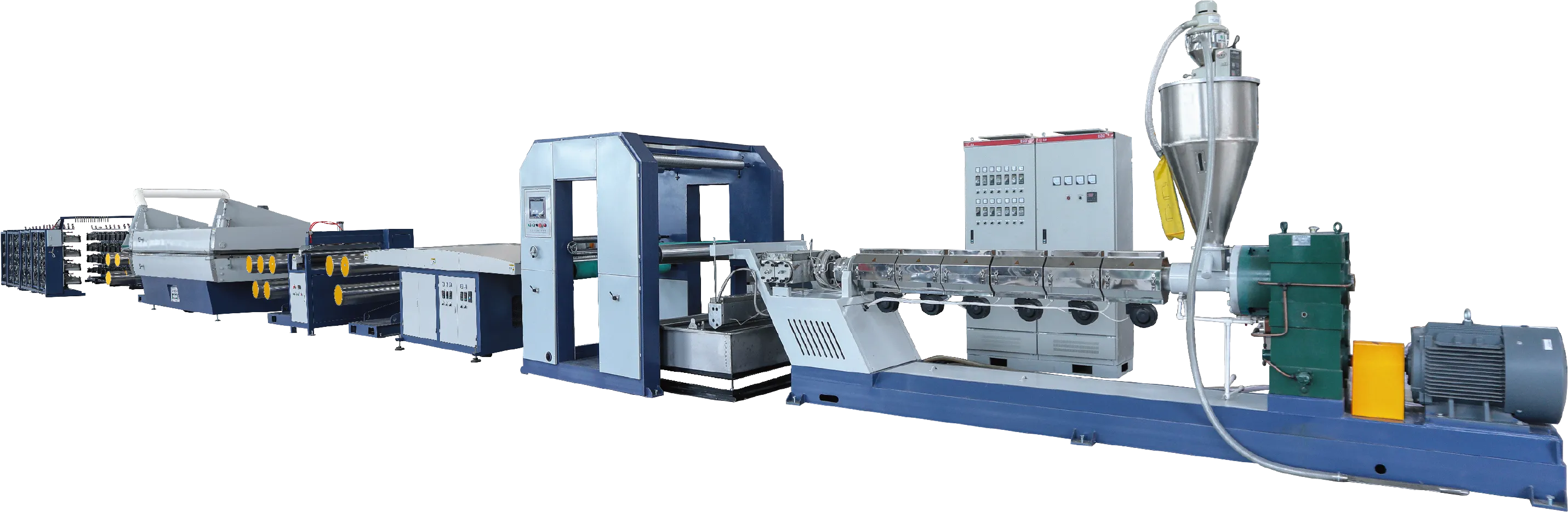
When to Replace or Upgrade Your Plastic Flat Film Drawing Machine
Key Indicators of Obsolescence: Downtime, Calibration Drift, and Material Waste
When plastic flat film drawing machines start showing their age, it usually comes down to declining performance metrics. If unplanned downtime hits more than 5% of total operating time, that typically means the machine is suffering from mechanical wear and components are starting to fail more often. The calibration tends to drift too, with film thickness measurements drifting outside the acceptable range of plus or minus 0.05mm. This forces operators into constant manual adjustments, which breaks up production rhythm and slows things down considerably. Scrap rates tend to creep up past 8 to 12% as well, mostly because older machines struggle with maintaining proper tension levels and keeping temperature controls stable. According to recent research in polymer processing from last year, equipment that's been running for over ten years produces somewhere between 15 and 22% more waste compared to newer models. This translates directly into thinner profit margins when factoring in lost materials and higher disposal expenses.
Quantifying ROI Loss: How Aging Machines Impact Tolerances, Cycle Time, and Scrap Rates
Aging equipment undermines profitability through compounding efficiency losses:
| Performance Metric | Impact of Aging Equipment | Financial Consequence |
|---|---|---|
| Tolerance Control | ±0.1mm deviations increase | 8–15% rejection rate |
| Cycle Time | 20–30% slower throughput | $18k/yr/line in lost output |
| Scrap Rates | 12–18% material waste | $24k/yr in raw material loss |
These effects compound: a machine operating at just 70% of modern efficiency can cost over $140k annually in lost ROI. Slower cycle times delay order fulfillment; tolerance failures trigger customer chargebacks. When annual maintenance exceeds 15% of the machine’s original value, replacement shifts from strategic to economically unavoidable.
Core Modernization Options for Plastic Flat Film Drawing Machines
Retrofitting Legacy Units with Smart Sensors and Closed-Loop Thickness Control
Upgrading old plastic flat film drawing machines with IoT sensors brings significant improvements in precision without needing to replace the whole system. The sensors track how thick the film is as it moves through the machine and send this information to control systems that automatically tweak roller settings and heater temperatures. What we see in practice is much better consistency in film thickness, usually staying within about plus or minus 2 microns. Most plants also notice around 12 to maybe even 18 percent less wasted material after installation. Factory managers tell us they need to stop the line for calibration checks about 30% less often once these upgrades are in place. Because the retrofitting approach is modular, companies can install these improvements during regular maintenance periods instead of shutting down production completely. This not only saves money but also gives those older machines several more years of useful service before major replacements become necessary.
Full Replacement with Next-Gen Machines Featuring AI-Powered Film Profile Optimization
Retrofitting just doesn't work anymore once equipment hits around ten years old or when production stops and waste start piling up beyond acceptable levels. That's where next generation plastic flat film drawing machines come into play with their game changing features. These machines have smart algorithms built right in that look at past production runs, how different resins behave, plus all sorts of environmental factors. They then figure out optimal settings for temperature control, tension management, and line speeds as things happen. According to industry standards, companies report cutting down setup times roughly forty percent and reducing scrap material about twenty five percent. What makes these systems really stand out is their ability to adjust automatically during production when viscosity changes occur halfway through a batch, keeping output steady despite variations in raw materials coming in. Plus there are energy recovery systems integrated which bring down yearly running expenses somewhere around fifteen percent. And let's not forget the incredible precision at the micron level that allows manufacturers to produce films meeting strict barrier requirements or those needed for medical applications.
Integrating the Upgraded Machine into Your Digital Workflow
Bridging CAD Design to Machine Control: Seamless Data Flow from SolidWorks to PLC Interfaces
When CAD platforms such as SolidWorks integrate directly with a machine's PLC, it basically removes the need for those frustrating manual programming steps that often lead to mistakes. All those design specs - things like how thick parts should be, what widths are acceptable, and when cooling needs to happen - get converted automatically into actual commands the machine can follow. The whole process saves tons of time during setup, sometimes cutting it down by around 70%, while keeping measurements spot on within about plus or minus 0.1mm. With closed loop feedback systems working alongside this, rollers stay properly positioned and heater zones adjust themselves according to what was originally designed in CAD. This means no drifting off course over time, so every production run ends up looking just like the digital version created at the start, all without needing someone to constantly fix things manually.
Ensuring Compatibility with ERP and MES Systems for Real-Time Production Tracking
When modern plastic flat film drawing machines are connected to ERP and MES systems, they become smart components in the overall digital setup. The integration allows for tracking things like how much material gets used, what kind of energy consumption there is, number of cycles run, and various quality measurements compared to planned production goals. Dashboards will show problems right away if something goes wrong, like when too much resin starts getting consumed or when production slows down unexpectedly. This gives operators time to fix issues before they turn into bigger problems and create waste. Connecting these systems cuts down on mistakes made during data entry by about half, according to industry reports. Plus, it helps predict when maintenance might be needed by looking at current machine data alongside past breakdown records. When everything works together properly, inventory levels stay accurate based on what's actually being produced, so companies don't run out of materials nor end up with too much scrap because of scheduling conflicts.
FAQ Section
What is the lifespan of a plastic flat film drawing machine?
Plastic flat film drawing machines typically last around ten years, but this can vary based on usage and maintenance.
How can I determine if my machine needs upgrading?
Key indicators include excessive downtime, calibration drift, increased material waste, slower cycle times, and escalated maintenance costs.
What are the benefits of retrofitting old machines?
Retrofitting can improve precision, reduce waste, and extend the machine's service life without halting production.
What advantages do next-gen machines offer?
Next-gen machines offer AI-powered optimization, reduced setup times, lower waste rates, and improved energy efficiency. They can meet stringent performance demands.
How do updated machines integrate with digital workflows?
Updated machines can seamlessly convert CAD design specs into machine commands and integrate with ERP/MES systems for real-time production tracking.