
 EN
EN



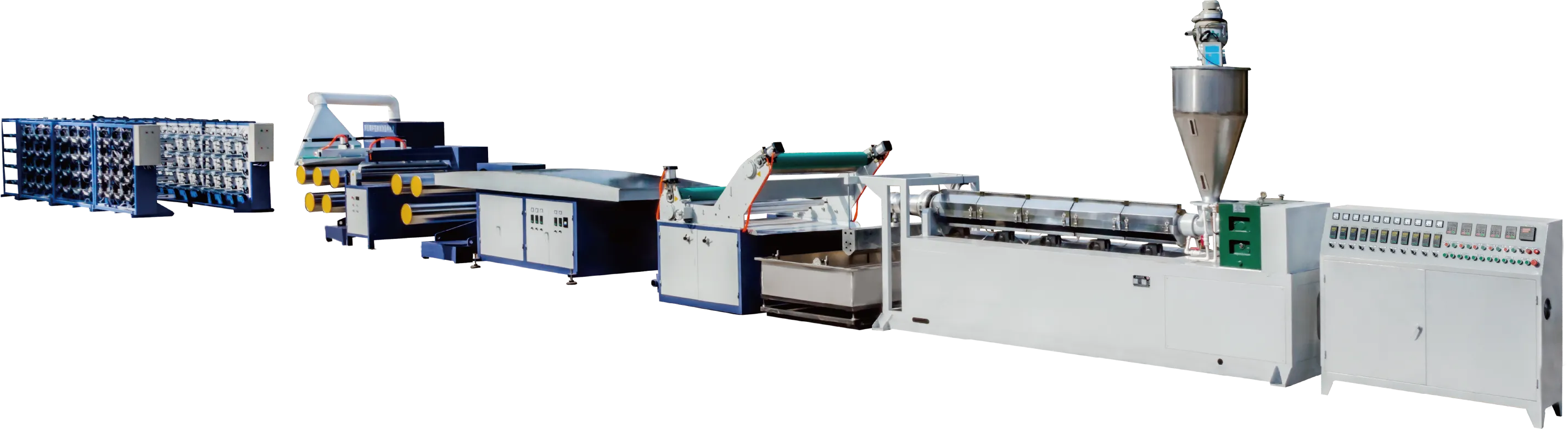
Optimizing Plastic Flat Film Drawing Machine Parameters for Consistent Output
Precision control of extrusion parameters ensures predictable thickness and material properties in plastic flat film production. A 2023 study by material scientists found that optimized plastic flat film drawing machine operations achieve 97% thickness uniformity when calibrated correctly—critical for barrier films used in medical packaging or electronics protection.
Temperature, Pressure, and Line Speed Calibration in Extrusion and Orientation Stages
Key calibration parameters directly impact crystal structure and molecular orientation:
- Extruder barrel zones: Maintain ±1°C tolerance (PET requires 265–290°C; PP operates at 190–230°C)
- Line pressure: Stabilize within 5% variance to prevent surging
- Draw ratios: Adjust machine direction (MD) and transverse direction (TD) orientation rollers for balanced tensile properties
Inconsistent cooling rates between extrusion and quenching stages cause surface defects like haze or brittleness, reducing oxygen barrier performance by up to 40%.
Real-Time Adaptive Control Using Closed-Loop Feedback Systems
Modern drawing machines integrate sensors and programmable logic controllers (PLCs) to dynamically adjust parameters:
- Infrared thermometers track film surface temperature post-die
- Thickness gauges trigger automatic roller speed compensation every 0.5 seconds
- Viscosity monitors detect resin degradation, signaling screw speed reductions
Operators using these systems report 30% fewer production halts from gel particles or edge tears, according to the Society of Plastics Engineers (SPI 2023).
Precision Physical Testing to Validate Film Performance Metrics
Thickness Uniformity Assessment via Beta Gauge and Non-Contact Laser Micrometry
Getting the right thickness matters a lot for how well materials block things and stay strong overall. Beta gauge systems work by using radioactive stuff to figure out mass across an area down to the micron level. Laser micrometry is another approach that lets us map thickness without damaging anything, and it works in real time too. Keeping variations within about 5% helps avoid weak spots and saves on wasted material. The top companies actually manage to get below 2% difference thanks to their automated systems that constantly adjust themselves. When dealing with super thin films less than 25 microns thick, we need these non contact techniques so the measurements don't squish or distort the material, which makes sure everything meets those important optical and mechanical standards required for most applications.
Mechanical and Functional Testing: Tensile Strength, Elmendorf Tear, and Heat Seal Integrity (ASTM D882, D1922, F88)
Validating performance requires standardized mechanical tests simulating real-world stresses:
- Tensile strength (ASTM D882) measures resistance to stretching forces, with premium films exceeding 50 MPa MD/TD
- Elmendorf tear resistance (ASTM D1922) quantifies propagation force, critical for packaging durability
- Heat seal integrity (ASTM F88) verifies bond strength at sealing interfaces
Films processed through optimized drawing machines exhibit 30% higher tear resistance and consistent seal strengths above 3.5 N/15mm—directly improving downstream conversion efficiency and end-product reliability.
Automated Visual Inspection for Surface and Structural Defect Detection
Machine Vision Integration on Plastic Flat Film Drawing Machine Lines for Gels, Haze, Pinholes, and Edge Defects
Machine vision systems powered by artificial intelligence have become part of drawing machine lines these days, spotting tiny surface issues and structural problems as they happen. The high res cameras placed at key spots along the line catch all sorts of defects - those pesky gel formations from unmelted polymers, hazy areas where light scatters oddly, little pinhole leaks, and uneven edges too. These systems hit around 99% accuracy rates, which honestly beats what most human inspectors can manage. The smart software behind them processes thousands of images every minute, picking up on deviations down to about 5 micrometers even when the film vibrates or moves at speeds up to 15 meters per second. By catching problems early without damaging anything, manufacturers avoid costly quality issues later on and save roughly 18% in material waste according to industry data. What makes these systems really stand out is their ability to learn continuously. When companies switch to new polymer mixes or change how they produce things, the system adjusts its detection settings automatically, keeping everything within ASTM optical standards without needing someone to manually tweak settings.
Statistical Process Control and Continuous Quality Improvement
Statistical Process Control, or SPC for short, changes how plastic flat film gets made by shifting focus from fixing problems after they happen to managing quality before issues arise. The system applies stats throughout the whole manufacturing process. It keeps an eye on important factors like how consistent the thickness is, what temperature the extrusion runs at, and how fast the production line moves. All this information comes from sensors built right into the drawing machines. When looking at control charts, manufacturers can see if their processes are stable over time. Capability indices give numbers that show how well things are performing compared to what's required. These tools help workers tell the difference between normal fluctuations in production and actual problems that need fixing.
A manufacturer of packaging films cut down on thickness variations by nearly 40% over just half a year when they started doing daily process capability checks. Combining these statistical process control insights with methods such as PDCA makes it possible to tweak parameters again and again until things get better. When we bring together SPC data and look at what's really causing problems, production teams can tackle waste issues one by one. These might come from inconsistent materials, equipment drifting out of spec, or even changes in workshop conditions. As a result, many companies report defect reductions of around 15% per year after implementing this approach. What matters most is creating this feedback loop where every new batch not only hits existing targets but also pushes quality standards higher bit by bit through constant adjustments based on actual measurements rather than guesswork.
Regulatory Compliance, Batch Traceability, and Final Verification
Alignment with ISO 527-3, ASTM Standards, and Raw Material-to-Batch Traceability Protocols
Following international standards like ISO 527-3 plus ASTM specs D882, D1922, and F88 is essential when running plastic flat film drawing machines. These standards require detailed records on things like tensile strength measurements, how much the material stretches before breaking, and other performance indicators that matter in real world applications. When companies track materials from raw stock all the way through each batch, they keep thorough documentation about where polymers came from, what settings were used during processing, and results from quality checks at different stages. Such tracking systems help catch defects early on and make it easier when inspectors come knocking. Factories that have implemented digital tracking solutions report around a 34% drop in compliance issues, plus faster turnaround times for verifying products meet specifications.
FAQ
What are the key parameters to calibrate in plastic flat film production?
Key calibration parameters include extruder barrel zones temperature, line pressure stability, and draw ratios to ensure balanced tensile properties and avoid surface defects.
How do closed-loop feedback systems improve film drawing operations?
These systems integrate sensors and programmable controllers to dynamically adjust operational parameters, reducing production halts and improving film quality.
What role does Machine Vision play in quality assurance?
Machine Vision systems, powered by AI, detect surface and structural defects in real time with high accuracy, allowing manufacturers to reduce material waste and maintain quality standards.
Why is Statistical Process Control important in film manufacturing?
SPC helps manage and improve quality by monitoring essential variables and identifying process stability and capability, thereby reducing defects and improving consistency.
How do companies ensure regulatory compliance and traceability in production?
By aligning with international standards and maintaining robust traceability protocols, companies ensure comprehensive documentation and facilitate early defect detection and compliance verification.
Table of Contents
- Optimizing Plastic Flat Film Drawing Machine Parameters for Consistent Output
- Precision Physical Testing to Validate Film Performance Metrics
- Automated Visual Inspection for Surface and Structural Defect Detection
- Statistical Process Control and Continuous Quality Improvement
- Regulatory Compliance, Batch Traceability, and Final Verification
-
FAQ
- What are the key parameters to calibrate in plastic flat film production?
- How do closed-loop feedback systems improve film drawing operations?
- What role does Machine Vision play in quality assurance?
- Why is Statistical Process Control important in film manufacturing?
- How do companies ensure regulatory compliance and traceability in production?