
 EN
EN



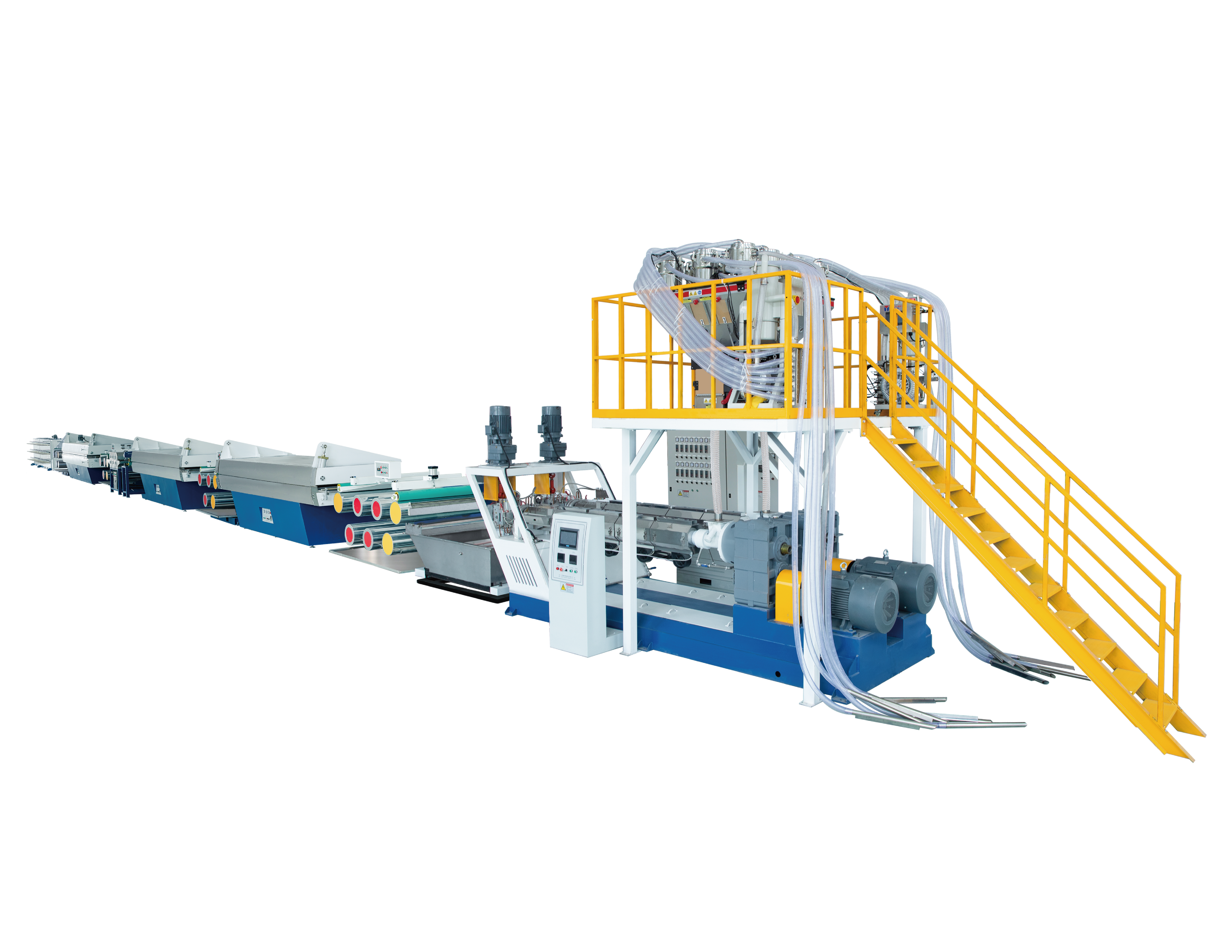
Optimize Tufting Mechanics for Maximum Line Speed
To boost production efficiency in artificial grass machinery, optimizing tufting mechanics is critical for achieving higher line speeds without compromising quality. This involves fine-tuning key components to handle increased operational demands, ensuring consistent output and reduced waste.
Calibrating Needle Bar Frequency and Yarn Feed Synchronization
Getting the needle bar frequency right along with proper yarn feed timing is what stops those frustrating problems like broken yarns and inconsistent tufts, which are major reasons machines keep stopping unexpectedly. When the needles go in at just the right pace matching the yarn coming through, everything runs much smoother. Factories have seen their production lines pick up speed by around 20% without compromising on how evenly packed the turf ends up being. Companies that get this balance right typically experience about 15% less downtime from machine stops and waste roughly 10% less material overall, which obviously boosts productivity numbers. Most modern setups now rely on automatic sensors for instant tweaks during operation, paired with regular maintenance schedules to keep things running efficiently without breaking the bank on repairs down the road.
Upgrading to High-Response Servo-Driven Tufting Heads
Switching out old fashioned mechanical tufting heads for modern servo driven systems brings real improvements in how fast things get done and how accurate the results are. These servo motors can speed up and slow down much quicker than their predecessors, which means production cycles take about 25% less time overall. Plus there's around 15% fewer unexpected stoppages because these systems put less strain on components over time. What really stands out though is the stitching quality when running at higher speeds. The pile remains consistently even throughout each batch, with proper height, density and tension maintained from start to finish. Some companies that made the switch early on reported getting as much as 30% better output rates, plus they noticed significant savings on repairs and replacements down the road. For manufacturers looking to boost efficiency without compromising quality, this kind of equipment upgrade ranks among the most worthwhile investments currently on the market.
Enhance Production Efficiency to Sustain High Output
Implement Real-Time Monitoring with Predictive Maintenance
Putting IoT sensors on artificial grass manufacturing machines lets operators keep tabs on things like vibrations, temperature changes, and how hard the motors are working these are all signs that parts might be wearing out. The sensor data goes into smart maintenance systems that can spot problems as much as three days before something actually breaks down. A recent industry report from 2024 shows these kinds of setups cut unexpected stoppages by almost 40% and boost machine efficiency by over 15 percentage points. When manufacturers catch issues early in components like tufting heads or roller systems, they maintain top speed production without those costly shutdowns that happen when equipment fails completely. This approach saves money and keeps operations running smoothly day after day.
Automate Material Handling to Minimize Batch Changeover Downtime
Material handling with robots like AGVs and those fancy spool loading systems cuts down batch changeover times dramatically, going from around 20 minutes down to less than a minute and a half. This kind of automation really shines when companies need to switch between different products, say from putting green turf to regular landscape stuff. The specs change so much between these products - backing weights differ, yarns are completely different materials, and pile heights can vary by inches. With precision guided systems taking over, there's basically no human error anymore in getting things aligned properly or controlling tension during production runs. According to a study published last year in Industrial Automation Journal, factories implementing these systems saw about a 22% boost in daily output while still maintaining consistent quality standards and without needing extra staff on hand.
Scale Throughput with Modular, Future-Ready Artificial Grass Machinery
Deploy Multi-Head Modular Tufting Systems for Parallel Processing
Multi-head tufting systems that are modular in design let manufacturers scale their operations while working on multiple tasks at once. These systems can slash production time by around 60% for every square meter produced when compared to older single-head setups. What makes them so effective is that each individual head works on its own schedule. So if one needs maintenance or adjustment, the rest of the system keeps going strong without any interruptions to the whole line. The architecture is built for easy expansion too. When business picks up, operators simply slot in additional tufting modules right where they're needed, no need to rip out existing equipment. Looking ahead, these systems are designed to handle all sorts of improvements down the road. Think about things like better yarn guides, sensors that monitor pile height in real time, and even connections to smart factory networks. All this means manufacturers stay compatible with what's coming next in textile production without having to start over from scratch.
Balance Performance Gains: Managing the Speed–Quality Trade-off in Artificial Grass Machinery
Running artificial grass machines at speeds higher than recommended brings real quality issues to the table. We've seen problems with uneven tuft density, variations in pile height, and all sorts of yarn tension problems when operators push too hard. Smart factories now install monitoring systems that catch pile height differences around half a millimeter or more, then slow things down automatically before bad stuff starts spreading through the batch. Pair this with regular maintenance checks like looking at vibrations in the tufting heads, and manufacturers actually end up discarding about 20% less product overall while still hitting their daily targets. Most plants also stick to calibrating equipment roughly every 120 hours of production time. This keeps stitches looking consistent across the board without really slowing down how much gets made each day. So even though we're talking about performance improvements here, there's no need to sacrifice quality just to get faster results.
FAQ
What is the importance of calibrating needle bar frequency and yarn feed synchronization?
Calibrating needle bar frequency and yarn feed synchronization helps prevent problems such as broken yarns and inconsistent tufts, leading to smoother operation, reduced downtime by about 15%, and less material waste.
How do servo-driven tufting heads improve production?
Servo-driven tufting heads improve production by reducing cycle time by 25%, decreasing unexpected stoppages by 15%, and maintaining consistent stitching quality, thus enhancing output rates and reducing repair costs.
What role do IoT sensors play in manufacturing efficiency?
IoT sensors allow for real-time monitoring of machinery conditions. This helps predict maintenance needs, reducing unexpected stoppages by 40% and boosting machine efficiency by over 15 percentage points.
How does automation influence material handling and production efficiency?
Automation, using robots like AGVs, reduces batch changeover times significantly and cuts down human errors, increasing daily output by around 22% while maintaining consistent quality standards.