
 EN
EN



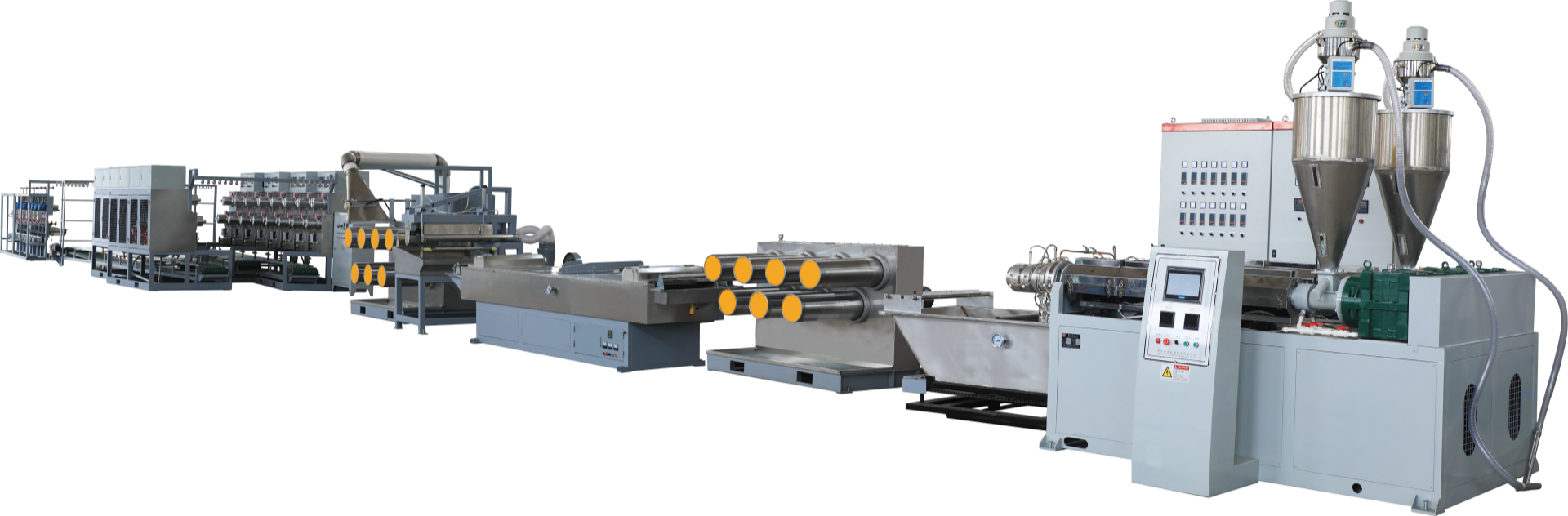
Understanding Cut Point and Its Direct Impact on Granule Quality
What Is Cut Point? Linking Screen Aperture to Target Particle Size Specification
The cut point is the precise aperture size at which a screen separates acceptable granules from oversize material—serving as the functional threshold for particle size distribution (PSD) control. In plastic recycling granulation, it directly determines whether final pellets meet specification. A screen with too large an aperture permits oversized particles to pass, risking downstream blockages and inconsistent product quality; an excessively fine aperture reduces throughput, increases energy demand, and generates unnecessary fines. Operators must align the cut point with the target granule size—typically expressed in millimeters or mesh—so that, for example, a 6 mm cut point rejects all material above that dimension while allowing compliant granules through. This alignment prevents costly reprocessing and ensures reliable output for injection molding, film extrusion, or other end uses.
Mesh-to-Micron Conversion: Ensuring Precision in PSD Control for Recycled Plastics
While mesh size denotes openings per linear inch, recycled plastics often require micron-level precision for tight PSD control. Standard conversions include 10 mesh = 2000 µm and 100 mesh = 150 µm—but using unverified or outdated conversion tables can shift the effective cut point by hundreds of microns, compromising accuracy. A deviation of just 100 µm may cause surface defects in injection-molded parts or gauge bands in thin-film extrusion. To prevent this, operators should cross-check mesh designations against calibrated sieve analysis—not rely solely on published charts. Maintaining a certified test sieve set enables routine validation of screen performance and ensures that the stated mesh rating reflects true aperture dimensions.
Material-Specific Screen Selection for Plastic Recycling Granulation Units
How Moisture, Cohesiveness, and Bulk Density Affect Effective Screening Efficiency
Selecting the right screen demands deep familiarity with feedstock properties. Moisture is especially critical: even 2–3% surface moisture can induce capillary forces between particles, causing fine fractions to agglomerate and blind the screen surface. Highly cohesive materials—such as PVC powder or shredded low-density polyethylene (LDPE) film—exhibit strong interparticle attraction, increasing the risk of pore blockage and requiring compensatory measures like steeper screen angles or higher vibration frequencies. Bulk density further influences flow dynamics: lightweight, low-density materials (e.g., expanded foam or thin-film flakes) move slowly across the deck and benefit from higher open-area screens to sustain throughput. Ignoring these variables leads directly to reduced screening efficiency, elevated specific energy consumption, and unstable PSD. A systematic assessment of moisture content, cohesiveness class, and bulk density allows operators to specify optimal aperture, wire diameter, and screen geometry—ensuring consistent, specification-compliant granule output.
Preventing Blinding: Slot Screens, Self-Cleaning Designs, and When to Pre-Dry Feedstock
Blinding—where particles lodge in or adhere to screen apertures—is a leading cause of productivity loss in plastic recycling granulation. Slot-type screens outperform round-hole designs for fibrous or elongated flakes, as their longer opening axis accommodates particle orientation and minimizes jamming. Self-cleaning technologies—including rubber balls (“bounce balls”), ultrasonic transducers, or air-assisted pulsation—disrupt adhesion forces and maintain open-area integrity over extended runs. When feedstock moisture exceeds 5%, or when tackiness is observed (e.g., clumping during handling), pre-drying becomes essential. Drying to ≤2% moisture typically improves screening efficiency by ~30% and cuts cleaning frequency by half. Combining slot screens, active self-cleaning systems, and targeted pre-drying delivers robust, stable performance—preserving both yield and PSD fidelity across variable feedstocks.
Optimizing Operational Performance: Throughput, Energy Use, and PSD Consistency
Monitoring Amp Draw and Temperature as Real-Time Indicators of Screen Sizing Fit
Motor amp draw and process temperature provide immediate, actionable feedback on screen performance. A sustained rise in amperage often signals an undersized aperture, partial blinding, or excessive load—forcing the motor to work beyond its design envelope. Similarly, abnormal temperature increases reflect heightened mechanical friction, commonly due to oversized rejection, feed inconsistency, or screen wear. By establishing baseline readings during stable operation, operators can detect deviations early and intervene before quality or efficiency degrades. For instance, persistent high amp draw may warrant switching to a larger-aperture screen or initiating a cleaning cycle; unexpected temperature spikes may indicate feedstock moisture variation or developing screen damage—both prompting timely maintenance and preventing unplanned downtime.
Balancing Fines Generation and Oversize Rejection to Meet End-Use Specifications
The screen’s aperture fundamentally governs the trade-off between fines generation and oversize rejection—both of which impact product value and process economics. Oversized apertures allow noncompliant particles into the final product, jeopardizing downstream processing; undersized apertures over-grind material, producing excess fines that reduce bulk density, impair flowability, and lower market value. The optimal cut point maximizes throughput while delivering the required PSD—such as 90% passing a 1 mm sieve for rigid packaging applications. Fine-tuning secondary parameters—screen angle, vibration amplitude, and residence time—further refines separation sharpness without sacrificing capacity. This balanced approach ensures PSD consistency across batches, meets stringent end-use specifications, and sustains operational efficiency in high-volume recycling operations.
Frequently Asked Questions (FAQ)
What is the role of the cut point in plastic recycling?
The cut point is the aperture size at which a screen separates acceptable granules from oversize materials. It ensures that the final recycled pellets meet specifications for downstream applications by controlling particle size distribution (PSD).
How is mesh size converted to microns in PSD control?
Mesh size outlines openings per linear inch, while microns provide precise particle dimensions. Standard conversions exist (e.g., 10 mesh = 2000 µm), but operators should validate screens with calibrated testing to ensure accuracy.
What factors impact screen efficiency for plastic recycling granulation?
Moisture content, material cohesiveness, and bulk density directly influence screening efficiency. These characteristics determine optimal screen design and operational tweaks required to ensure PSD fidelity.
How do operators prevent screen blinding in recycling systems?
Using slot screens, self-cleaning technologies, and pre-drying feedstocks can reduce blinding. For moist or tacky feedstocks, drying to ≤2% moisture can significantly enhance screening performance.
What operational metrics signal screen performance issues?
Real-time motor amp draw and temperature variations act as performance indicators. High unrestricted amp draw or abnormal heat may signal an improper screen aperture, blinding issues, or feedstock irregularities.
Why is balancing fines generation and oversize rejection essential?
The trade-off directly affects product quality. Oversized apertures can produce noncompliant granules, while overly fine apertures lead to excessive fines that deteriorate output flowability and value.
Table of Contents
- Understanding Cut Point and Its Direct Impact on Granule Quality
- Material-Specific Screen Selection for Plastic Recycling Granulation Units
- Optimizing Operational Performance: Throughput, Energy Use, and PSD Consistency
-
Frequently Asked Questions (FAQ)
- What is the role of the cut point in plastic recycling?
- How is mesh size converted to microns in PSD control?
- What factors impact screen efficiency for plastic recycling granulation?
- How do operators prevent screen blinding in recycling systems?
- What operational metrics signal screen performance issues?
- Why is balancing fines generation and oversize rejection essential?