
 EN
EN



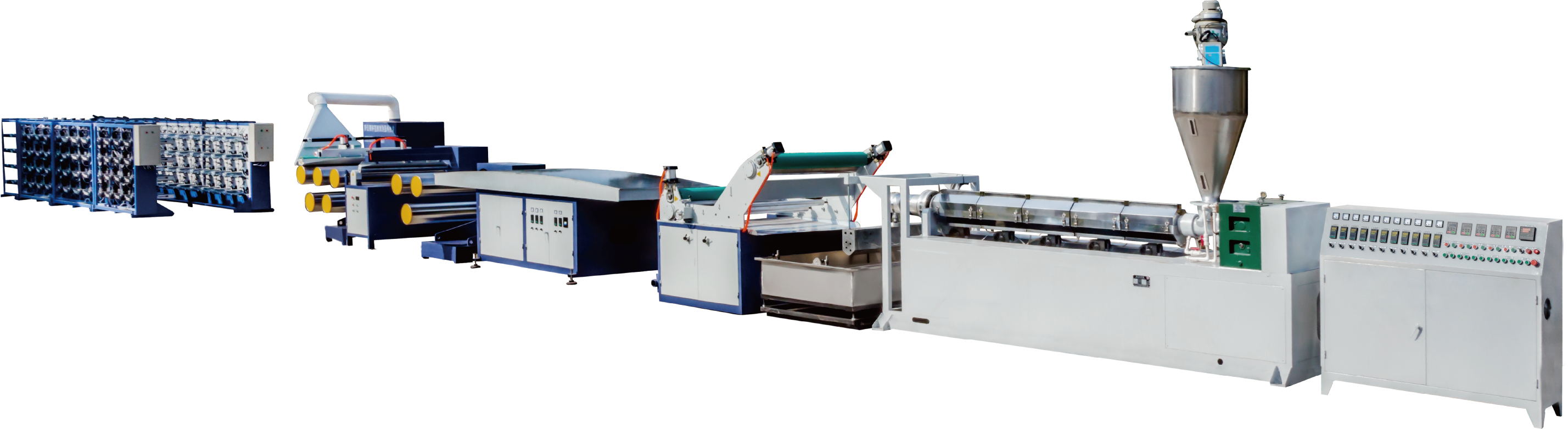
Essential Daily and Weekly Artificial Grass Machine Maintenance
Debris Removal, Surface Inspection, and Visual Fault Detection
It's important to sweep away leaves, twigs, and other organic stuff from the turf area every day. Otherwise we risk clogged drains and nasty microbes growing in there. Weekly checks are also necessary to spot problems early on like seams coming apart, fibers getting pulled out, or weird bumps under the surface. These issues can really cost money if ignored down the road. Keep an eye out for strange color changes across the field which might signal bad drainage spots or areas where people are wearing it down too much. Don't forget to pick up any random objects lying around since they can wreck expensive equipment when machines go over them. Writing down what gets noticed each time helps see how things are breaking down over months and decide what needs fixing first. Regular checking actually saves wear and tear on machinery because it stops gritty stuff from getting into delicate parts where it shouldn't be.
Light Brushing and Fiber Uprighting to Prevent Matting and Compaction
A good rule of thumb is to give synthetic turf a weekly brushing with stiff bristles to combat matting from all that walking and weather beating down on it. Go against the natural direction of the grass blades with gentle strokes that overlap slightly, lifting those flattened fibers without harming the synthetic yarn underneath. Keeping the pile height consistent matters a lot for how well the artificial grass holds up over time, plus it spreads out the infill material so we don't get these compacted spots in certain areas. Focus extra attention on spots where people tend to gather most since those areas compress faster than others. Even cushioning makes all the difference when it comes to comfort and proper water drainage through the system. Regular maintenance like this keeps the turf looking fresh longer and saves headaches down the road when major repairs might otherwise be needed.
Infill Optimization and Turf Hygiene for Machine-Efficient Operation
Even Infill Redistribution to Support Drainage, Cushioning, and Machine Pass Consistency
Keeping the infill at consistent depths matters a lot for how well the turf works and makes sure machines run smoothly. Weekly maintenance with power brooms or those drag brushes helps spread out the infill again, particularly around busy spots such as near goals where players constantly move back and forth causing the material to shift over time. When we don't do this regular redistribution, it leads to compacted layers underneath which clog up drainage systems and reduce the protective padding athletes need during play. From an equipment standpoint, having evenly distributed infill means blades and brushes face similar resistance across the field surface, so motors don't get overworked unnecessarily. Fields with uneven ground conditions actually make machinery work roughly 23 percent harder than they should according to some research. The financial impact? One recent study looked at several sports facilities last year and discovered that those who kept their infill levels within about plus or minus 5 millimeters ended up saving approximately seven hundred forty thousand dollars each year just on fixing broken down machines compared to places where nobody bothered with proper upkeep.
Targeted Rinsing, Stain Treatment, and Odor Mitigation Without Damaging Equipment Sensors
Getting hygiene right means finding the sweet spot between effective cleaning and protecting those sensitive sensors. When dealing with stuff like bird poop or spilled drinks, go for enzyme based cleaners mixed about 10 parts water to 1 part cleaner. Gently scrub with soft bristled brushes works best here. Stay away from pressure washers set higher than 800 PSI though. Those powerful jets just push dirt deeper into the backing material and might mess up the moisture sensors down below. Once a month for smell control, spray on some turf safe antimicrobial solution around sunrise when there's still morning dew on things. The dampness helps spread the stuff better across surfaces. Important note: pop those silicone covers over optical sensors before spraying. Leftover cleaner tends to fog up the lenses and throw off cutting height readings completely. Places that stick to this routine tend to replace their sensors about 40 percent less often than others who don't bother with such details.
Proactive Damage Assessment and Artificial Grass Machine Calibration
Early Identification of Seam Separation, Fiber Pull-Out, and Subsurface Issues
Regular checkups serve as our first line of protection against problems getting worse over time. When walking through the site, techs need to watch out for seams that have opened wider than 3 millimeters, areas where fibers are coming loose around spots people walk over a lot, plus any strange things happening below the surface such as ground sinking or unstable bases beneath the material. According to recent research, places that combine thermal imaging with vibration testing catch drainage problems underneath about two thirds quicker compared to just looking at things visually. This means finding hidden water buildup or weak spots in the foundation long before they start damaging the overall surface quality. Keep track of everything found during these checks because this data helps spot patterns and plan fixes based on actual observations instead of guesswork.
Calibrating Brushes, Blades, and Sensors to Match Turf Age and Infill Profile
The way we set up our equipment needs to change as the turf itself changes over time. When synthetic grass gets older, it's best to soften those brushes down below 450 grams of tension so we don't damage the fibers. For brand new installations though, stiffer bristles around 600 grams or more work better because they get into the infill properly. We should check those height sensors every three months since the infill tends to settle about 5 to 8 millimeters each year. The blade angles matter too. If the grass fibers are about 40mm tall, go with a 30 degree angle. But when dealing with shorter 30mm turf, a 25 degree setting keeps things looking good without cutting too much. Field studies from twelve different sports complexes show that keeping these adjustments aligned with how the materials age can cut down on repair expenses by roughly 31 percent.
Long-Term Performance Gains from Structured Artificial Grass Machine Care
Regular maintenance really pays off in the long run, not only extending how long machines last but also improving turf performance and reducing overall costs. Studies show that taking care of equipment ahead of time can cut down on repairs by about 25 or 30 percent, which means fewer unexpected breakdowns when they least expect them. Machines that are properly tuned help keep the turf in good shape too. They prevent damage to fibers during cleanings, so the field drains well, stays cushioned where needed, and looks great throughout the season. The bottom line is this: sticking to a proper maintenance schedule saves money on equipment and keeps artificial turf looking and performing at its best for many years, often well beyond ten seasons of regular use.
FAQ Section
How often should I brush my artificial grass?
Weekly brushing with stiff bristles is recommended to prevent matting and compaction.
Can I use a pressure washer to clean artificial grass?
It's best to avoid pressure washers above 800 PSI, as they can damage sensors and push dirt deeper.
What are the signs of turf damage that I should look for?
Look for seam separation wider than 3 millimeters, fiber pull-out, and subsurface issues like ground sinking.
Why is infill redistribution important?
Redistributing infill supports drainage, cushioning, and ensures consistent machine pass resistance.
What cleaning solution should I use for stains and odors?
Use enzyme-based cleaners mixed about 10 parts water to 1 part cleaner, and turf-safe antimicrobial solution monthly for odor control.