
 EN
EN



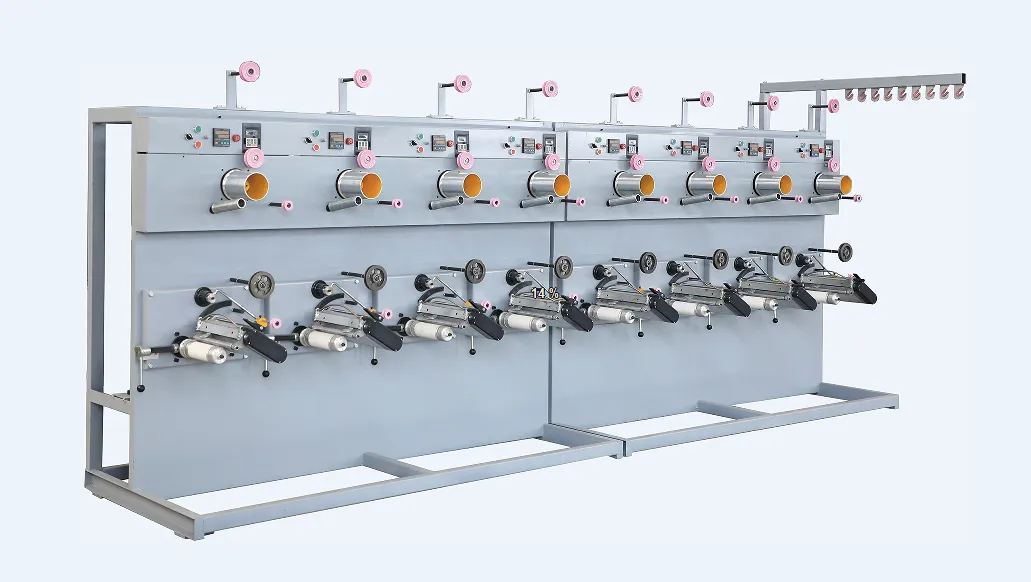
Core Artificial Grass Machinery: Fiber Production to Backing Coating
Monofilament Extrusion and Ring Twister Machines: Engineering Turf Fibers for Performance
The process of monofilament extrusion takes polymer resins and turns them into those consistent turf fibers we see on artificial grass surfaces. Modern equipment keeps the fiber thickness pretty close together, around plus or minus 5% according to some research published in the Material Engineering Journal last year. Getting these blades just right matters a lot because it affects how realistic the grass looks, how well it stands up to regular use, and even how balls roll across the surface during games. After that initial step comes ring twisting technology which bundles several individual filaments together to create stronger yarn strands. This actually makes the final product about 40% tougher than if they used just single strands alone. The combination of these two processes results in fibers that resist UV damage while staying flexible enough to handle constant walking and running without breaking down over time. Getting the melting process right and managing how things cool down properly is crucial too since improper handling can lead to fibrillation problems. Sports facilities especially need to worry about this because inconsistent surfaces aren't just an eyesore they also pose real risks to athletes playing on them day after day.
Tufting Machines: High-Speed Pile Insertion for Sports, Landscaping, and Commercial Use
Industrial tufting systems insert up to 1,200 stitches per minute into polypropylene backing, enabling efficient large-scale production. Precision needle bars adjust pile height from 10–60mm to meet application-specific needs:
- Sports fields: 30–45mm dense piles for optimal impact absorption and traction
- Landscaping: Variable-height, textured surfaces for visual realism and natural movement
- Commercial spaces: Low-profile designs (15–25mm) that minimize infill volume and simplify maintenance
Laser-guided alignment ensures ±2mm stitch deviation across 4m widths—eliminating visible seams in stadium installations and supporting intricate pattern work for decorative landscapes. Real-time servo motor control dynamically adjusts tufting density, reducing material waste by 12–18% compared to legacy mechanical systems.
Coating Systems (RAM/SBR Latex): Securing Backing Integrity and Enabling Outdoor Durability
Latex coating units apply either RAM (Reactive Acrylic Modifier) or SBR (Styrene-Butadiene Rubber) layers to anchor tufts and reinforce backing integrity. The process comprises three stages:
- Primary coating: Saturating the backing fabric to fully encapsulate stitch roots
- Secondary coating: Applying weather-resistant polymer layers for environmental resilience
- Curing: Infrared drying at 150–180°C to cross-link molecular bonds and maximize durability
SBR formulations really shine in those damp, wet climates because they resist water so well. Meanwhile RAM coatings offer better protection against UV damage in areas where the sun beats down hard all day long. When these coatings are properly cured, they boost tuft bind strength by around 300 percent according to ASTM D1335 standards. This means much less fiber gets lost when doing routine grooming or seasonal maintenance work. For antimicrobial properties, manufacturers actually mix these additives right into the coating itself. The result? Upwards of 99% fewer bacteria in humid conditions while still maintaining good flexibility at lower temperatures and holding up through freeze-thaw cycles without any issues.
Post-Installation Maintenance Equipment for Artificial Grass Longevity
Proper maintenance extends artificial grass lifespan by 5–7 years (Synthetic Turf Council 2023), making equipment selection essential. Unlike natural lawns, synthetic turf requires specialized tools that preserve structural integrity while managing debris, infill compaction, and microbial activity.
Power Brushes vs. Pressure Washers: Optimizing Grooming Without Fiber Damage
Power brushes with nylon bristles lift flattened fibers at safe, controlled speeds (±300 RPM), redistributing infill without abrasion or backing stress. In contrast, pressure washers pose risks above 1,500 PSI—including infill displacement, backing delamination, and fiber fraying. For effective cleaning:
- Use rotary brushes monthly on high-traffic sports turf
- Limit pressure washing to ±1,200 PSI no more than twice yearly
- Pair enzymatic cleaners with low-pressure rinsing for pet areas to break down organic residues safely
| Equipment | Frequency | Risk Factor | Ideal Use Case |
|---|---|---|---|
| Power Brush | Bi-weekly | Low | Daily-use playgrounds and school fields |
| Pressure Washer | Quarterly | Moderate | Targeted stain removal on commercial or municipal installations |
Leaf Blowers and Air-Based Tools: Managing Debris While Preserving Infill Stability
Leaf blowers that run at variable speeds under 160 CFM do a great job clearing away leaves, pollen, and small debris while keeping the infill depth intact. This matters a lot for how well surfaces perform and staying safe. The directional nozzles make short work of landscape turf without scattering everything around. Backpack versions come equipped with HEPA filters which help cut down on allergens, making them good choices for places where people have sensitivities. Some models feature low pressure suction systems that pick up those tiny particles from putting greens and tennis courts too. Keeping that infill level steady isn't just important it's essential really. When there's about a 30% drop in infill, injuries go up by roughly 18% according to Turf Safety Institute data from 2023. That explains why many professionals stick with air based equipment instead of going for harsher mechanical options that can damage surfaces.
Selecting the Right Artificial Grass Machinery by Application Sector
Getting the right machinery for each industry's needs makes all the difference when it comes to how well things perform, how long they last, and what it actually costs to run operations. For residential areas, people want their synthetic grass to feel soft underfoot, be safe for kids and pets, and look realistic enough that nobody notices it's fake. That's why most contractors go for monofilament extruders that can maintain tight temperature controls during production, creating those fine but strong fibers at moderate pile heights around 25 to 40 millimeters tall. Sports fields tell a different story altogether. These need turf that can take a beating while still providing good shock absorption and consistent playing conditions. Tufting machines here typically need to handle at least 1,500 stitches per minute, plus have strong latex coating systems so cleats don't damage the surface after repeated use and maintenance passes. When it comes to commercial landscaping projects covering large spaces like office parks or shopping centers, wide format automated tufters measuring between 4 to 5 meters become essential. These machines often come with built-in backing applicators that speed up production across these massive sites. Municipal installations present another challenge entirely. The coatings need to resist UV damage over time, and power brushes should be rated for handling upwards of 10,000 square feet daily during regular maintenance cycles. Golf courses especially require special attention. Putting greens need microfiber extrusion techniques combined with ring twister setups that create those super fine, tightly wound yarn strands allowing for extremely short pile heights below 15mm while maintaining that perfect roll for golf balls. No matter which sector we're talking about though, picking equipment always comes down to matching it against actual usage patterns, local weather conditions, and what kind of performance will be needed years from now.
FAQ Section
What is monofilament extrusion in artificial grass production?
Monofilament extrusion is a process that transforms polymer resins into consistent turf fibers for use in artificial grass surfaces. This process ensures fiber thickness accuracy which influences the realism and performance of the grass.
Why is tufting important in manufacturing artificial grass?
Tufting is essential because it inserts dense piles into the backing. This process impacts impact absorption, traction, and overall turf durability, making the grass suitable for various applications such as sports fields, landscaping, and commercial use.
How do coating systems enhance artificial grass durability?
Coating systems like RAM and SBR Latex are crucial in anchoring tufts and reinforcing backing integrity. They provide weather resistance, UV protection, and enhance tuft bind strength, thus extending the grass's lifespan.
What maintenance equipment is suitable for artificial grass longevity?
Power brushes are ideal for maintaining artificial grass by lifting fibers safely while pressure washers should be used cautiously to avoid damage. Leaf blowers and air-based tools are recommended for debris management while preserving infill stability.