
 EN
EN



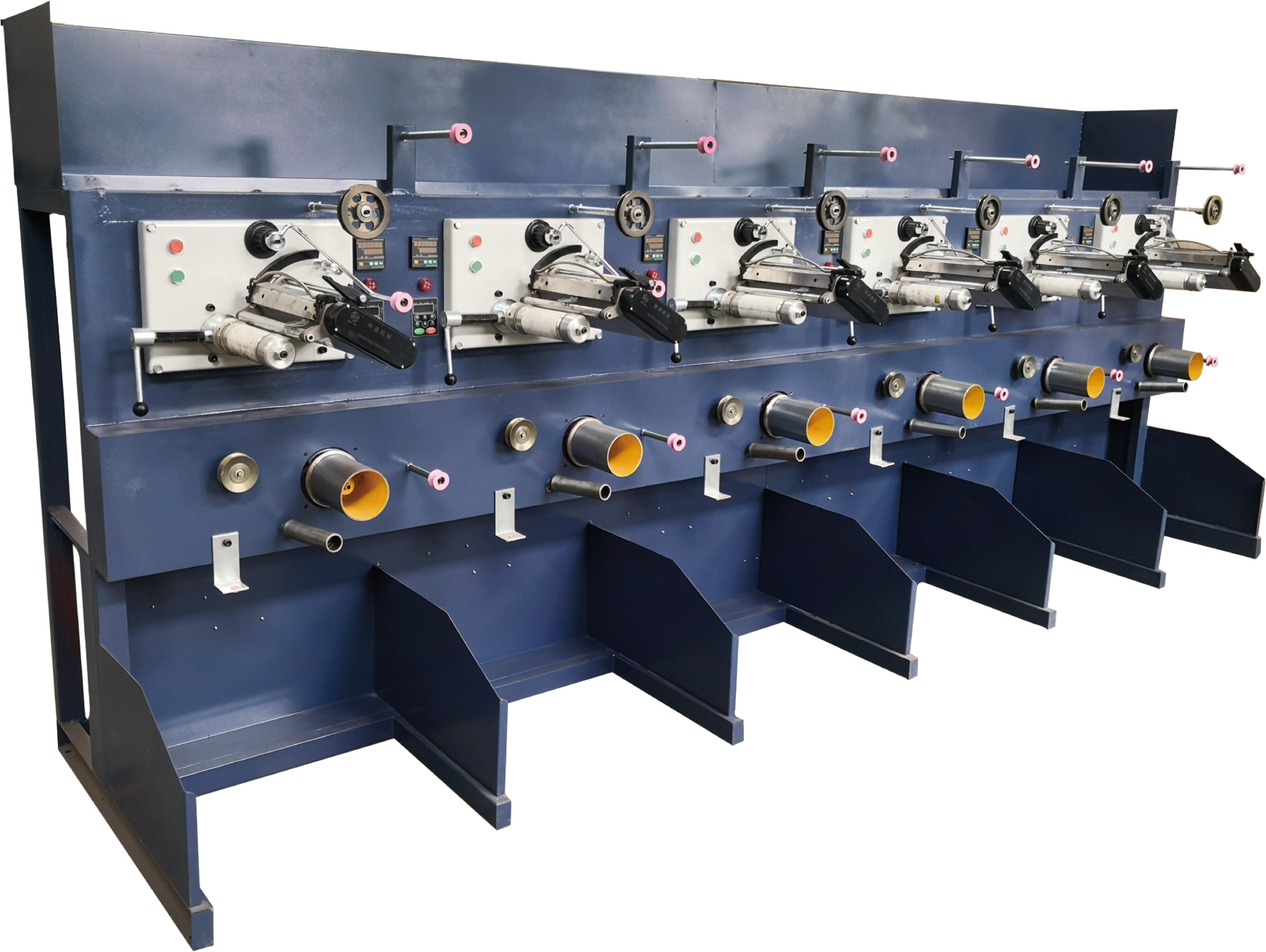
Extending Turf Lifespan with Precision Artificial Grass Machinery
How Automated Grooming and Infill Redistribution Prevent Premature Degradation
Artificial grass machines with precision engineering help fight against early breakdowns by combining automated grooming with smart infill distribution. The robotic brush system keeps grass fibers aligned properly, which stops those annoying bald spots and flat areas from forming over time. At the same time, the infill system moves around the tiny granules constantly so no one area gets too packed down and becomes dangerous for players. Together these two features work wonders for maintaining good cushioning underfoot, keeping the surface grip just right for sports activities (studies show this cuts down on slipping incidents by about 40% when compared to old fashioned hand methods). Most importantly, this technology tackles problems at their source long before anyone even notices something is wrong with the field.
Real-World Impact: 37% Longer Usable Life in High-Traffic Stadiums (GKB 2023 Field Report)
Sports venue managers are seeing real benefits after switching to precision turf care systems. According to data from the latest GKB Field Report, stadiums that implemented these automated maintenance routines saw their turf last almost 37% longer even though they host well over 120 events each year. That kind of extension adds up financially too, saving roughly $740k on replacement costs for each field across ten years. What makes this work so well? Regular checks on infill depth which keeps the grass fibers properly supported, plus doing most maintenance during off hours when nobody's watching. These practices show why investing in specialized equipment pays off big time in places where the grass gets hammered day after day.
Minimizing Operational Waste Through Low-Impact Artificial Grass Machinery
Closed-Loop Cleaning Systems That Capture and Reuse Infill Particles
The latest artificial grass machines come equipped with closed loop cleaning systems designed to grab, sift, and put back infill materials like EPDM rubber, TPE granules, and silica sand during regular upkeep. When these systems work their magic, they actually cut down on how often we need to replace infill throughout the year somewhere around 30 percent less than traditional methods. What makes this really important for facility managers is that it stops those tiny particles from drifting into storm drains or getting washed into nearby waterways. This means fewer chemicals ending up in local environments plus significant savings on virgin materials over time.
Enabling Circular Economy Practices via Modular Artificial Grass Machinery
On-Site Separation of Polyethylene, PP, and Rubber Infill for Targeted Recycling
The modular systems used for artificial grass actually help support circular economy principles because they let workers separate important parts right at the site when turf needs removing or updating. These special machines can pull apart things like polyethylene fibers, polypropylene backing materials, plus whatever rubber or plastic granules were added underneath. This careful separation stops different materials from getting mixed together, so everything stays pure enough for proper recycling. When sorted properly, each material goes where it belongs: those PE fibers get turned back into brand new turf strands that perform almost as well as fresh ones (about 95% of original quality); the PP backing gets made into pellets for building projects; and old rubber bits find second lives in playgrounds or sports fields. Some real world testing has found that doing all this separation on location cuts down what ends up in landfills by nearly two thirds compared to just throwing everything away mixed together.
Alignment with EU Regulatory Targets: Supporting 92% Recyclability by 2027 (CEN/TS 17728)
The way modular machines are built for easy disassembly and specific material recovery helps facility managers hit those tough new regulations, especially the one called CEN/TS 17728 that wants 92% of turf materials recycled by 2027. These systems create cleaner material flows that actually work well in recycling loops. The polyethylene they recover passes the ISO 105-B02 test for color retention and meets EN 15330-1 requirements for tensile strength. Meanwhile, when they reuse rubber instead of buying new stuff, each sports field saves around 1.2 tons of virgin synthetic rubber production every year. Looking at it practically, choosing this kind of equipment isn't just good for checking boxes on environmental reports but makes sense for keeping operations running smoothly over time without constant supply chain headaches.
FAQ
What are precision artificial grass machines?
Precision artificial grass machines are advanced tools designed to maintain artificial turf through automated grooming and smart infill distribution, enhancing durability and performance.
How do these machines extend the lifespan of artificial turf?
They prevent premature degradation by aligning grass fibers and redistributing infill, reducing wear and tear, and ensuring consistent playing surfaces.
What are the environmental benefits of modular artificial grass machinery?
They support circular economy practices by enabling on-site separation of materials for recycling, significantly reducing landfill waste.
How does the closed-loop cleaning system work?
This system captures, sifts, and reuses infill particles, reducing the need for new materials and preventing environmental contamination.