
 EN
EN



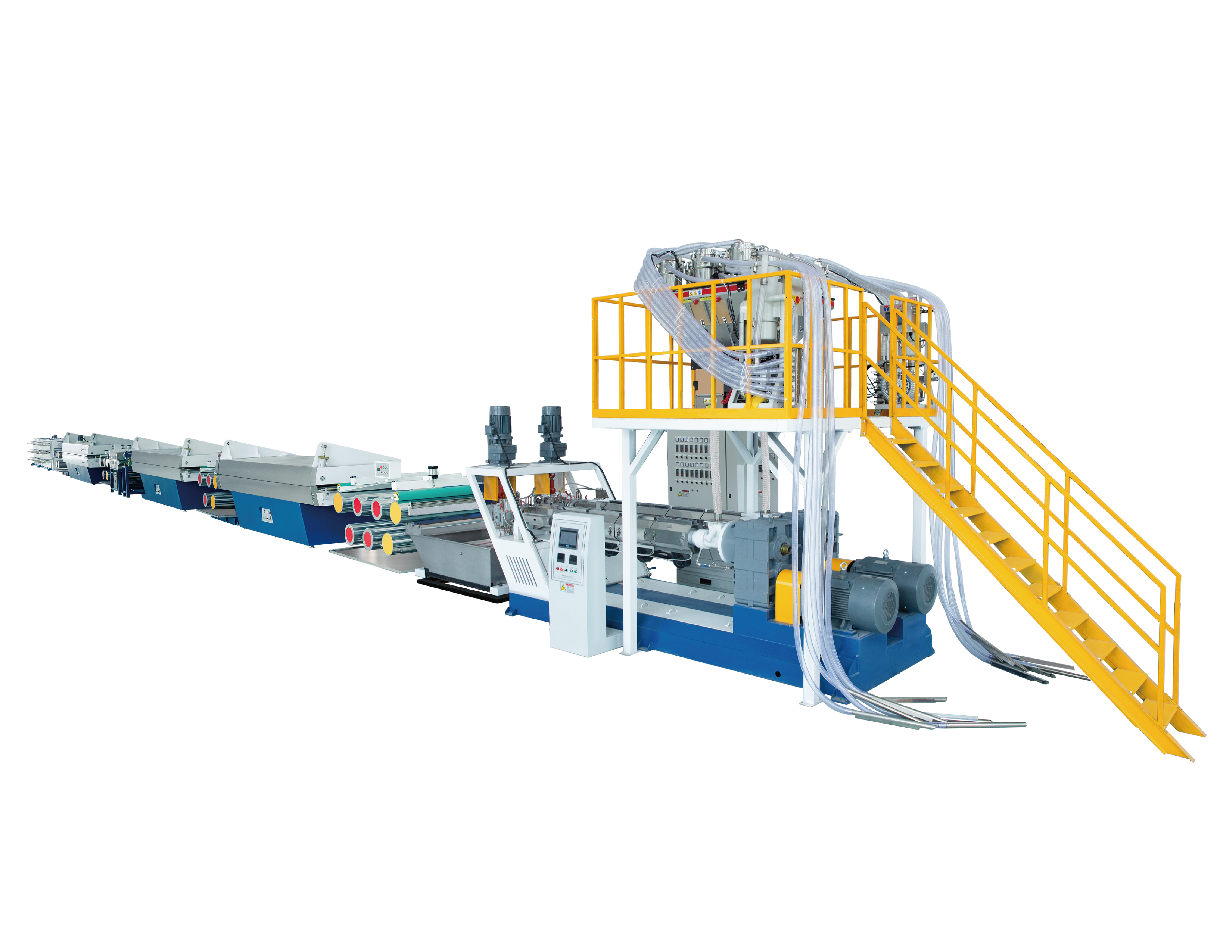
Core Extrusion Parameters Affecting Yarn Consistency and Feedability
Temperature, Screw Speed, and Melt Flow Control for Stable Denier and Surface Finish
Getting the temperature just right throughout the extrusion process is critical for proper polymer melting and avoiding quality issues. When it gets too hot, polymer chains start breaking down, which cuts tensile strength by around 30% and creates all sorts of surface problems. On the flip side, not enough heat means there are still chunks of unmelted material floating around that eventually block up the spinnerets. Finding the sweet spot with screw speed matters a lot too. Run it too fast and production goes up but the mix might not be consistent enough. Slow things down and the heat builds up, leading to breakdown of the material. How well the melted polymer flows determines the thickness consistency of the final product. The melt flow index (MFI) measurement tells us about this flow behavior. Even small changes in MFI, like plus or minus 0.5%, can actually change the yarn diameter by 8 microns, messing up the uniform look of the finished turf. Modern pressure control systems keep everything flowing smoothly within about 5 bar difference, so we don't get those sudden surges that create uneven fibers. Getting all these factors working together makes the whole manufacturing process run much better in artificial grass production lines.
Polymer Selection & Blending (PE vs. PP) for Shape Retention and Downstream Handling
Polyethylene or PE has great flexibility and stands up well against UV damage, though it tends to deform when put under stress. Polypropylene (PP), on the other hand, keeps its shape better and can handle higher temperatures. When these materials are blended together, they create a nice middle ground. A mix around 70% PE and 30% PP makes the material more resilient overall while cutting down on compression issues by about 40% compared to straight PE alone. Processing-wise, PE works best at lower temps between 180 to 220 degrees Celsius, but needs those UV stabilizers added. PP requires hotter processing temperatures ranging from 220 to 250 degrees, but comes with the benefit of being more resistant to wear and tear. Blends heavy in PE usually extrude without problems, although there is a tendency for them to stretch too much during winding operations. The PP rich versions hold their dimensions much better when stretched tight. Getting the melt viscosities right is really important because if they don't match up properly, we start seeing phase separation problems. Any mismatch over about 15% leads to unstable flows and broken yarns. Picking the right blend helps reduce those pesky tufting defects by keeping the yarns stiff enough and allowing them to bounce back after stretching.
Precision Yarn Handling in Artificial Grass Machinery
Effective yarn management directly impacts production efficiency in artificial grass machinery, with tension control and spool engineering being critical determinants of operational continuity.
Tension Management: Pneumatic vs. Servo-Driven Bobbin Winding Systems
Getting the right tension levels is really important if we want to avoid broken yarn while running those high speed tufting machines. Pneumatic systems work by using compressed air to regulate things, which makes them pretty economical to run. But there's a catch they tend to vary about 15% when conditions change quickly. That's where servo driven systems come in handy. These newer options adjust motors in real time, so tension stays much more stable within just plus or minus 3%. Tests show this actually cuts down on yarn breaks by around 22% compared to older methods. Better control means fewer problems with uneven pile heights and other defects. Plus manufacturers can handle different types of polymers without constantly stopping the machine to tweak settings manually, which saves both time and money in production runs.
Spool Design, Surface Quality, and Unwinding Geometry for Reliable Feeding
The shape of spools really affects how stable the yarn release is when running through machinery. Ceramic coated cylindrical cores cut down on friction wear by around 40% compared to regular metal ones, which means less damage to the fibers over time. Tapered edges at the ends help stop those annoying snags that happen at the material's edge points. Getting the unwinding angle right matters too - somewhere between 45 and 60 degrees seems to work best for keeping tension steady across different materials. Some manufacturers also design their spools asymmetrically to handle the way things spin when slowing down after high speeds. When paired with coatings that resist moisture absorption, all these design choices fight off static electricity buildup that causes tangles and knots. This combination keeps production moving smoothly even during long shifts without constant adjustments or downtime for fixing messes.
Measuring and Mitigating Yarn Breakage in Artificial Grass Production
Breakage Rate Thresholds and Direct Impact on Tufting Defects and Machine Downtime
When yarn breakage goes beyond those standard thresholds of around 2 to 3 breaks per 1,000 meters, problems start showing up in the tufting process. We see things like bald spots appearing on the surface, uneven pile heights across different sections, and overall instability in the dimensions of the artificial grass produced. The numbers don't lie either – industry data shows that each 1% rise in breakage rate translates into roughly 15 to 25% more downtime for machines needing rethreading and adjustments to tension settings. Smart monitoring systems that track yarn tension during both extrusion and tufting phases can spot these fracture issues early on, often pointing to problems with excessive ballooning effects or poor quality polymer mixtures. Keeping breakage rates within acceptable limits cuts down on wasted materials by about 18%, which is significant when considering the cost implications. And if someone wants to dive deeper into this topic, there's plenty of recent research from textile engineers exploring various sensor technologies designed specifically for these fast paced manufacturing setups.
Leveraging Digital Tools to Diagnose and Optimize Yarn Feeding Performance
Real-Time Feed Rate Monitoring and Bottleneck Detection via Digital Twin Integration
When digital twins get integrated into artificial grass manufacturing equipment, they allow for constant tracking of how fast yarn is being fed and spot bottlenecks right away. These virtual models look at all sorts of sensor info to catch issues like tension changes or weird unwinding patterns long before anything actually breaks. Most plants set it up so operators get warning messages as soon as things start going outside normal ranges, usually around 5% off standard measurements. This means workers can tweak settings on the fly rather than waiting until something stops working completely. Looking ahead, these systems simulate what happens to materials throughout both extrusion and tufting processes, which helps foresee where jams might happen in those tricky spool transitions or along polymer feed lines. Plants that have adopted this approach report cutting down unexpected shutdowns by roughly 25-30%, plus they keep product quality consistent between batches. An added bonus is better energy management since the system matches screw speed adjustments with actual melt viscosity readings from the production floor.
FAQs: Yarn Consistency in Artificial Grass Production
What is the role of temperature in yarn extrusion?
Temperature plays a crucial role in polymer melting. Too high temperatures can degrade the polymer, reducing tensile strength and causing surface defects, while too low temperatures can lead to unmelted chunks obstructing spinnerets.
Why is polymer selection important in artificial grass production?
Polymer selection, specifically blending PE and PP, is important because it determines the yarn's flexibility, resistance to UV damage, and its ability to maintain shape under stress.
How can digital tools optimize yarn feeding?
Digital tools like digital twin integration help track feed rates and detect bottlenecks, allowing for real-time adjustments and reducing unexpected machine shutdowns.
Table of Contents
- Core Extrusion Parameters Affecting Yarn Consistency and Feedability
- Precision Yarn Handling in Artificial Grass Machinery
- Measuring and Mitigating Yarn Breakage in Artificial Grass Production
- Leveraging Digital Tools to Diagnose and Optimize Yarn Feeding Performance
- FAQs: Yarn Consistency in Artificial Grass Production