
 EN
EN



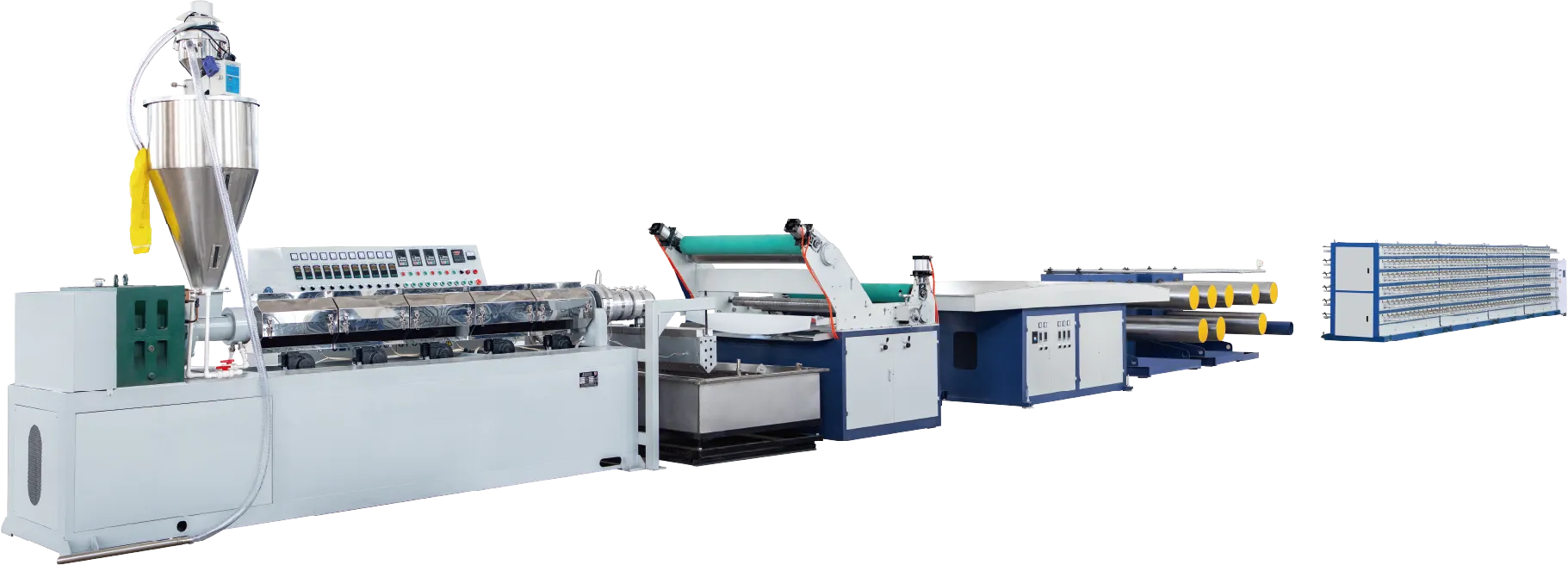
Optimizing the Plastic Flat Film Drawing Machine for Energy Efficiency
Thermal Management Innovations in Drawing Zones
Getting the temperature right in those film drawing areas makes a big difference for both how much energy gets used and whether the material comes out consistent. The newer setups have these fancy ceramic fiber insulations that cut down on heat loss about 40% better than what was used before. Plus they keep things at a steady temperature even when heaters are running about 15% less intense. There are these automatic control systems now that work with infrared sensors to tweak the heating as needed, so there aren't those sudden jumps in energy usage when conditions change. Some plants actually recover between 32 to 45 percent of wasted heat from their exhaust systems. This recovered heat goes back into warming up the polymer pellets coming in, which means less need for main energy sources. All these improvements together mean lower costs per unit produced, plus the films come out with consistent thickness and strength across the board. Less material ends up being thrown away this way, and product quality stays good too.
Variable-Frequency Drive Integration for Real-Time Load Matching
Adding Variable Frequency Drives (VFDs) allows factories to adjust motor speeds according to what the machines actually need at any given moment. Traditional fixed speed motors basically throw away between 30 and 60 percent extra energy when they're not running at full capacity. VFD technology instead adjusts power delivery based on how much force is needed right then. For companies working with extrusion drawing processes, these drives typically cut down on motor electricity use somewhere around 18 to 22 percent. Across different parts of the production line including drawing rollers and pumps, VFD systems work hand in hand with sensors to keep film tension just right while reducing wasted power during downtime by about 19 percent. And there's another bonus too: getting rid of those pesky hydraulic throttling losses adds another 12 to 15 percent improvement overall without having to mess with existing equipment or change established procedures.
Smart Automation to Sustain Energy Savings on Plastic Flat Film Lines
When it comes to saving energy, AI automation really shines because it keeps tweaking tension settings and temperature control no matter what's happening on the production floor. These smart systems look at all sorts of live data points like how thick the material is getting, what the air feels like around the machinery, and how fast things are moving along the line. Based on this information, they constantly fine tune roller pressure and heat zones. What happens? Well, machines don't get over tightened which would wear out motors faster, and temperatures stay within safe ranges so heaters don't have to work overtime. Some actual tests done by outside experts show these kinds of systems cut down on wasted power when machines aren't actively working by about 19 percent. That translates to roughly seven hundred forty thousand dollars saved each year just for average sized plants. Another big plus is that AI doesn't miss a beat during those tricky moments when lines start up again after shutdowns or when switching between different product grades something traditional controls struggle with. Plus, these systems can spot potential problems long before anything breaks down completely, which means fewer unexpected stoppages and saves money that would otherwise be spent fixing emergencies.
FAQ
Q1: What are the energy savings benefits of integrating Variable Frequency Drives (VFDs)?
A1: VFDs allow factories to adjust motor speeds according to actual needs, reducing motor electricity use by 18-22% and cutting wasted power during downtime by about 19%.
Q2: How do modern plastic flat film drawing machines recover heat?
A2: They use exhaust air reclamation and melt stream thermal transfer methods, achieving 32-45% heat recovery efficiency and repurposing it for pre-heating incoming polymer pellets and supplementing facility heating.
Q3: What role does AI play in the energy efficiency of plastic flat film lines?
A3: AI automation optimizes tension settings and temperature control, reducing power waste by about 19% and preventing unexpected stoppages, thereby saving operational costs.