
 EN
EN



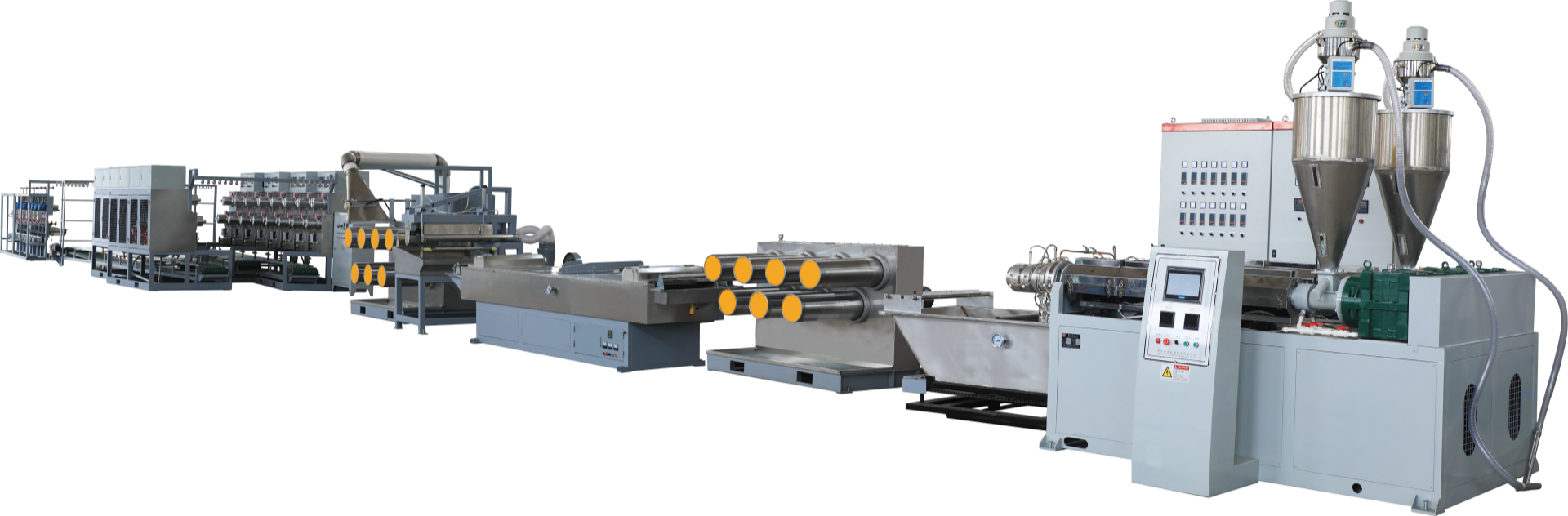
Motor Tripping and Startup Failures in Plastic Recycling Granulation Units
Operators encountering unexpected motor shutdowns during startup or operation should first verify power supply integrity and inspect for visible damage to wiring or connections. Listen for unusual noises like grinding or humming, which often precede failure. Check thermal overload relays for tripping and verify control panel indicators for error codes. Immediate diagnostics must include measuring voltage phases for imbalances exceeding 5% and conducting insulation resistance tests (minimum 1MΩ per IEEE 43-2013 standards). These preliminary assessments isolate electrical faults from mechanical issues before deeper investigation.
Symptoms and Immediate Diagnostic Checks
When a plastic recycling granulation unit experiences motor tripping, technicians should systematically eliminate common triggers. Begin by confirming incoming voltage stability (±10% of rated voltage) using a multimeter. Inspect motor windings for thermal discoloration indicating overheating events. Verify belt tension—deflection exceeding 25mm per 300mm span often causes slippage-induced overloads. Crucially, test ground fault protection systems, as undetected leakage currents account for 23% of premature trips according to industrial safety audits conducted by the National Fire Protection Association (NFPA 70E). Document ambient temperature; operations above 40°C reduce motor derating capacity by 15%, increasing trip likelihood.
Root Causes: Electrical Overload, Control Panel Faults, and Sensor Misalignment
Electrical overloads frequently stem from mechanical resistance rather than motor defects. Contaminated lubricant increasing friction by 18% can trigger overload protection. Control panel failures often involve relay contact degradation—pitted contacts increase resistance, causing voltage drops that mimic overload conditions. Sensor misalignment manifests as false rotor position signals, particularly in vector-controlled drives. For example, a 0.5mm Hall effect sensor displacement can generate 32% torque error readings, prompting unnecessary shutdowns. Vibration analysis often reveals bearing wear patterns before catastrophic failure, with 75% of motor issues showing abnormal vibration signatures per ISO 10816-3.
Case Insight: Resolving Recurrent Motor Tripping in HDPE Film Recycling Granulation Units
A recycling facility processing post-industrial HDPE film experienced daily motor trips despite component replacements. Vibration analysis revealed 4.2mm/sec RMS vibration at drive end—exceeding ISO 10816-3 Grade II limits. Investigation identified two root causes: aerodynamic imbalance from film wrapping on rotor fins (creating 15g unbalance), and misaligned motor coupling (0.3mm parallel offset). Corrective actions included installing air-knife material stripping at input and laser-aligning the coupling to <0.05mm tolerance. Resulting vibration reduced to 1.8mm/sec RMS, eliminating trips and increasing throughput by 22%. This highlights how material-specific behaviors necessitate tailored diagnostics in granulation systems.
Reduced Output and Throughput Loss in Plastic Recycling Granulation Units
Identifying Feed Flow Disruptions and Mechanical Bottlenecks
A plastic recycling granulation unit experiencing reduced output often faces feed flow disruptions and mechanical bottlenecks. Symptoms include inconsistent material delivery, irregular motor load, or sudden drops in throughput. Begin diagnostics by inspecting the feed hopper for bridging or jamming—contaminated or oversized flakes commonly cause blockages. Next, examine the conveying system for air leaks or belt misalignment that starves the granulator. Mechanical resistance from worn rotor bearings or damaged coupling parts can also sap rotational energy. Listen for abnormal knocking or squealing, which indicates a bottleneck downstream. Comparing actual against rated throughput per hour quickly reveals the severity of the loss. Systematic checks in this sequence pinpoint the disruption source, preventing unnecessary part replacements.
Critical Failure Points: Hopper Blockages, Rotor Coupling Wear, and Drive Belt Slippage
Three failure points account for most throughput losses in granulation units. First, hopper blockages arise when sticky materials—such as film or label adhesives—bridge across the throat. Manual clearing or installing an agitator arm often resolves this. Second, rotor coupling wear creates rotational play, reducing the torque transmitted to the cutting knives. Visual inspection of the coupling’s elastomeric insert or metal keyway reveals elongation or cracking. Third, drive belt slippage occurs when belts stretch or become glazed, causing speed fluctuations and lower knife-tip velocity. Tensioning to manufacturer specifications restores grip. Addressing these three components during routine maintenance prevents drift and maintains yield above 90% of design capacity. Plant layout should support accessibility—coupling and belt guards that hinder inspection should be redesigned for quick, safe access.
Inconsistent Granule Size and Excessive Vibration in Plastic Recycling Granulation Units
Knife Maintenance Essentials: Sharpness, Gapping Accuracy, and Dynamic Balancing
Dull cutting knives force granulators to smash material rather than cleanly shear it, causing irregular particle sizes and increased vibration. Proper knife sharpness—measured by edge retention over 300 operating hours—ensures efficient cutting action. Equally critical is maintaining precise knife-to-bedplate gapping, typically 0.1–0.3mm for most plastics, verified using feeler gauges during monthly maintenance. Dynamic balancing of the rotor assembly prevents harmonic vibrations; imbalances exceeding 0.5g/mm can accelerate bearing wear by 70%, per reliability data from the Society of Maintenance & Reliability Professionals (SMRP). Operators should conduct quarterly vibration analysis using portable meters to detect early imbalance signs before motor damage occurs.
Screen Selection, Wear Assessment, and Its Impact on Particle Uniformity
Screen hole diameter directly determines granule size tolerance (±0.8mm variance indicates optimal performance), yet improper selection causes 38% of size inconsistency cases. For polyolefins, 10–12mm screens balance throughput and particle uniformity, while PET requires 8–10mm for crystalline fragmentation. Monthly wear inspection should target screen edge deformation—a 15% increase in hole diameter from wear necessitates replacement to prevent oversized flakes. Note that vibrating screens produce elongated granules; torque-test mounting bolts to manufacturer specifications during installation. Contaminated material accelerates screen abrasion; install upstream metal detection to extend screen life by 200 operational hours.
Overheating and Material-Induced Stress in Plastic Recycling Granulation Units
Thermal Runaway Triggers: PET Flake Heat Sensitivity and Film Wrapping
PET flakes have a narrow processing temperature window. Even slight overheating triggers rapid chain scission, releasing heat and accelerating degradation. This thermal runaway often starts when feed moisture content exceeds 0.02%, as water turns to steam and creates hot spots inside the extruder barrel. Film wrapping—when soft, thin material clings to the screw or screen—blocks heat transfer and traps localized heat. The trapped heat further degrades the polymer, forming gels and carbon deposits. Together, moisture spikes and film wrapping create a self-reinforcing cycle that spikes melt temperature by 15–30 °C within seconds. Operators must monitor moisture levels and use an infrared thermometer at the die face to catch early signs.
Contributing Factors: Contamination, Inadequate Lubrication, and Ambient Cooling Deficiencies
Contaminants such as paper labels, metal shards, or adhesive residues increase friction inside the granulation unit. Higher friction raises shear heat, pushing melt temperature past safe limits. Inadequate lubrication in gearboxes and bearings forces the motor to draw more current, which eventually heats the entire drive train. Ambient cooling deficiencies—like blocked air vents or a hot workshop—prevent the barrel and hydraulic oil from shedding heat. In one case study, a plant in July saw barrel temperatures climb 12 °C above setpoint simply because the extraction fan failed. Regular cleaning of air intake filters and scheduled lubrication checks, combined with real-time thermal monitoring, break these failure chains and keep granulation stable.
FAQ
Why does my plastic recycling granulation unit keep shutting down?
Unexpected shutdowns can result from electrical faults, mechanical resistance, or sensor misalignments. Conduct diagnostics, including verifying voltage stability and testing for ground fault protection.
How can I prevent hopper blockages in my granulation unit?
Sticky materials like adhesives or films often cause blockages. Installing an agitator arm or clearing manually can resolve the issue effectively.
What causes irregular granule sizes?
Dull knives, improper gapping, or screen wear can lead to inconsistent particle sizes. Regular maintenance of these components ensures uniform granulation.
How do I address overheating in my granulation system?
Overheating can be caused by contaminants, inadequate lubrication, or poor cooling. Cleaning filters, monitoring thermal performance, and reducing contamination are effective solutions.
What maintenance practices reduce throughput losses in recycling granulation units?
Inspecting for rotor coupling wear, drive belt slippage, and hopper blockages during routine checks can maintain throughput above 90% of design capacity.
Table of Contents
- Motor Tripping and Startup Failures in Plastic Recycling Granulation Units
- Reduced Output and Throughput Loss in Plastic Recycling Granulation Units
- Inconsistent Granule Size and Excessive Vibration in Plastic Recycling Granulation Units
- Overheating and Material-Induced Stress in Plastic Recycling Granulation Units
-
FAQ
- Why does my plastic recycling granulation unit keep shutting down?
- How can I prevent hopper blockages in my granulation unit?
- What causes irregular granule sizes?
- How do I address overheating in my granulation system?
- What maintenance practices reduce throughput losses in recycling granulation units?