
 EN
EN



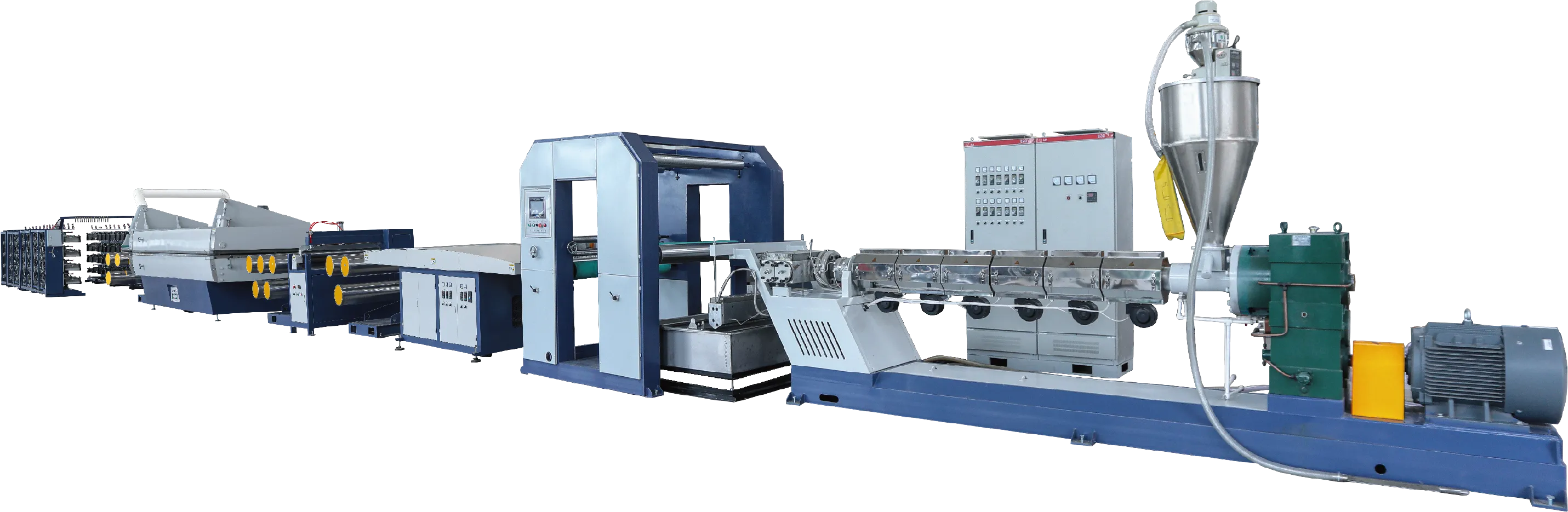
Why Artificial Grass Machinery Requires Specialized Maintenance
The machines used for artificial grass need different care compared to regular landscaping gear because they work directly on synthetic turf fibers and infill layers. Using standard maintenance techniques can actually harm the playing surface if brush pressure is off or infill gets displaced incorrectly, which speeds up wear and tear. There are three main issues that specialized maintenance tackles: keeping the grass fibers aligned properly so they don't flatten out, making sure the infill stays at the right depth for safety and proper drainage, and protecting the backing material from getting worn down by rough mechanical action. Facilities that skip proper maintenance often see their turf degrade up to twice as fast as it should, leading to expensive replacements much sooner than expected. Getting the settings right matters too. Power brushes must be adjusted precisely to lift the fibers without causing damage, and vacuum systems need just enough suction to clean without pulling away the infill. When these details get overlooked, not only does the turf perform worse in terms of impact protection, but the machines themselves start breaking down faster over time.
Core Daily and Weekly Maintenance Tasks for Artificial Grass Machinery
Implementing consistent maintenance routines preserves artificial grass machinery performance and prevents premature wear. Daily protocols prioritize surface integrity, while weekly tasks address internal mechanisms.
Power brushing to prevent fiber matting and restore upright pile
Regular power brushing helps fight off fiber compression that happens from all that walking around and bad weather taking its toll. Get those rotary brushes going with stiff nylon bristles pointed against the grass growth direction to really get those flattened blades standing up again. The process also moves around the infill stuff and brings back some springiness to the turf surface. Maintenance crews have noticed blades last about 30 percent longer if they do this brushing early morning before everyone starts coming out for their usual activities. Don't forget to switch up the brushing pattern sometimes - go diagonal one day, straight vertical another - so we don't end up creating those annoying matting lines across the field.
Debris removal and filter cleaning to ensure consistent airflow and brush performance
Clear organic debris daily using vacuums with HEPA filters to prevent microbial growth in synthetic turf layers. Weekly filter maintenance prevents airflow blockages that reduce suction efficiency by up to 40%. Follow this 3-step process:
- Shake out loose particles from primary intake filters
- Rinse mesh screens with low-pressure water
-
Inspect brush compartments for tangled fibers
Clog-free systems maintain optimal contact pressure between brushes and turf surfaces throughout cleaning cycles.
Infill Management: Calibrating and Operating Machinery for Optimal Distribution
Getting artificial grass machinery properly calibrated matters a lot when it comes to spreading infill evenly across the field, which directly affects how well the turf performs and lasts over time. The people running these machines need to tweak things like brush height, vibration settings, and spreader adjustments depending on what kind of turf they're working with and the type of infill being used. If they don't get this right, problems like compacted areas or bumpy spots can develop. Some research in the industry indicates that fields where infill isn't distributed consistently tend to wear out about 30% faster than they should because fibers break down quicker and water drainage becomes problematic.
Proper technique involves:
- Gradual layering: Distributing infill in multiple passes to avoid displacement
- Moisture monitoring: Adjusting application rates in humid conditions to prevent clumping
- Post-application brushing: Using power brushes at °15° angles to settle material without damaging fibers
Neglecting these steps risks creating unstable playing surfaces and increases long-term maintenance costs by 40–60%. Training operators to interpret turf feedback—like rebound consistency and infill migration patterns—ensures machinery adapts to seasonal variations. This proactive approach maintains field safety while extending replacement intervals beyond 8 years.
Scheduled Maintenance Cycles: Aligning Artificial Grass Machinery Use with Seasonal Demands
Seasonal maintenance cycles are critical for maximizing the lifespan and performance of artificial grass machinery. Unlike reactive repairs, scheduled interventions prevent costly breakdowns during peak usage periods. A structured three-phase approach—aligning tasks with seasonal demand fluctuations—ensures consistent reliability:
Pre-season calibration, mid-season inspection, and post-season deep service
- Pre-season calibration (spring): Verify brush height, infill spreader settings, and power unit diagnostics before high-traffic summer months. This prevents uneven wear and suboptimal grooming during periods of intense field activity.
- Mid-season inspection (summer): Conduct bi-weekly checks of hydraulic lines, electrical connections, and brush wear. Early detection of issues like frayed belts or minor leaks avoids operational interruptions.
- Post-season deep service (autumn/winter): After seasonal use, perform comprehensive cleaning, lubrication, and component replacement. This includes motor servicing, debris removal from internal compartments, and structural integrity assessments to prepare for storage.
Facilities implementing disciplined seasonal cycles report 30% longer equipment lifespans and reduce emergency repair costs by up to 45%. This proactive rhythm ensures machinery readiness when demand surges, protecting turf quality year-round.
FAQ Section
Why does artificial grass machinery require specialized maintenance?
Artificial grass machinery requires specialized maintenance to handle synthetic turf fibers and infill layers without causing damage. Proper maintenance helps in aligning grass fibers, maintaining infill depth, and protecting the backing material, thereby extending the turf's lifespan.
What are the core maintenance tasks for artificial grass machinery?
Core maintenance tasks include power brushing to prevent fiber matting, debris removal, filter cleaning for efficient vacuum performance, and proper infill management. These tasks help maintain a consistent and reliable playing surface.
How should infill be managed for optimal performance?
Infill should be distributed evenly using gradual layering techniques to avoid displacement. Techniques such as moisture monitoring and post-application brushing ensure infill stays in place, enhancing field performance and durability.
What is the importance of scheduled maintenance cycles?
Scheduled maintenance cycles align machinery tasks with seasonal demands, preventing costly breakdowns during peak periods. This includes pre-season calibration, mid-season inspection, and post-season deep servicing, contributing to longer equipment life and reduced repair costs.
Table of Contents
- Why Artificial Grass Machinery Requires Specialized Maintenance
- Core Daily and Weekly Maintenance Tasks for Artificial Grass Machinery
- Infill Management: Calibrating and Operating Machinery for Optimal Distribution
- Scheduled Maintenance Cycles: Aligning Artificial Grass Machinery Use with Seasonal Demands
- FAQ Section