
 EN
EN



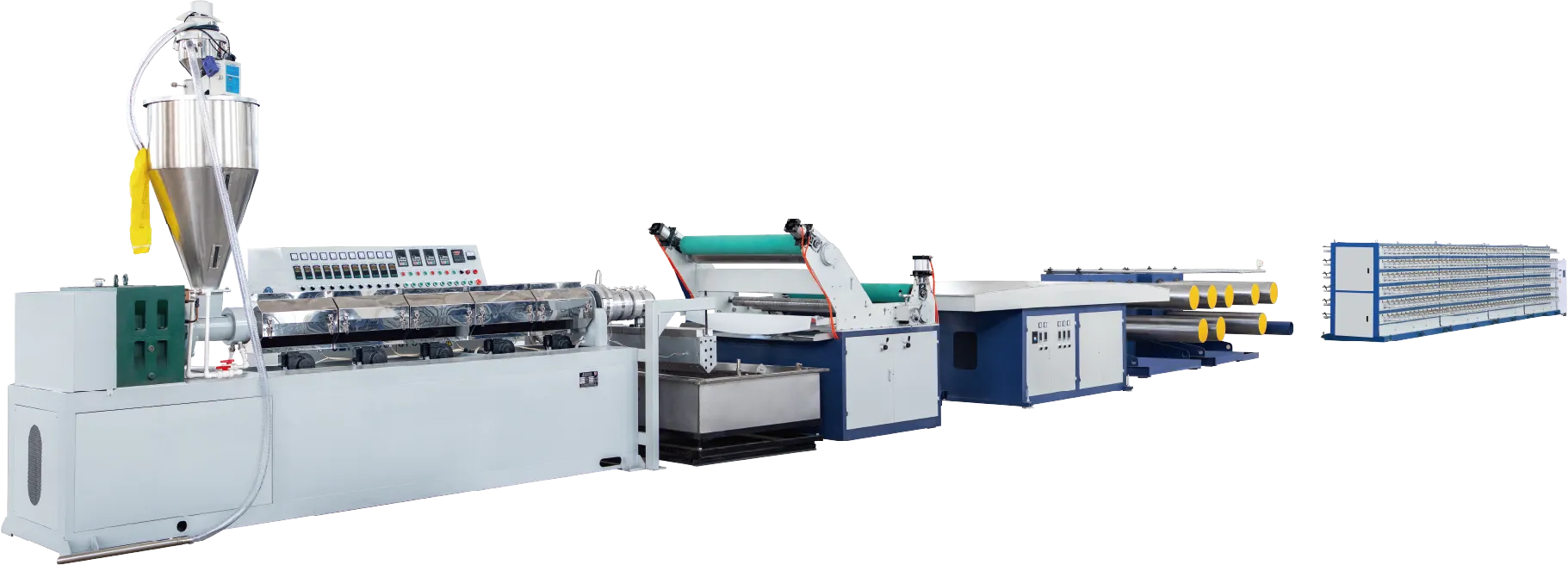
Precision Control: Achieving Sub-2mm Surface Consistency in Artificial Grass Machinery
Laser-Guided Grading Systems for Real-Time Topography Correction
Laser guided grading systems can spot tiny surface changes down to 0.1mm while installing turf, which makes them adjust blades automatically to keep things level. These systems shoot out laser planes all over the worksite and check how the real ground matches up with digital plans at around 200 checks every second. They catch problems early before anyone notices anything wrong. If something goes outside acceptable limits, special hydraulics kick in and move the grading tools right away, keeping surfaces within about 1.5mm flatness. Such accuracy is what FIFA looks for when certifying fields for proper drainage and player safety. Contractors report finishing projects roughly 35% faster than traditional methods, plus there's less need to fix mistakes later on because of uneven settling issues that used to plague older techniques.
Electro-Hydraulic Actuation with Microsecond Response for Dynamic Blade Positioning
Blade positioning gets really accurate with electro-hydraulic actuation systems, hitting around ±0.05mm precision thanks to those pressure compensated valves working in fractions of a millisecond. The system keeps checking on things like how thick the hydraulic fluid is and what temperature it runs at, doing this check over 50 thousand times every single second. Then it adjusts the flow as needed when there are obstacles below the surface or changes in material density. When these issues pop up, the actuators actually change both tilt angle and cutting depth in just half a millisecond flat, which is quicker than our brains can react. That means the fibers stay evenly cut across the whole surface area even while moving at speeds up to 12 kilometers per hour. No more patchy wear spots either, so synthetic turf lasts much longer especially in areas where people constantly walk or play sports.
Intelligent Synchronization: Coordinating Key Parameters Across Artificial Grass Machinery
Closed-Loop Coupling of Cutter Speed, Ground Speed, and Downward Pressure
Getting artificial grass installed right depends heavily on keeping control over three main factors during the process: how fast the cutter rotates, how quickly it moves across the surface, and the amount of pressure applied to the blades. Modern systems use sensors all around the worksite to check things like how dense the turf material is and what's going on below the surface. These sensors send their findings to computer brains that then tweak hydraulic parts almost instantly. This kind of back-and-forth communication between components stops problems like torn fibers or uneven pile heights, which matters a lot when working with tough synthetic materials. When the machine spots areas where the infill has gotten packed down too much, it will slow down about 15 percent and push harder against the ground by adding roughly 20 pounds per square inch extra force. The cutting stays super consistent at plus or minus just 0.3 millimeters deep throughout. Manufacturers report seeing output jump by around 40 percent overall while blades last significantly longer too, cutting wear down by nearly a quarter according to tests run by groups representing turf makers across the industry.
GNSS-Enabled Path Repeatability for Uniform Infill Distribution and Fiber Uprightness
Equipment equipped with dual frequency GNSS receivers tracks positions every tenth of a second, which allows for extremely accurate path copying during repeated installations. The system's spatial precision makes sure that when filling materials get spread out and brushes move back and forth, everything stays pretty much even across the whole area, usually within about 3 percent difference. At the same time, those GPS guided brushes keep their angle just right between thirty five and forty degrees so they can properly grab hold of synthetic fibers and straighten them out. We've actually tested this stuff on fields all over the place, and what we found is pretty impressive. The fibers stand up straighter around sixty percent better compared to old school manual techniques. That means smoother surfaces for players, balls roll truer, and the whole field lasts longer before needing repairs. Plus, setting boundary limits through geofencing cuts down on wasted materials while still making sure every inch gets covered properly.
Measurable ROI: Performance Gains Validated Through Industry Benchmarking
Operators measure their success through standard key performance indicators like cost per square meter produced, how accurately fibers get placed during manufacturing, and how often they have to fix mistakes. These metrics get compared against what other companies in turf manufacturing groups are achieving. Independent evaluations show that when manufacturers incorporate laser guided corrections, systems that adjust parameters automatically, and GPS based positioning technology, they typically see around 15 to 20 percent better output rates and cut down on wasted materials by roughly 8 to 12 percent compared to older equipment. What matters most is that these improvements translate directly into real money savings for businesses. Less rework means fewer workers needed for fixes, longer lasting blades save money on replacements, and better precision reduces the number of products that end up needing repairs under warranty. All these numbers create clear financial stories that executives can understand and act upon, backed by objective data that isn't skewed by competition.
FAQs
What is the significance of laser-guided grading in artificial grass installation?
Laser-guided grading ensures precision in turf installation by detecting subtle surface changes, enabling automatic blade adjustment, which maintains surface flatness and improves completion time compared to traditional methods.
How does electro-hydraulic actuation enhance blade positioning accuracy?
Electro-hydraulic actuation systems achieve ±0.05mm precision by instantly adjusting to obstacles or density changes, ensuring even fiber cutting and longer turf lifespan.
What factors do modern systems synchronize to improve artificial grass installation?
Modern systems synchronize cutter speed, ground speed, and downward pressure using sensors, enhancing installation accuracy and reducing fiber damage.
How do GNSS-enabled systems contribute to infill distribution?
GNSS-enabled systems ensure accurate repeatability in installation paths, achieving uniform infill distribution and enhanced fiber uprightness.
What are the financial benefits of using advanced artificial grass machinery?
Advanced machinery reduces rework, extends blade life, and improves precision, leading to direct cost savings and increased operational efficiency.
Table of Contents
- Precision Control: Achieving Sub-2mm Surface Consistency in Artificial Grass Machinery
- Intelligent Synchronization: Coordinating Key Parameters Across Artificial Grass Machinery
- Measurable ROI: Performance Gains Validated Through Industry Benchmarking
-
FAQs
- What is the significance of laser-guided grading in artificial grass installation?
- How does electro-hydraulic actuation enhance blade positioning accuracy?
- What factors do modern systems synchronize to improve artificial grass installation?
- How do GNSS-enabled systems contribute to infill distribution?
- What are the financial benefits of using advanced artificial grass machinery?