
 EN
EN


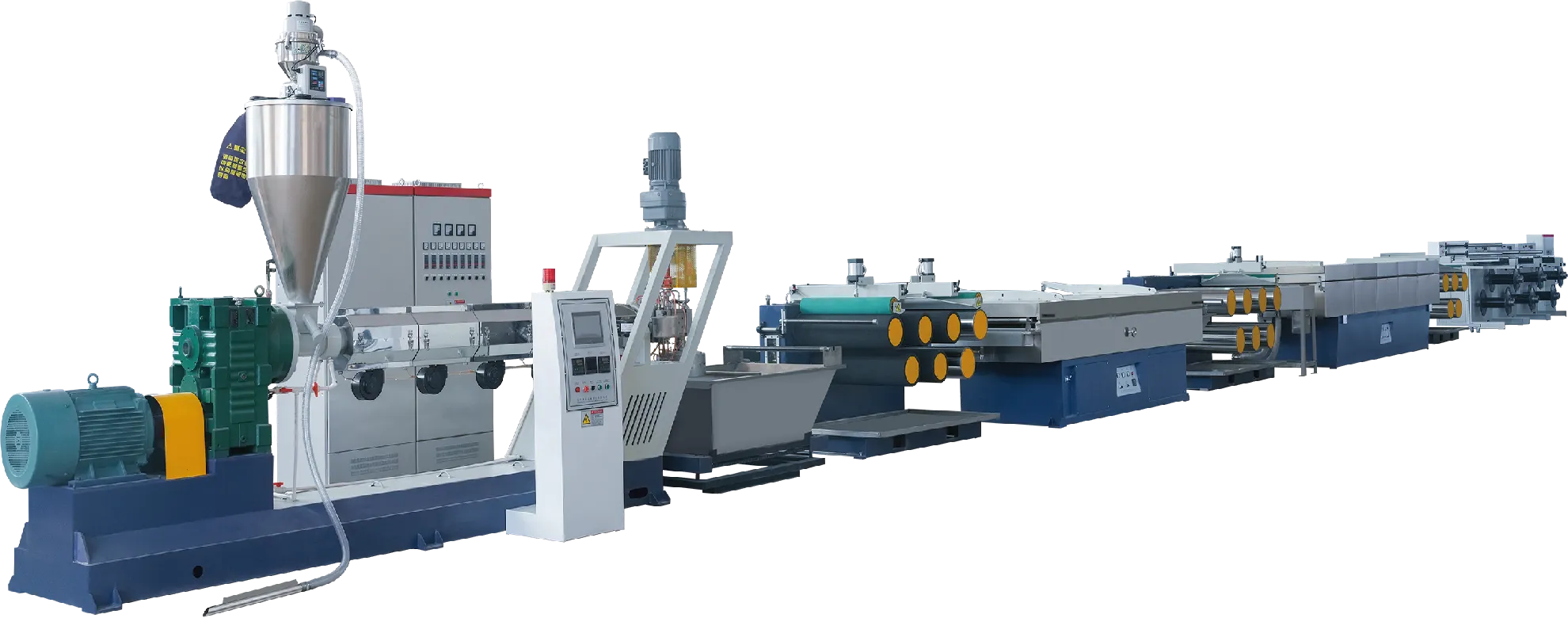
Optimizing Plastic Recycling Granulation Unit Operation
Achieving consistent output from a plastic recycling granulation unit requires a methodical approach to process control. Operators must balance mechanical settings with material characteristics to maintain throughput and granule quality while minimizing energy waste.
Key Process Parameters: Temperature, RPM, Feed Rate, and Moisture Control
Temperature management is vital because friction from the cutting chamber can overheat the polymer. For polypropylene, the barrel zone should stay between 180–200 °C to avoid thermal degradation (Plastics Processing Handbook 2022). Rotor speed directly influences shear and particle size; a range of 500–700 rpm yields uniform 6 mm granules for most rigid plastics. Feed rate must match the motor’s capacity — overfeeding causes erratic load, while underfeeding reduces output. Moisture content above 0.15 % leads to hydrolysis and voids; pre-drying with hot-air hoppers is standard when reclaiming washed post-consumer flakes.
Best Practices for Stable Feeding and Energy-Efficient Operation
Stable feeding starts with a metered supply—typically using vibratory feeders or nip rolls—to regulate material flow. Maintaining sharp blades and the correct rotor-to-bed knife gap (0.2–0.5 mm) reduces friction, cutting power draw by up to 12 % (Energy Efficiency in Plastics 2021). A variable-frequency drive allows the motor to scale speed with demand, improving efficiency during lower throughput. Routine screen inspection prevents back-pressure that forces the motor to work harder—keeping operation near its design efficiency curve without sudden spikes.
Common Operational Issues: Overcompaction, Lump Formation, and Material Degradation
Overcompaction occurs when excessive feed force compresses material before cutting, jamming the rotor and tripping overloads—a condition that can shorten drive component life by nearly 30 % (Industrial Maintenance Review 2020). Lump formation typically signals dull blades or a screen mesh too coarse for the material, causing incomplete size reduction. Material degradation presents as yellowing or charring, often because temperature has exceeded the resin’s melt stability window. Addressing these issues promptly preserves regrind quality and ensures long-term unit reliability.
Preventive Maintenance for Long-Term Plastic Recycling Granulation Unit Reliability
A structured preventive program is vital to sustain output quality and extend the operational life of a plastic recycling granulation unit.
Blade Sharpening, Gap Calibration, and Wear Monitoring
Dull blades raise power consumption by up to 20% and generate excessive fines. Inspect knife edges every 200–300 operating hours; sharpen or replace when rounding exceeds 0.5 mm. Maintain the rotor-to-bed knife gap at 0.2–0.4 mm to ensure clean shearing and prevent overcompaction. Use laser measurements or fixed-point gauges to log wear trends and predict replacement intervals. After sharpening, verify rotor balance to avoid vibration-induced bearing wear. Consistent calibration and monitoring protect critical components and uphold granule size consistency.
Screen Inspection, Replacement Schedules, and Mesh Selection
Screens dictate final particle size and throughput. Inspect daily for cracks, elongation, or blind spots that allow oversized material to pass. Replace screens every 1,000–1,500 hours—or sooner if backpressure rises or fines increase. Match mesh size to application: 4–6 mm for injection-molding-grade regrind, 8–12 mm for coarse pre-shredding. A clean screen prevents motor overload and temperature spikes. Keep a spare set on-site for immediate swap-out, and log replacements to track screen life and optimize inventory.
Lubrication Protocols and Bearing Health Management
Proper bearing lubrication prevents sudden failures—the leading cause of unplanned stoppages. Apply manufacturer-specified grease every 500–800 hours in clean conditions; overgreasing generates heat and risks contaminant ingress past seals. Monitor bearing temperature weekly with an infrared thermometer: a rise of 10–15°C above baseline demands immediate inspection. Conduct vibration checks every 300 hours to detect early wear. Log all lubrication events and replace seals at the first sign of leakage to exclude plastic fines. These protocols extend bearing life two- to threefold, significantly reducing repair costs and downtime.
Troubleshooting and Performance Optimization of Your Plastic Recycling Granulation Unit
Diagnosing Startup Failures, Output Drops, and Granule Size Inconsistency
Startup failures often stem from tripped safety interlocks, engaged emergency stops, or electrical supply interruptions. Technicians should first verify control circuits and overload relays before deeper investigation. Unexpected output drops most commonly result from dull blades or clogged screen holes—both impairing flow and cutting efficiency. Inconsistent feeding, frequently caused by hopper bridging, further degrades throughput. Granule size variation usually indicates mismatched blade condition and screen mesh, worn rotor bearings, or imbalance. Consistent dimensions require sharp, correctly gapped blades and a properly tensioned screen—any deviation warrants immediate inspection.
Data-Driven Optimization: Power Monitoring, Blade-Screen Matching, and Predictive Maintenance Integration
Shifting from reactive fixes to proactive optimization transforms unit reliability. Real-time power monitoring reveals early signs of blade dulling or overcompaction—a gradual rise in motor amperage often signals it’s time for sharpening before output suffers. Matching blade geometry and screen hole size to the specific polymer (e.g., film vs. rigid purgings) optimizes cut quality and keeps energy use within design limits. Integrating vibration sensors and historical performance data enables predictive maintenance—allowing operators to anticipate bearing wear or rotor imbalance and schedule service during planned stops. This condition-based approach extends component life, stabilizes granule output, and minimizes unscheduled downtime. Focused attention on blade-screen harmony and electrical signatures ensures peak operational efficiency.
FAQ
Why is temperature control important in a plastic recycling granulation unit?
Temperature control is crucial to prevent thermal degradation of polymers and ensure consistent granule quality. Excessive temperatures can lead to material degradation, impacting the final output's reliability.
How often should granulation unit blades be inspected and sharpened?
Blades should be inspected every 200–300 operating hours, and sharpening is necessary when rounding exceeds 0.5 mm. Dull blades increase power consumption and produce excessive fines.
What causes lump formation during granulation?
Lump formation usually occurs due to dull blades or screens with mesh sizes too coarse for the material being processed, affecting size reduction and efficiency.
How can operators maintain lubrication and bearing health?
Operators should apply manufacturer-specified grease every 500–800 hours, monitor bearing temperature weekly, and conduct vibration checks every 300 hours to detect early wear.
What is predictive maintenance, and how does it benefit recycling units?
Predictive maintenance uses sensors and historical performance data to anticipate component wear and streamline repairs. This approach extends equipment life and reduces unscheduled downtime.
Table of Contents
- Optimizing Plastic Recycling Granulation Unit Operation
- Preventive Maintenance for Long-Term Plastic Recycling Granulation Unit Reliability
- Troubleshooting and Performance Optimization of Your Plastic Recycling Granulation Unit
-
FAQ
- Why is temperature control important in a plastic recycling granulation unit?
- How often should granulation unit blades be inspected and sharpened?
- What causes lump formation during granulation?
- How can operators maintain lubrication and bearing health?
- What is predictive maintenance, and how does it benefit recycling units?