
 EN
EN



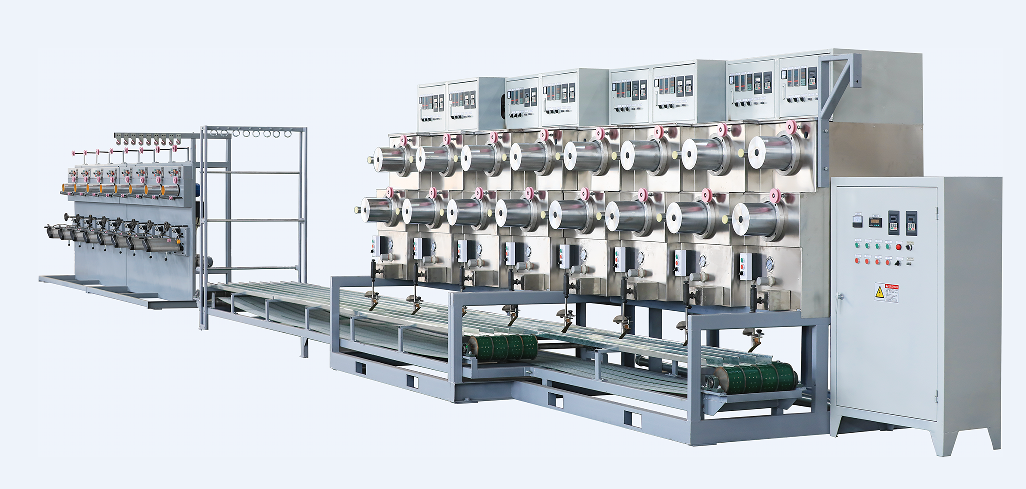
Boosting Production Efficiency with High-Performance Artificial Grass Machines
High-Speed Tufting Machines: Energy-Efficient Output at 25+ m/min Without Compromise
Today's tufting machines can reach speeds over 25 meters per minute without compromising on quality, which means big orders get completed around 40% quicker compared to older models. These machines use variable frequency drives that save energy by matching power output to what's actually needed during production runs. The tension control system keeps tufts evenly spaced throughout the entire fabric width. This setup stops problems like loops pulling through or uneven pile heights that plague many manufacturers. As a result, products consistently meet tough international standards for durability including FIFA Quality Pro requirements and ISO 10545-12 specifications that textile companies have to follow.
Monofilament Extrusion Machines: Precision Control That Cuts Raw Material Waste by 12%
The combination of microprocessor-controlled heating areas along with laser-guided diameter checks keeps melt temps right around ±1.5°C and maintains polymer flow consistency at about 99.8%. This setup helps prevent those annoying extrusion problems we all know too well - things like shark skinning on surfaces and unwanted die swell issues. When it comes to changing colors or switching batches, real time viscosity sensors step in and tweak the screw speed automatically. What does this mean? Well, materials retain their tensile strength staying above 18N/tex levels while cutting down on wasted virgin polymer by roughly 12%. Looking at actual numbers from factories certified under ISO 9001 standards reveals something interesting: these advanced systems slash changeover waste dramatically, going from about 15 meters down to less than 3 meters per transition. Plus they manage to capture around 85% of what would otherwise be lost as waste heat. Traditional extruders just can't match this kind of performance since most don't have built in energy recovery features at all.
| Performance Factor | Traditional Systems | Advanced Extrusion Machines |
|---|---|---|
| Material Variance | ±5% | ±0.8% |
| Changeover Waste | 15m per transition | <3m per transition |
| Energy Recovery | None | 85% waste heat recapture |
Ensuring Consistent Quality Through Precision Artificial Grass Machines
Tufting Machines with ±0.3mm Needle Position Accuracy for Uniform Fiber Density and Pile Height
Precision-engineered tufting machines achieve needle positioning accuracy within ±0.3mm—critical for eliminating fiber clustering, gaps, and pile height variation. This tolerance enables consistent density across every square meter and pile height control within 0.5mm, meeting the stringent requirements of FIFA Quality Pro certification for professional sports fields.
Third-party testing confirms measurable performance outcomes:
- 98.2% density uniformity
- <5% deviation in ball roll consistency
- 40% reduction in visible seam lines
Tension systems powered by servos adjust themselves when they detect changes in yarn elasticity. If the position drifts beyond 0.4mm either way, the system stops production completely to avoid making poor quality products. This consistency means the turf works just as well in hot desert conditions as it does in cooler regions, keeping water draining at around 15 to 20 inches per hour no matter which batch was produced. Field workers have noticed installation times drop by about 30 percent because the materials behave predictably from roll to roll, so there's less need for those frustrating last minute fixes everyone hates during site work.
Strengthening Durability via Advanced Coating and Backing Artificial Grass Machines
Automated SBR Latex Coating Machines: <2% Thickness Variance Across 10,000m² Batches
With automated SBR latex coating systems, thickness variations stay under 2% throughout massive 10,000 square meter batches, which stops problems like delamination, freeze-thaw cracks, and mold growth from moisture. The system uses a two part backing design that makes things much stronger. The main layer is woven polypropylene with stitches packed 18% tighter than what's normally found in similar products. Then there's an extra layer of polyurethane on top that really boosts how well it keeps water out. This combination works great for long-lasting protection against all sorts of weather conditions.
| Performance Metric | Improvement | Impact |
|---|---|---|
| Drainage capacity | 40% faster | Prevents waterlogging |
| UV resistance | 35% higher | Maintains color fastness |
| Tensile strength retention | 50% longer | Extends product lifespan |
Validated in ISO 9001-certified facilities, this integrated approach reduces warranty claims by 22% (Turf Industry Report 2024) and supports proven service life exceeding 15 years under intensive use.
Enabling Seamless Integration Across the Artificial Grass Manufacturing Line
Optimizing artificial grass machines for synchronized operation minimizes operational friction and maximizes throughput. Integrated ring twister, extrusion, and tufting lines demonstrate how automation accelerates batch transitions—achieving 22% higher uptime by eliminating manual handoffs and reducing intervention during changeovers.
Balancing Speed and Strength: How Integrated Artificial Grass Machines Maintain Tensile Integrity (ISO 10545-12 Data)
Calibrated integration between extrusion tension and tufting rate preserves fiber integrity at speeds above 25 m/min—ensuring consistent compliance with ISO 10545-12 tensile strength requirements. This synchronization eliminates trade-offs between output velocity and long-term resilience, delivering high-volume production without compromising structural performance or field-ready consistency.
FAQ Section
What are the benefits of using advanced artificial grass machines in production?
Advanced artificial grass machines enhance production efficiency and quality by increasing speed, reducing waste, ensuring precision, and improving durability in products.
How does the energy recovery feature in advanced machines make a difference?
The energy recovery feature captures waste heat, which lowers energy consumption, making production more cost-effective and environmentally friendly.
What standards do artificial grass products meet?
Products meet international standards such as FIFA Quality Pro requirements and ISO specifications, ensuring high durability and quality.
How do modern tufting machines prevent fiber issues?
Modern tufting machines use precise needle positioning to ensure uniform fiber density and consistent pile height, thus preventing issues like fiber clustering and gaps.
Table of Contents
- Boosting Production Efficiency with High-Performance Artificial Grass Machines
- Ensuring Consistent Quality Through Precision Artificial Grass Machines
- Strengthening Durability via Advanced Coating and Backing Artificial Grass Machines
- Enabling Seamless Integration Across the Artificial Grass Manufacturing Line
- FAQ Section