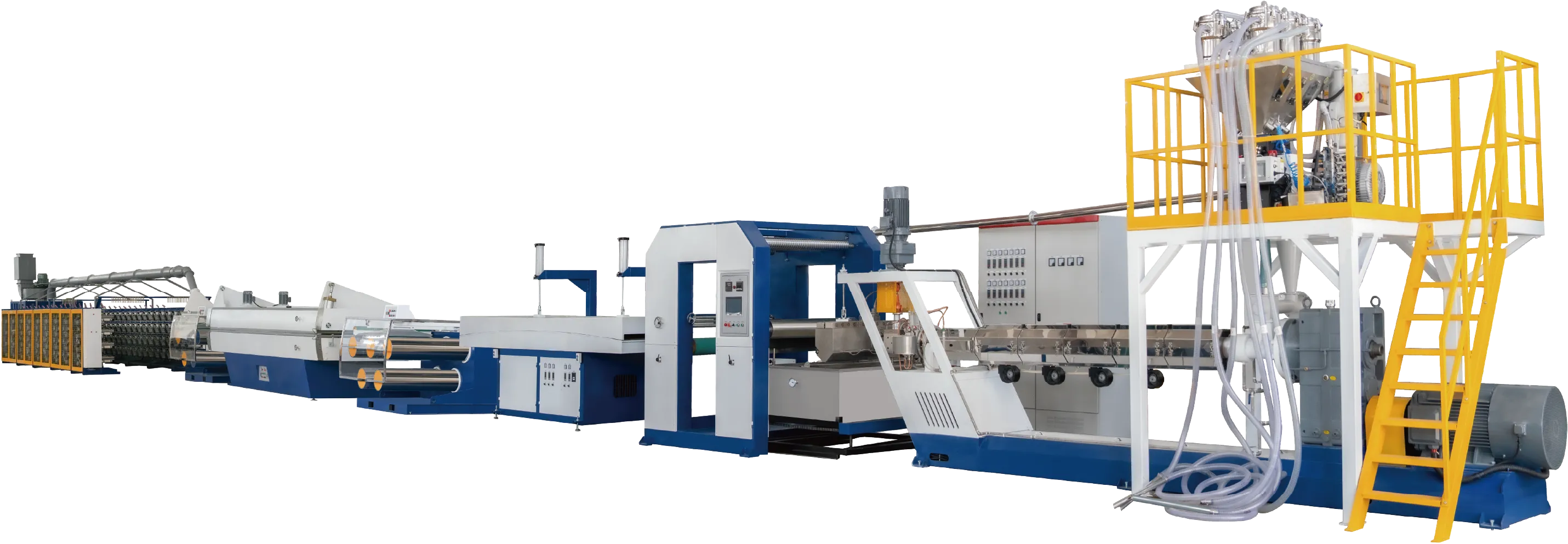
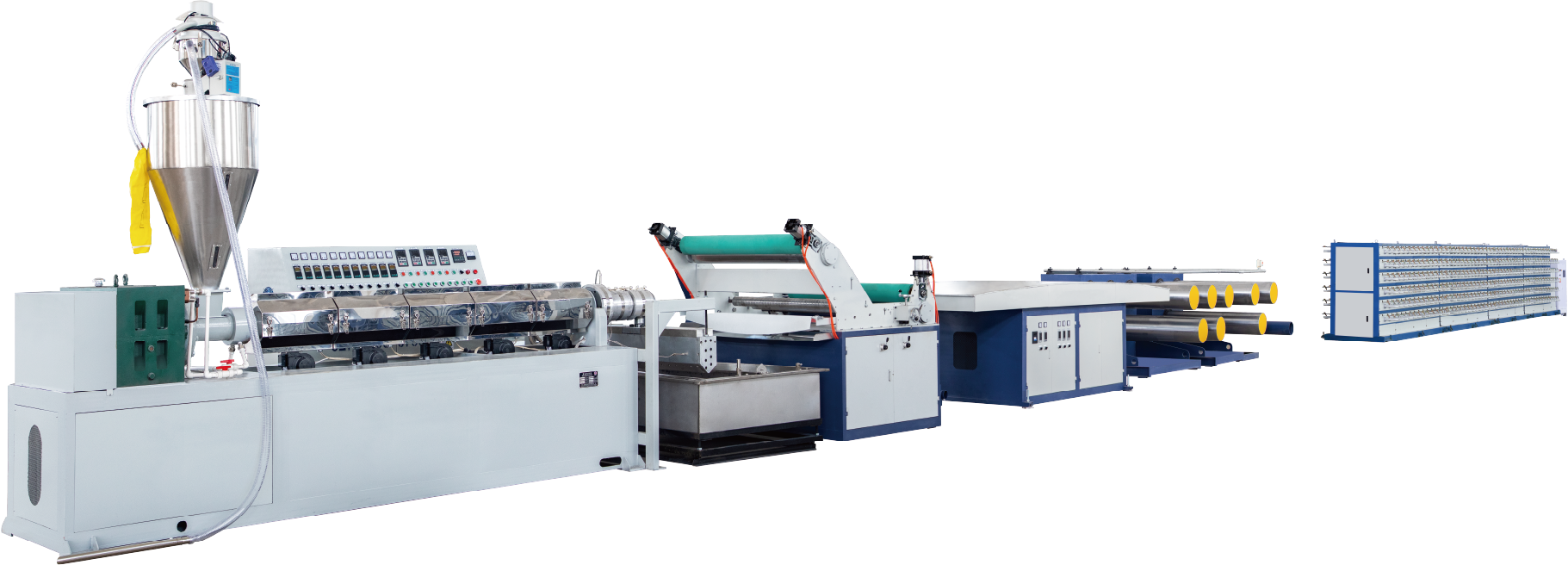
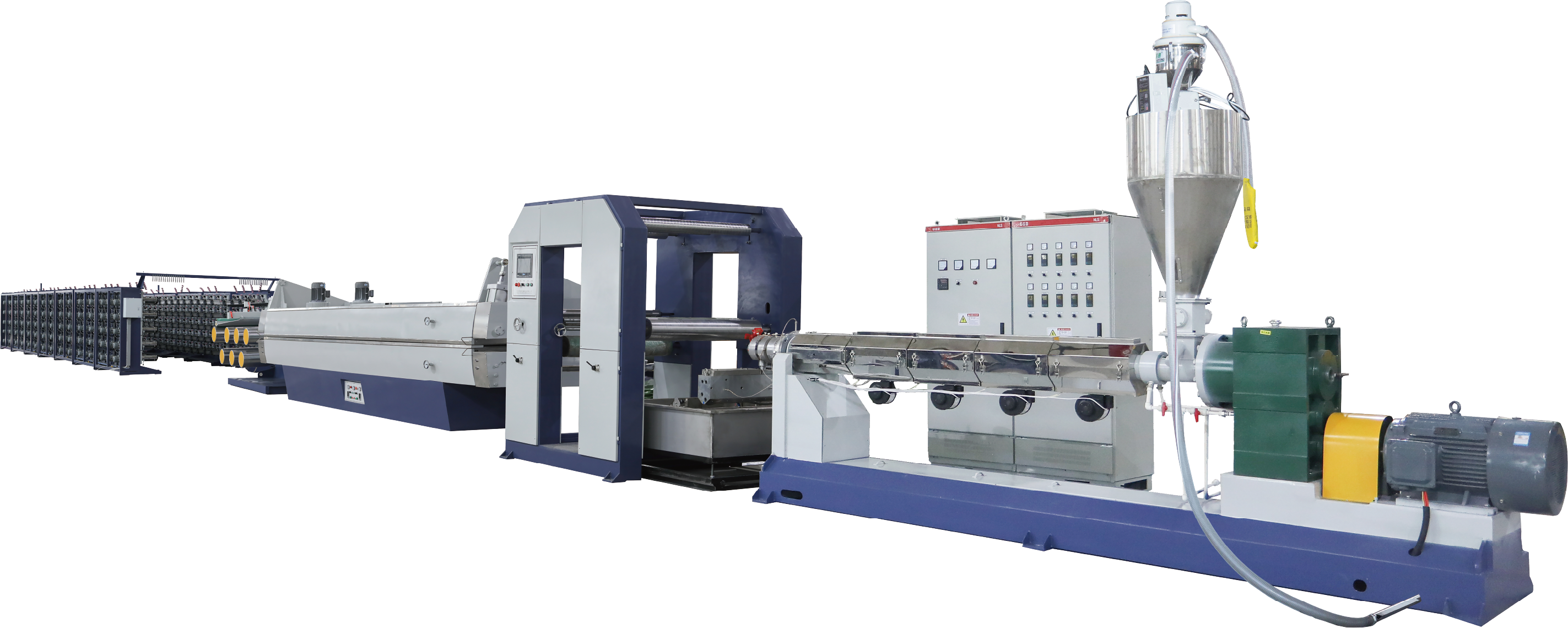
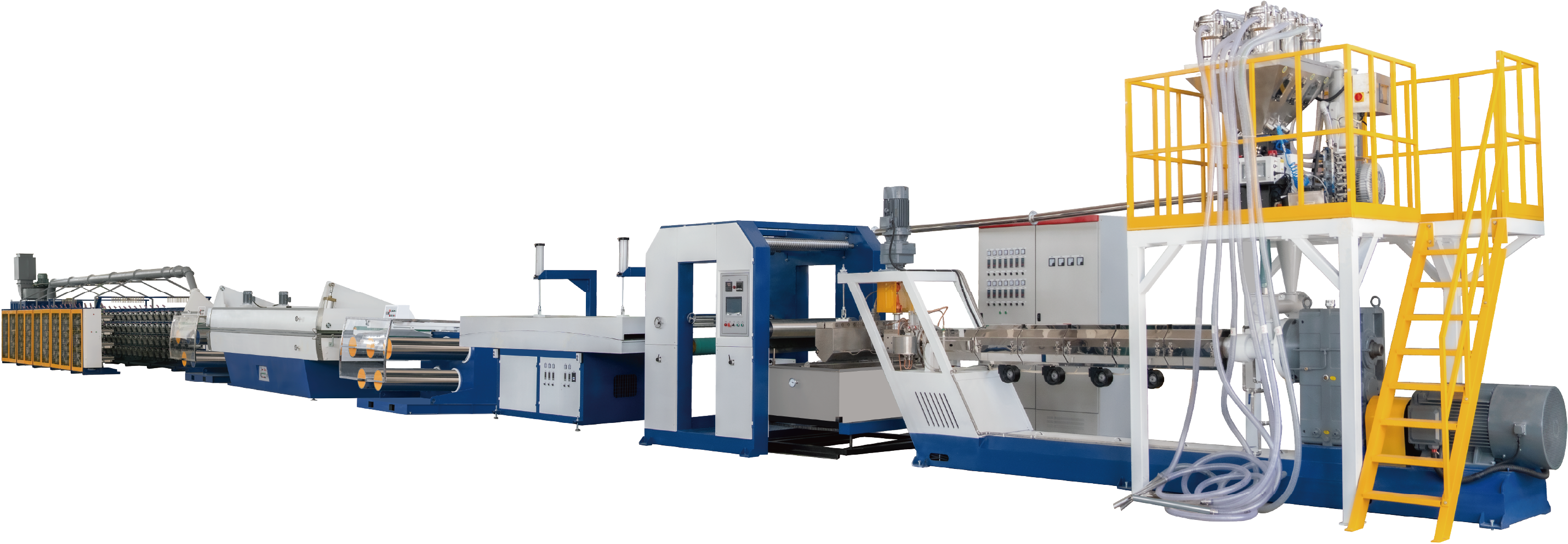
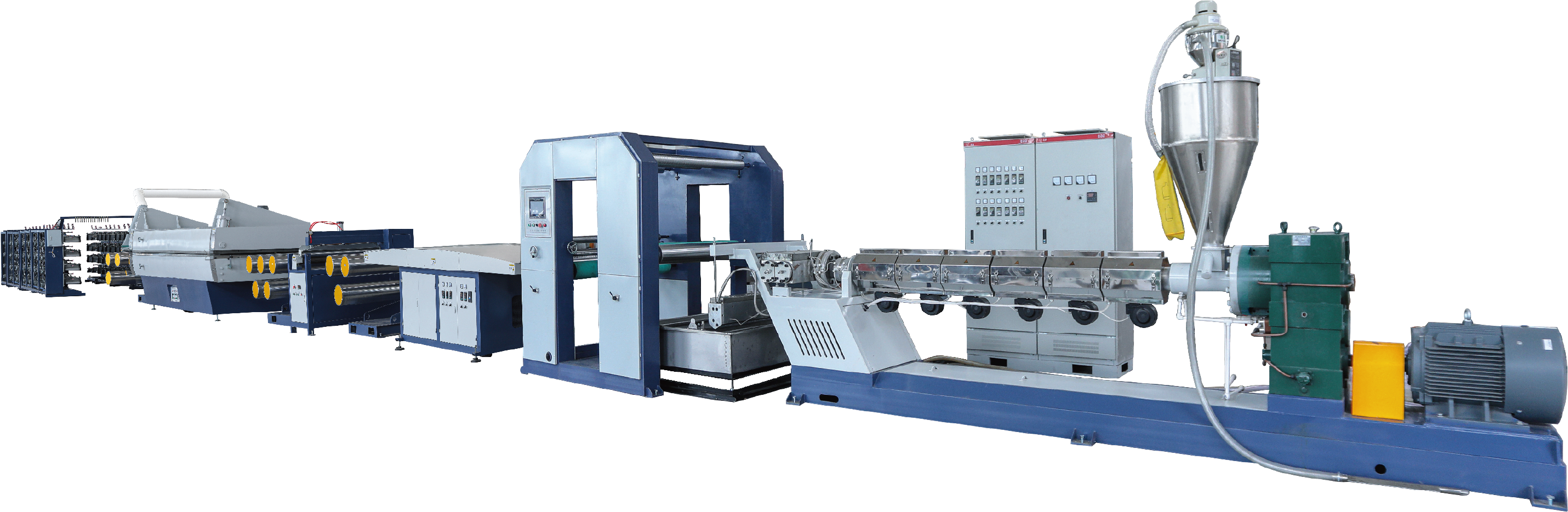
Packaging Film Drawing Machine: Core Equipment Powering the Growth of Global Packaging Sectors
The food and beverage industry stands as the largest and most stable application field for packaging film drawing machines. As consumers demand longer shelf lives and safer food, the machine’s ability to produce high-barrier, food-grade packaging films (such as PE or PP-based films) becomes critical. These films effectively block moisture, oxygen, and external contaminants, preserving the freshness of perishables like dairy, meat, and baked goods. Additionally, with the rise of small-batch and customized food products, the machine’s flexibility to adjust film thickness, width, and transparency allows manufacturers to quickly meet diverse packaging needs, ensuring steady demand in this sector.
The booming e-commerce and logistics industry drives new growth for packaging film drawing machines. E-commerce orders require robust, lightweight packaging to protect goods during transit, and the machine produces tear-resistant, shock-absorbent stretch films and protective films ideal for this scenario. Unlike traditional packaging, these machine-made films are more cost-effective and reduce material waste—aligning with logistics companies’ goals of cutting shipping costs and improving efficiency. As global e-commerce continues to expand (especially in emerging markets), the need for high-quality packaging films will directly boost demand for advanced drawing machines.
Specialized industries such as pharmaceuticals, electronics, and agriculture further expand the application prospects of packaging film drawing machines. In pharmaceuticals, the machine manufactures sterile, moisture-proof films that meet strict regulatory standards, ensuring the stability of drugs and medical devices. For electronics, it produces anti-static films to shield sensitive components from electrostatic damage during storage and transportation. In agriculture, it creates durable mulch films or seed packaging films that resist UV rays and harsh weather, supporting modern farming practices. This versatility allows the machine to tap into niche but high-value markets, reducing reliance on a single industry and ensuring long-term growth.

 EN
EN