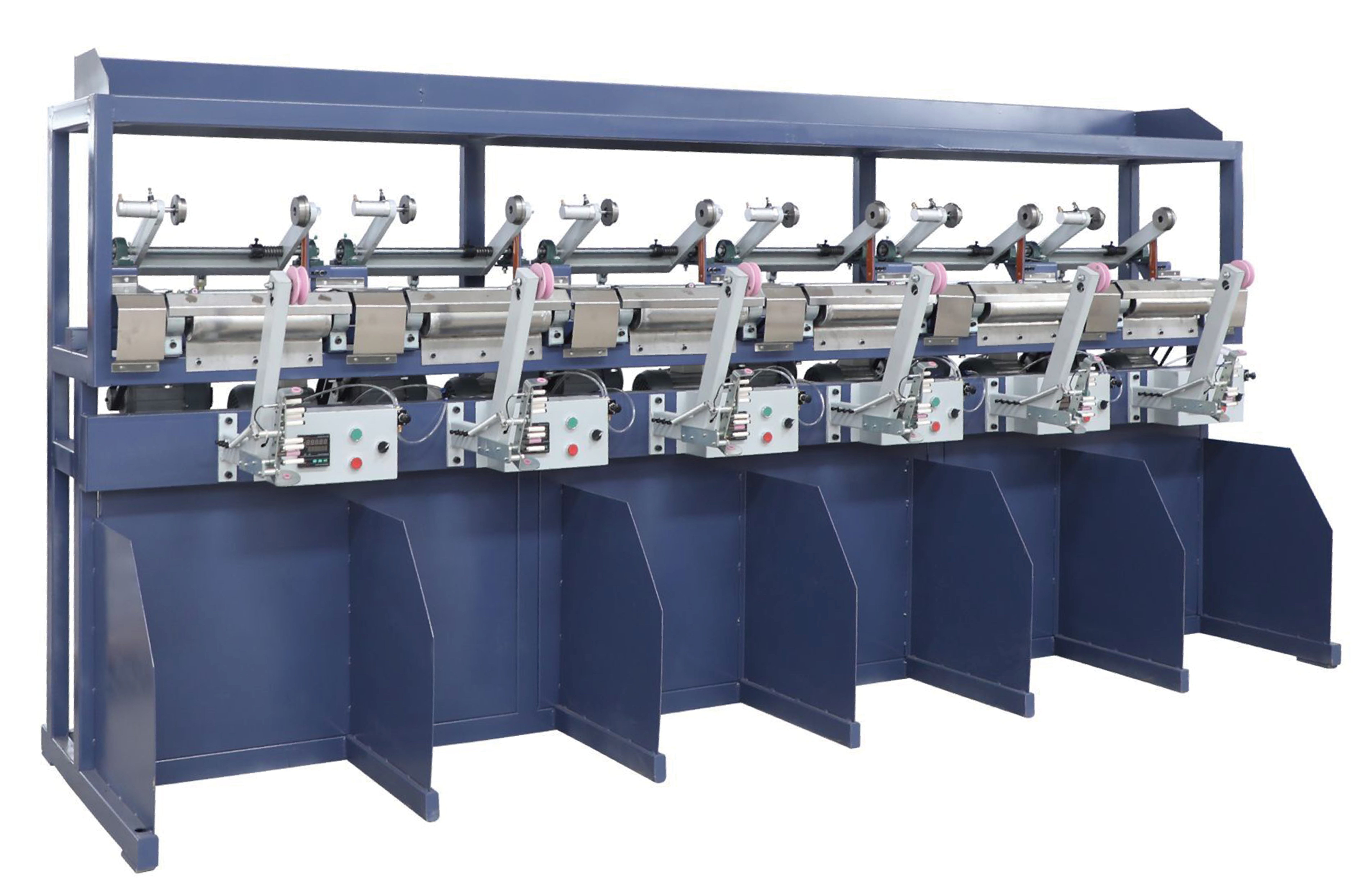
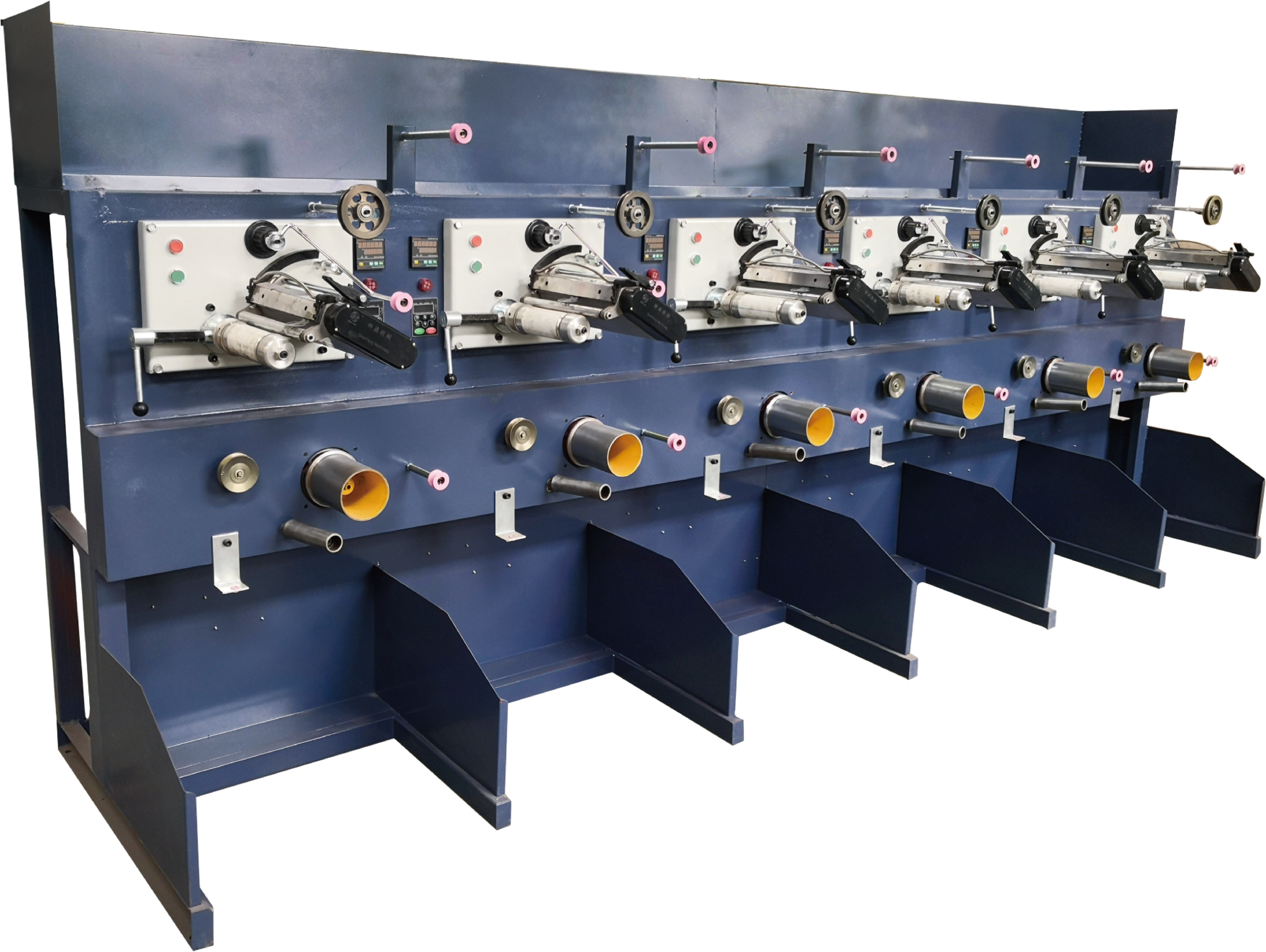
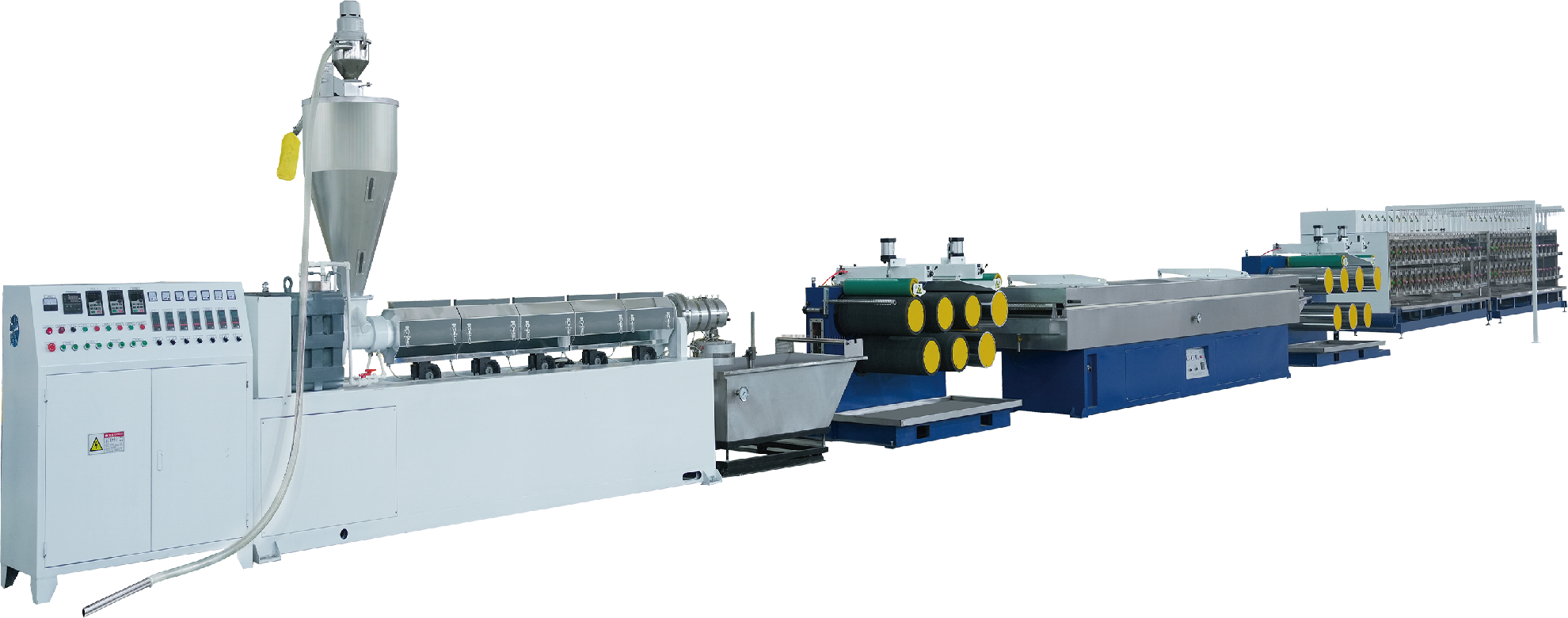
Horn Tube Winder: Essential Application Areas for Neat, Efficient Wiring
The automotive industry is a primary user of horn tube winders, as vehicles rely on organized horn wiring for reliable safety signals. Car and truck manufacturers use these winders to neatly wrap and secure the tubes that connect horn components to the vehicle’s electrical system. This prevents wiring tangles, reduces damage from vibration or heat under the hood, and ensures the horn works consistently—critical for alerting other drivers and meeting safety standards. Whether for passenger cars, commercial trucks, or off-road vehicles, horn tube winders streamline assembly and keep horn wiring in place long-term.
Marine vessels, from small boats to large ships, also depend on horn tube winders to maintain functional and safe horn systems. Boats face harsh conditions like saltwater, moisture, and constant movement, which can damage unorganized wiring. Horn tube winders protect horn tubes from corrosion by keeping them neatly coiled and secured to the vessel’s structure. They also prevent wiring from getting caught on equipment or tangled during rough seas, ensuring the ship’s horn—required for navigation and emergency signals—stays operational in all weather.
Industrial facilities, such as factories, warehouses, and construction sites, use horn tube winders to manage wiring for warning horns and alert systems. These sites often have complex electrical setups, with multiple horns placed to signal hazards, shifts, or emergencies. Horn tube winders organize the tubes connecting these horns to power sources, reducing the risk of accidental cuts or wear from heavy machinery. This not only keeps the workspace safer but also makes maintenance easier—technicians can quickly access and inspect wiring without sorting through tangles, minimizing downtime for critical alert systems

 EN
EN