
 EN
EN


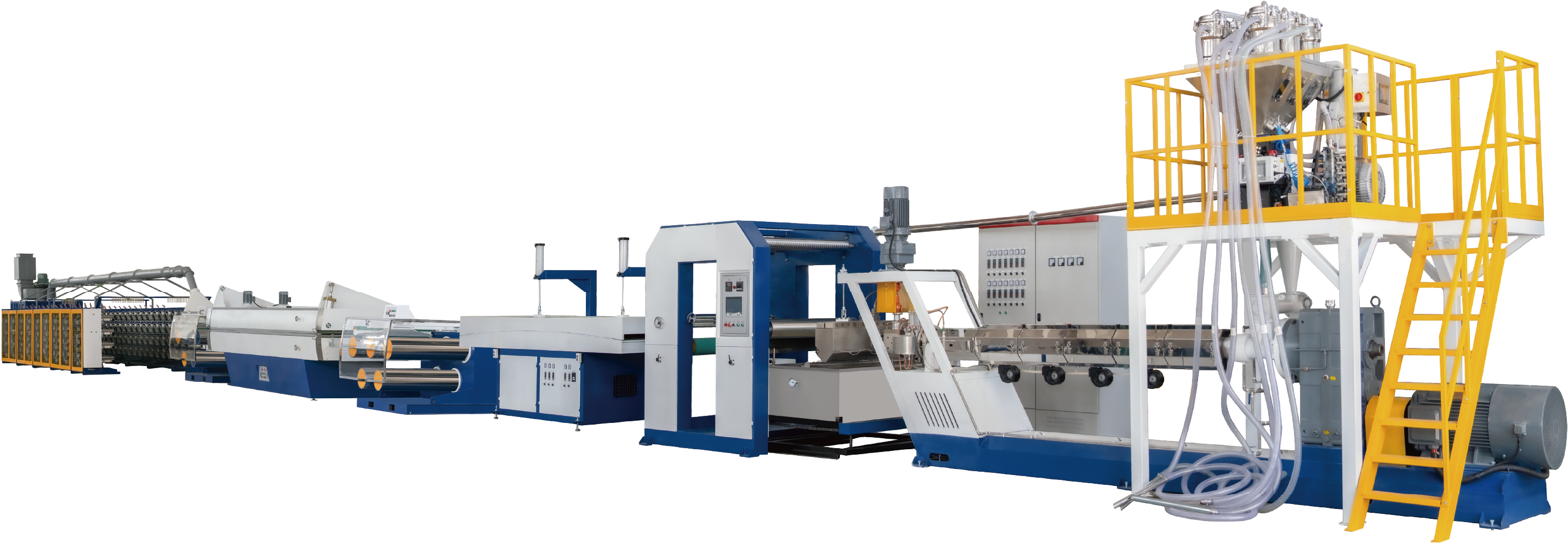
Align Blown Machine Stretch Film Capacity with Current and Future Output Goals
Matching Daily Production Targets to Machine Throughput (kg/hr)
Selecting the right blown machine stretch film system starts with a precise calculation of required throughput—measured in kilograms per hour (kg/hr)—and aligning it directly with your daily production targets. A common mistake is conflating maximum theoretical output with sustainable, continuous running speed. For operations requiring up to 100 kg/hr, a compact line often suffices; high-volume facilities packaging consumer goods may need systems exceeding 500 kg/hr to meet contractual obligations. Aligning throughput with demand prevents bottlenecks and ensures on-time delivery. It’s more efficient—and less stressful on equipment—to run a properly sized machine at ~80% of its rated capacity than to push a smaller unit to its limit, which accelerates wear and increases unplanned downtime risk. Factor in shift patterns and actual operational hours—not just theoretical 24-hour capacity—when sizing.
Planning for Scalability: Modular Upgrades and Line Integration Readiness
A blown machine stretch film investment should serve as a scalable platform, not a fixed asset. Evaluate modular architecture upfront: Can the extruder accept a higher-torque motor? Does the control system support future expansion—such as upgrading from a 3-layer to a 5-layer die—for high-performance or specialty films? Assess physical footprint and integration readiness: A well-designed system accommodates downstream additions—like automatic winders or inline slitting stations—without major layout changes. Building in surplus cooling capacity and a flexible, open-architecture control system today enables cost-effective adaptation tomorrow, whether for larger orders, tighter tolerances, or new film formulations—keeping your line competitive over time.
Ensure Blown Machine Stretch Film Material and Process Flexibility
Compatibility with LDPE, HDPE, and Biopolymers in Single- and Multi-Layer Configurations
Material flexibility is non-negotiable. The system must reliably process low-density polyethylene (LDPE) for cling and puncture resistance, high-density polyethylene (HDPE) for stiffness and moisture barrier, and emerging biopolymers aligned with sustainability goals. Modern extruders with advanced screw geometries and segmented barrel temperature control handle these resins without thermal degradation. In single-layer operation, stable melt pressure across wide viscosity ranges is essential. Multi-layer configurations impose stricter demands: each layer may require distinct thermal profiles and additive packages—e.g., an HDPE/LDPE/biopolymer tri-layer structure balancing strength, elongation, and renewability. Prioritize systems with quick-change modular feedblocks and gravimetric blending, enabling recipe adjustments in minutes—not hours—so you can shift between standard and premium films with minimal downtime.
Die Design Impact on Width, Thickness Uniformity, and Gauge Control
Die geometry fundamentally governs film width, thickness consistency, and structural integrity. A precision-engineered spiral mandrel die ensures uniform melt distribution, eliminating flow lines that create weak spots. Die gap selection—typically 0.8–2.5 mm—must match resin rheology: wider gaps suit HDPE to reduce backpressure; narrower gaps enhance gauge control for LDPE. For blown stretch film—where ±2% thickness variation is critical to load retention—automated air ring and internal bubble cooling (IBC) systems are indispensable. These dynamically adjust the frost line in real time, compensating for ambient fluctuations and resin variability. When paired with auto-gauging feedback that modulates extruder screw speed, the result is consistent quality, reduced scrap, and optimal material efficiency.
Optimize Blown Machine Stretch Film Precision, Efficiency, and Sustainability
Energy Performance: Specific Energy Use (kWh/kg) and Heat Recovery Options
Specific energy consumption—measured in kilowatt-hours per kilogram (kWh/kg)—is a key indicator of operational efficiency. Modern blown stretch film lines operate between 0.45–0.75 kWh/kg, depending on extruder size, melt temperature, and throughput. Real-time monitoring allows fine-tuning of barrel heating zones, screw speed, and cooling parameters to minimize draw. Heat recovery systems—such as air-to-air exchangers capturing waste heat from the air ring and extruder barrel—can preheat process air or facility water, cutting total energy demand by up to 20%. These improvements lower operating costs and directly support carbon reduction targets.
Integrated Quality Assurance: Auto-Thickening Gauging and Edge Trim Recycling
Precision hinges on continuous, closed-loop thickness control. Laser or infrared sensors scan the full film width in real time, feeding data to the die lip and air ring to instantly adjust gap openings and cooling rates. This auto-thickening gauging maintains thickness within ±2%, preventing breaks, weak spots, and excess scrap. Complementing this, edge trim recycling systems collect and pelletize trimmed edges—typically 3–5% of web width—and reintroduce them directly into the extruder. A robust closed-loop system recovers up to 100% of trim, significantly reducing virgin resin use, disposal costs, and environmental impact while advancing circular manufacturing objectives.
Evaluate Long-Term Value Through Manufacturer Support and Service Infrastructure
The purchase price of a blown machine stretch film system represents only the initial investment—the true cost of ownership is defined by long-term reliability and support. Unplanned downtime in continuous extrusion can cost over $100,000 per hour in lost production and wasted material (Industry Analytics, 2023), making responsive, expert service a strategic necessity—not an afterthought.
Look beyond marketing claims and assess concrete, measurable commitments:
- Technical support: 24/7 remote diagnostics and guaranteed on-site response measured in hours—not days.
- Spare parts logistics: Critical components (screws, barrels, die parts) stocked for immediate dispatch, with delivery lead times under 48 hours—and a minimum 10-year parts availability guarantee.
- Operator training: Customized, hands-on programs that accelerate proficiency and reduce costly process deviations.
- Preventive maintenance: Data-driven service contracts with scheduled inspections calibrated to actual usage, not calendar time.
- Warranty coverage: Comprehensive protection spanning mechanical systems, automation hardware, and software updates—with transparent terms and no hidden exclusions.
A supplier demonstrating these capabilities—backed by verifiable case studies and a stable global installed base—transforms equipment procurement into a durable partnership. For stretch film production—where even minor inconsistencies erode margins and customer trust—the right support infrastructure converts maintenance spend into sustained uptime, yield, and competitiveness.
FAQs
What factors should I consider when sizing a blown machine stretch film system?
Important considerations include calculating the actual throughput required (kg/hr), factoring in shift patterns, and ensuring machine capacity matches sustainable production rates, not maximum theoretical output.
How can blown machine stretch film systems be made scalable?
Evaluate the modular architecture of the machine, ensuring it supports future expansions like upgrading from a 3-layer to a 5-layer die or accommodating downstream integrations like automatic winders without major layout changes.
Why is material flexibility important in stretch film systems?
Compatibility with LDPE, HDPE, and emerging biopolymers allows the machine to produce films with varying properties such as cling, stiffness, and moisture resistance while aligning with sustainability goals.
How does die design impact stretch film quality?
Precision-engineered dies ensure uniform melt distribution, proper gauge control, and thickness consistency, which are critical for high-performance films used in load retention applications.
What value does heat recovery offer in terms of energy performance?
Heat recovery systems reduce total energy consumption by up to 20% by capturing waste heat from the process and utilizing it to preheat process air or facility water, thereby lowering operating costs.
How does manufacturer support affect the long-term value of blown machine stretch film systems?
Reliable technical support, readily available spare parts, and preventive maintenance programs reduce downtime significantly and ensure continued operation efficiency and profitability.
Table of Contents
- Align Blown Machine Stretch Film Capacity with Current and Future Output Goals
- Ensure Blown Machine Stretch Film Material and Process Flexibility
- Optimize Blown Machine Stretch Film Precision, Efficiency, and Sustainability
- Evaluate Long-Term Value Through Manufacturer Support and Service Infrastructure
-
FAQs
- What factors should I consider when sizing a blown machine stretch film system?
- How can blown machine stretch film systems be made scalable?
- Why is material flexibility important in stretch film systems?
- How does die design impact stretch film quality?
- What value does heat recovery offer in terms of energy performance?
- How does manufacturer support affect the long-term value of blown machine stretch film systems?