
 EN
EN


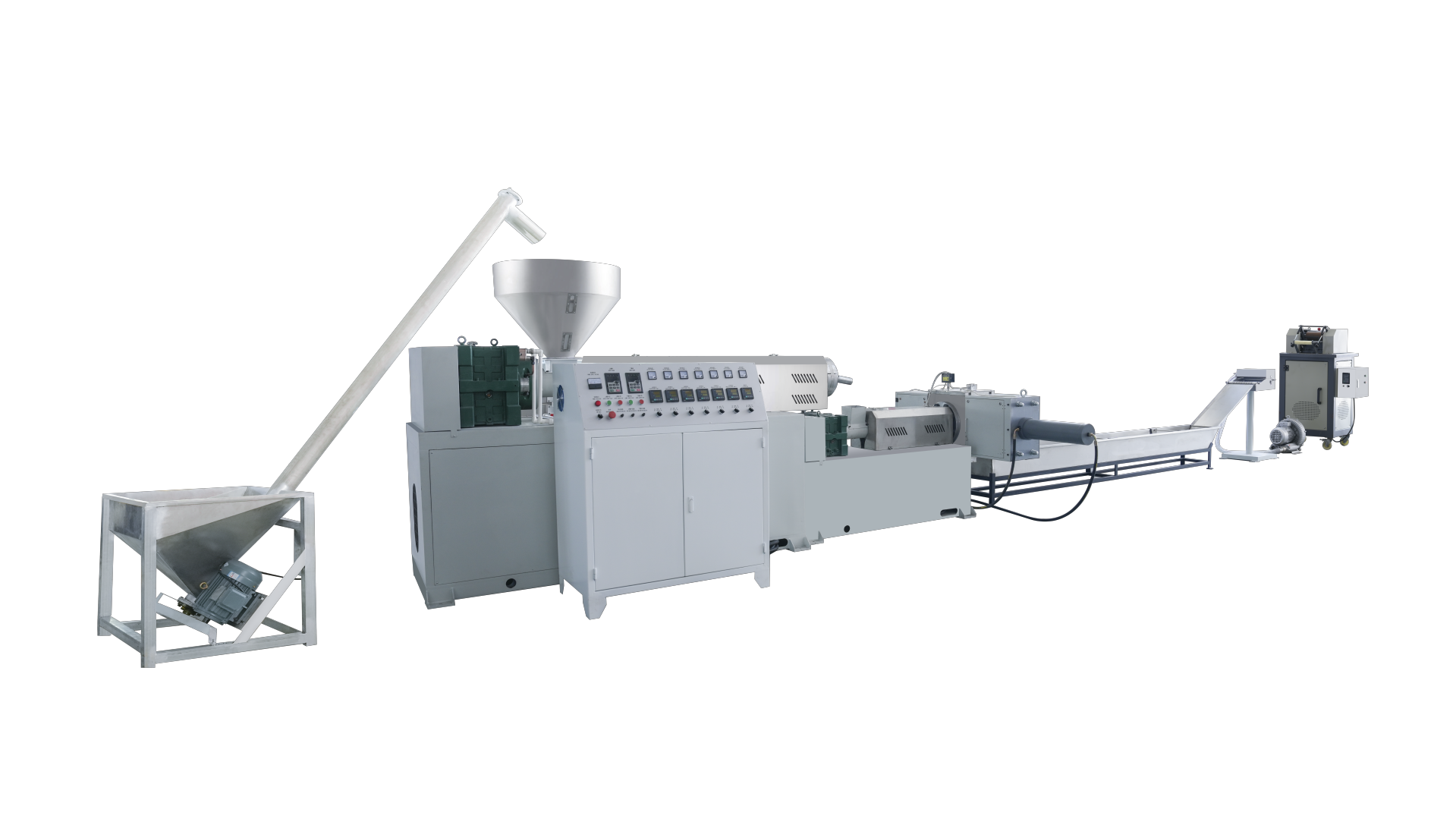
How Energy-Efficient Plastic Recycling Granulation Units Lower Operational Costs
Motor Optimization and Variable Frequency Drives for Precise Energy Use
Replacing oversized fixed-speed motors with IE4 high-efficiency motors and variable frequency drives (VFDs) delivers immediate energy savings. Traditional granulators run at full speed regardless of load, wasting power—whereas VFDs dynamically match motor speed to real-time throughput. This optimization cuts energy use by an average of 25% in typical resin processing (Energy Efficiency in Industrial Systems 2023). IE4 motors further reduce internal losses by up to 15% compared to IE3 models (IEC 2020), converting more electricity into usable torque. For a 90 kW granulator processing 600 kg/h, this combination lowers specific energy consumption from 0.12 kWh/kg to 0.09 kWh/kg—translating to ~$14,000 in annual savings at $0.10/kWh. A 2024 field study by a leading packaging supplier confirmed a 27% reduction in energy cost per ton after upgrading, achieving full payback in under 14 months. Precise speed control also reduces mechanical stress, extending blade life and minimizing maintenance downtime.
Thermal Recovery and Regenerative Braking in Modern Granulation Units
Modern granulation units recover previously wasted energy through two integrated mechanisms: thermal recovery and regenerative braking. Thermal systems capture heat from motors and drivetrains to preheat process water or supplement facility heating—reducing auxiliary energy demand. Meanwhile, regenerative braking on high-inertia rotors converts kinetic energy back into electricity during deceleration, recovering 10–15% of total energy consumed in start-stop cycles (Plastics Industry Association, 2023). When combined with waterless dry-granulation—eliminating heated wash water and thermal drying—the plant’s overall energy intensity for recycling drops by up to 40%. One European compounder reported a 22% reduction in electricity bills after integrating both technologies (2023). These advances directly lower the kWh/kg metric, reducing operational costs while supporting low-carbon manufacturing goals.
ROI and Lifecycle Cost Savings of High-Efficiency Plastic Recycling Granulation Units
Accelerated Payback: Sub-18-Month ROI Driven by kWh/kg Reduction
Well-configured high-efficiency granulation units typically achieve full return on investment within 12–18 months—driven primarily by reduced energy cost per kilogram of regrind. A leading automotive supplier installed an integrated on-site unit and cut energy consumption by 28%, reduced virgin resin purchases by 22%, and realized $340,000 in annual savings—achieving payback in just 14 months (2023 internal analysis). Upgrading to IE4 motors and VFDs alone can lower specific energy consumption from 0.50 kWh/kg to 0.35 kWh/kg—a 30% improvement that saves $15,000–$25,000 yearly for a 500 kg/h line operating 6,000 hours annually. When combined with avoided disposal fees and reclaimed material value, these gains consistently push ROI well below the 18-month threshold.
Total Cost of Ownership: Integrating Energy Efficiency, Maintenance, and Uptime
Total Cost of Ownership (TCO) encompasses energy, maintenance, labor, and unplanned downtime over a unit’s service life—not just its purchase price. Though high-efficiency granulation units carry a 15–20% upfront premium, their TCO is substantially lower. The same automotive supplier saw annual maintenance costs fall by 18% after switching to a modern unit featuring automated screen changes and regenerative braking. Reduced thermal and mechanical stress extends service intervals and decreases rotor and blade replacement frequency. Intelligent process controls also prevent jams and overloads, boosting uptime by 5–8%. Factoring in all operational advantages, lifecycle cost savings of 25–40% are typical. Procurement teams should prioritize TCO over initial capital cost—energy efficiency and reliability deliver rapid, compounding returns.
Carbon Footprint Reduction Through Next-Generation Plastic Recycling Granulation Units
Scope 1 & 2 Emissions Reduction via IE4 Motors and Waterless Operation
Next-generation plastic recycling granulation units significantly reduce both direct (Scope 1) and indirect (Scope 2) emissions. IE4 (Super Premium Efficiency) motors cut electricity consumption by up to 15% versus IE3 equivalents (IEC 2023), directly lowering Scope 2 emissions from purchased grid power. Equally impactful is waterless granulation—which eliminates energy-intensive heated washing and thermal drying steps. A 2022 analysis found waterless systems reduce total line energy demand by 30%. Together, motor optimization and waterless operation enable granulation units to achieve over 40% emissions reductions compared to conventional models.
Validating Impact: ISO 50001 Certification and LCA-Backed Environmental Claims
To credibly substantiate sustainability claims, operators should pursue ISO 50001 certification for their energy management systems. This internationally recognized standard mandates continuous improvement in energy performance and provides third-party verification of emissions reductions. Complementing this, Life Cycle Assessment (LCA) quantifies environmental impact across the full equipment lifecycle—from raw material extraction to end-of-life. A 2023 LCA conducted by a leading research institute found that advanced granulators powered by renewable electricity achieve a 45% reduction in cradle-to-gate emissions versus conventional models. These rigorously validated metrics support regulatory compliance and strengthen market positioning—enabling manufacturers to confidently label and market regrind as verified low-carbon feedstock.
FAQ
What are variable frequency drives (VFDs)?
Variable frequency drives dynamically adjust the motor speed to match real-time throughput, optimizing energy use and reducing waste.
How do IE4 motors improve energy efficiency?
IE4 motors are designed to minimize internal electrical losses, converting more electricity into usable torque and lowering energy consumption by up to 15% compared to IE3 models.
What is waterless granulation?
Waterless granulation eliminates heated washing and drying processes, dramatically reducing the energy demand in recycling operations.
What is the payback period for high-efficiency granulation units?
Most high-efficiency granulation units recover their costs within 12–18 months through reduced energy and operation costs.
What is ISO 50001 certification?
ISO 50001 is an international standard that ensures continuous improvement in energy performance and provides third-party verification of emissions reductions.
How does regenerative braking work?
Regenerative braking converts kinetic energy from decelerating rotors back into electricity, reducing overall energy consumption.