
 EN
EN



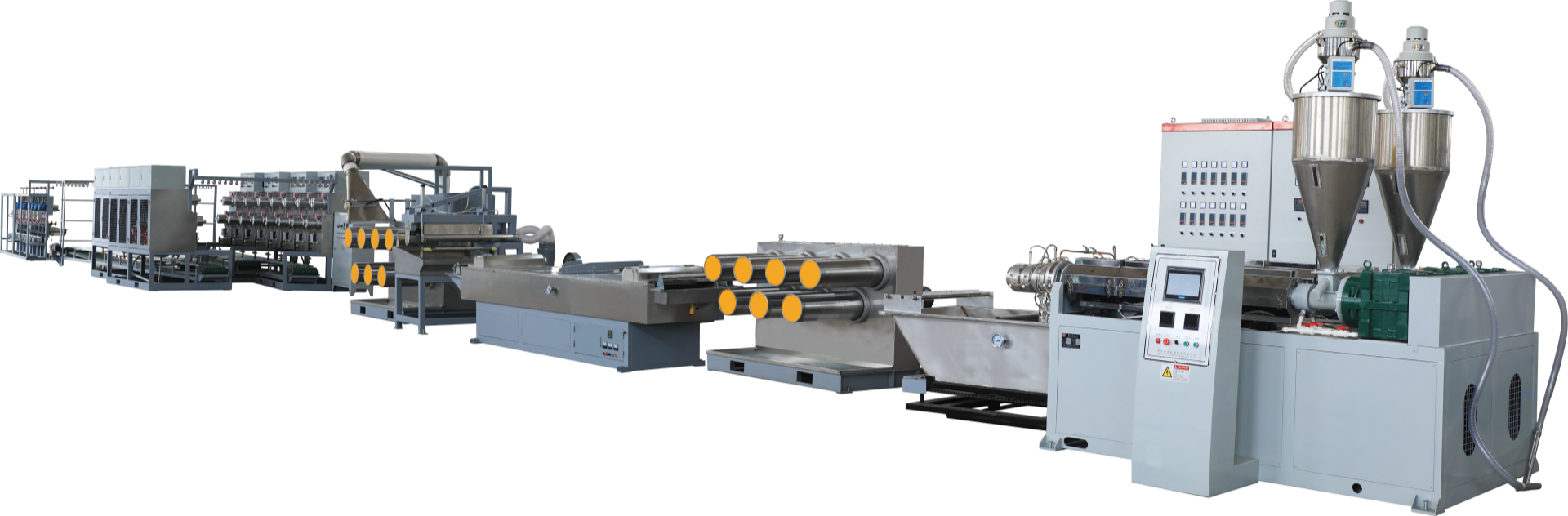
How the Artificial Grass Production Process Defines Your Machine Requirements
From Polymer Pellets to Finished Roll: The Four Critical Stages (Extrusion, Tufting, Coating, Finishing)
The production of synthetic turf goes through several key steps including extrusion, tufting, coating, and finishing, each step placing different demands on the machinery used for artificial grass manufacturing. Extrusion starts things off when polymer pellets get heated up and formed into yarn fibers. Keeping temperatures within about 2 degrees Celsius difference matters a lot for getting consistent fiber sizes and maintaining the polymer properties. Next comes tufting, where machines push those fibers into backing materials. The needle spacing and how fast they stitch (sometimes reaching around 1200 revolutions per minute) determines everything from pile height to overall look and feel of the finished product. Coating follows this with either latex or polyurethane being spread across the surface. Getting the right consistency here ensures proper sticking to whatever backing was used while keeping dimensions stable no matter what kind of material it sits on. Lastly there's finishing work involving careful cutting and winding operations that trim excess loops and tighten rolls without messing up their shape or letting them slip apart. Problems anywhere along this chain can really hurt quality. For instance worn out extruder screws might lead to uneven yarn thickness, which according to Turf Production Quarterly last year could boost waste levels between 15% and 22%.
Why Stage-Specific Demands Make 'One-Size-Fits-All' Artificial Grass Machine Solutions Ineffective
Standard equipment just doesn't cut it when dealing with all the different needs across various production stages. Take extruders for instance they need powerful drive systems to handle thick melted plastics, whereas tufting machines depend on super fast servo motors that can position needles down to the micron level. The coating lines are another story altogether requiring speed adjustable applicators that factor in fabric weight and how porous the material is something regular multi purpose machines simply cant do. According to recent industry data from 2024, factories running with general purpose gear see about 18 percent drop in output and spend roughly 30% more energy per square meter compared to shops with specialized equipment for each step. Problems really show up when scaling production up. A tufting machine built for working with nylon threads tends to struggle badly when switched to tougher polypropylene blends. Custom designed machinery isn't just some fancy upgrade its actually essential if manufacturers want consistent results, better yields, and reliable operations day after day.
Critical Technical Specifications for High-Performance Artificial Grass Machines
Width Capacity, Gauge Precision, and Stitch Rate: Why 4-Meter Tufting Machines Maximize Factory Throughput
Operations focused on high volumes see real benefits when they switch to tufting machines with at least 4 meters of working width. These wider machines cut down on material changes by around 35%, which means fewer interruptions during production runs. They also allow for single pass broadloom manufacturing, saving time and resources. The distance between needle points needs to stay pretty tight too, within about 0.1 mm, to keep the pile looking uniform across the fabric. Stitch rates need to stay above 1,200 revolutions per minute so there aren't any missed stitches or doubles. According to recent data from the Textile Machinery Society in their 2023 report, plants that have gone with these 4 meter setups actually produce roughly three times as much product per shift compared to smaller machines. While these bigger machines cost more upfront, most manufacturers find that the extra production capacity pays back the initial expense in about 14 months. So instead of thinking of width as just space constraints, it's actually becoming one of the key factors affecting return on investment for many textile operations today.
Needle Configuration, Yarn Feed Accuracy, and Backing Material Compatibility – Non-Negotiables for Consistent Quality
The needle size really needs to match up with the fiber thickness properly. For those thick 11,000 denier monofilaments, we typically use 7 gauge needles. When working with finer stuff like landscaping fibrillated yarns, going down to 20 gauge works better. The closed loop servo system helps keep things even throughout the process. Uneven density isn't just a cosmetic issue either—it actually costs around $28 per roll when it comes to waste and having to fix problems later on. What about backing materials? Machines need to grip both woven polypropylene and these newer polyurethane laminates without any slipping or alignment issues during operation. Labs have tested this stuff extensively and found that good feed mechanisms cut down on tension fluctuations by about 90%. That translates into much better Fiber Integration Homogeneity scores, usually staying above 0.92 in most production runs. None of these numbers are just random guidelines either. They represent specific calibrations that determine whether a machine produces quality products or ends up creating rejects.
Matching Your Artificial Grass Machine to Product Strategy and Output Goals
Monofilament vs. Fibrillated Yarn Production: How Fiber Type Dictates Extrusion and Tufting Equipment Design
The decision between monofilament and fibrillated yarn isn't just about what feels right—it actually determines which machines get used in production. For monofilament extrusion, keeping temperatures within about 2 degrees Celsius is pretty much essential if we want consistent strands and smooth surfaces needed for high quality sports gear or landscaping products. When it comes to fibrillated yarn though, manufacturers typically use slit film extrusion where special cutting rollers turn polymer sheets into these interconnected fiber webs. The difference matters when tufting too. Monofilament's round shape means operators need really polished needles along with low friction tension systems so nothing gets caught during processing. But fibrillated yarn has this rough texture with branches sticking out everywhere, so the machinery has to work harder with stronger grip feeders and tougher needles to keep fibers from separating when pressure builds up. According to industry reports, getting the setup wrong can lead to around 40% more broken yarns, which cuts into profits and pushes back deliveries. Matching the right machine specs to the specific fiber type removes unnecessary obstacles and helps maintain consistent pile heights across batches. That consistency is what customers ultimately care about when they're looking at product performance standards.
Calculating True Value: Total Cost of Ownership for Your Artificial Grass Machine
Energy Consumption, Predictive Maintenance Cycles, and Regional Spare Parts Support – What the Sticker Price Hides
What many buyers forget about artificial grass machines is that what they see on the price tag is just the beginning of the story. Energy costs really eat into budgets over time. The extrusion and tufting processes require so much power that in factories running non-stop, these energy bills can take up around 40% of all operating expenses. Smart maintenance systems using those internet-connected sensors cut down unexpected breakdowns by about 30% and keep machines going longer between repairs. But getting this tech working right means having compatible equipment already installed and staff who know how to work with it. Then there's the whole spare parts issue. Plants located far from suppliers wait anywhere from two to three weeks when something breaks down, which translates to losses exceeding five grand each day while waiting for replacements. Look at the big picture though, and sometimes paying extra upfront makes sense. Machines priced 20% higher initially tend to save around 35% in total costs after ten years because of better performance and fewer headaches down the road. Value isn't just about what shows up on the receipt.
FAQ Section
What are the main stages of artificial grass production?
The main stages are extrusion, tufting, coating, and finishing, each requiring specific machinery to ensure quality.
Why can't a one-size-fits-all machine be used for artificial grass production?
A one-size-fits-all machine cannot meet the specific demands of each stage in the production process, which affects quality and efficiency.
How does machine width affect production efficiency in tufting machines?
Wider tufting machines, like those with 4 meters of working width, reduce material changes and interruptions, leading to higher production efficiency.
What determines the choice between monofilament and fibrillated yarn in production?
The choice affects which machines are used, as each yarn type has different requirements for extrusion and tufting machinery.
What are hidden costs in owning artificial grass machines?
Hidden costs include energy consumption, maintenance, and availability of spare parts, which can impact long-term expenses.
Table of Contents
- How the Artificial Grass Production Process Defines Your Machine Requirements
- Critical Technical Specifications for High-Performance Artificial Grass Machines
- Matching Your Artificial Grass Machine to Product Strategy and Output Goals
- Calculating True Value: Total Cost of Ownership for Your Artificial Grass Machine
-
FAQ Section
- What are the main stages of artificial grass production?
- Why can't a one-size-fits-all machine be used for artificial grass production?
- How does machine width affect production efficiency in tufting machines?
- What determines the choice between monofilament and fibrillated yarn in production?
- What are hidden costs in owning artificial grass machines?