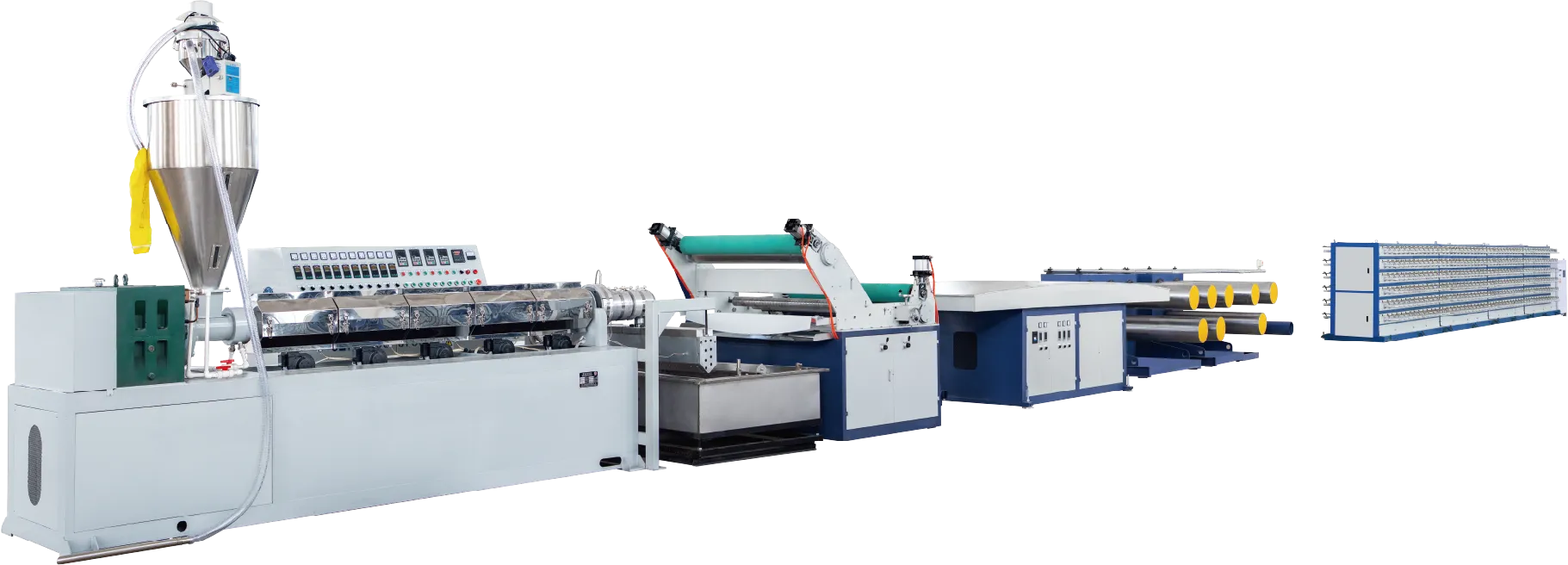
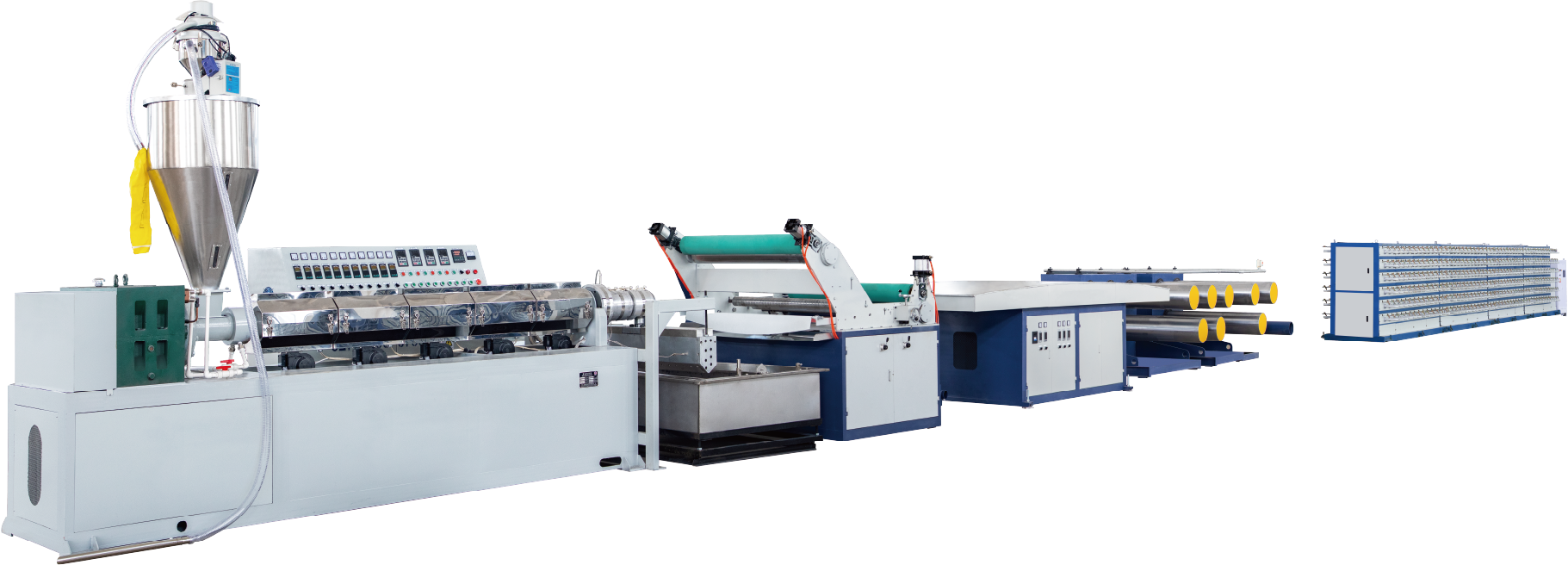
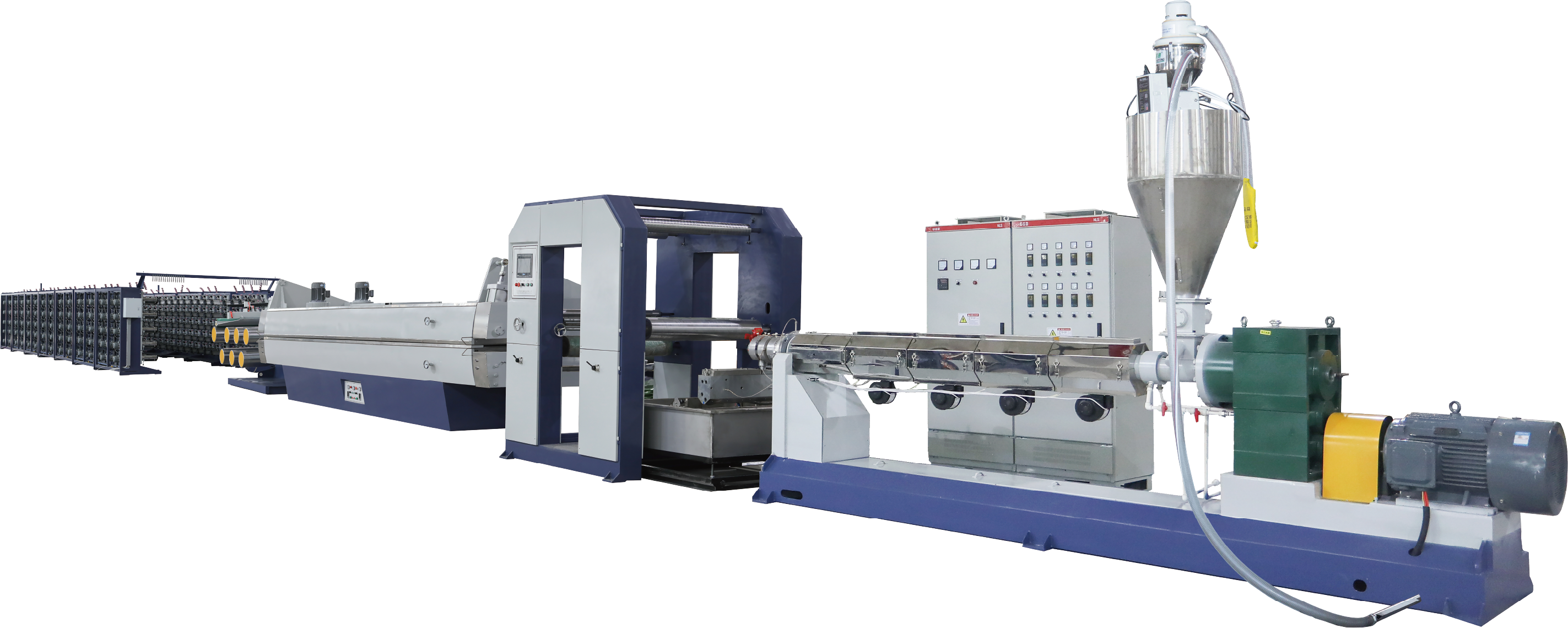
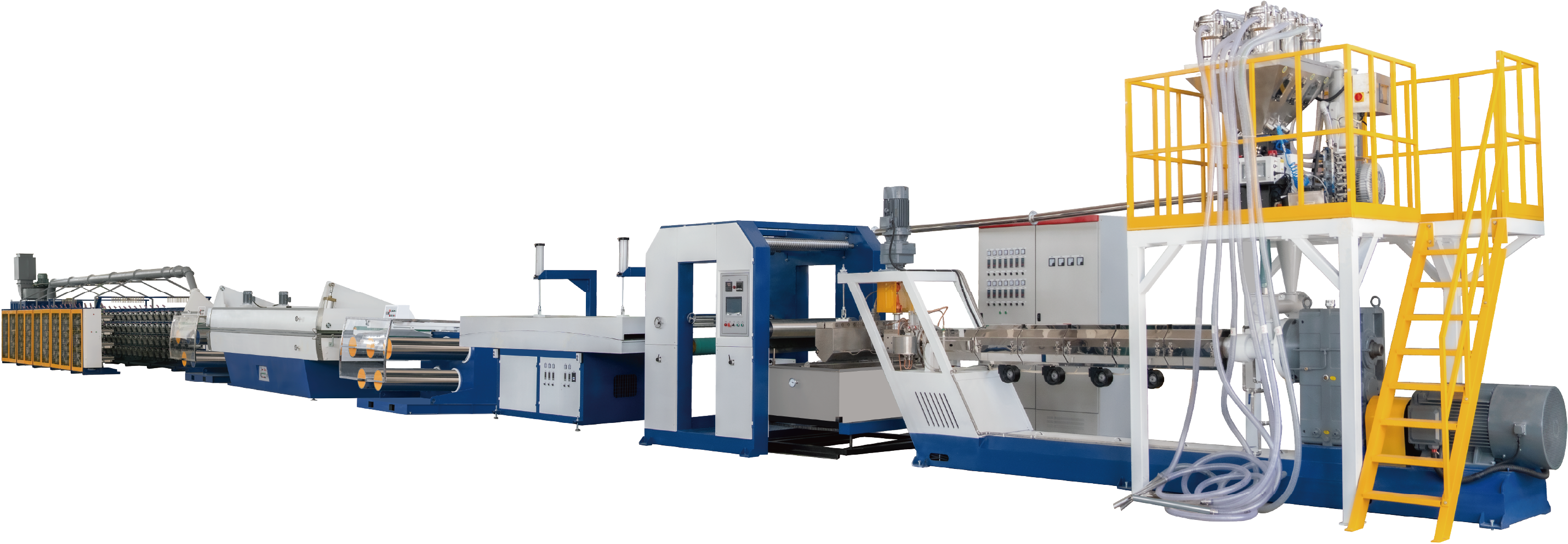
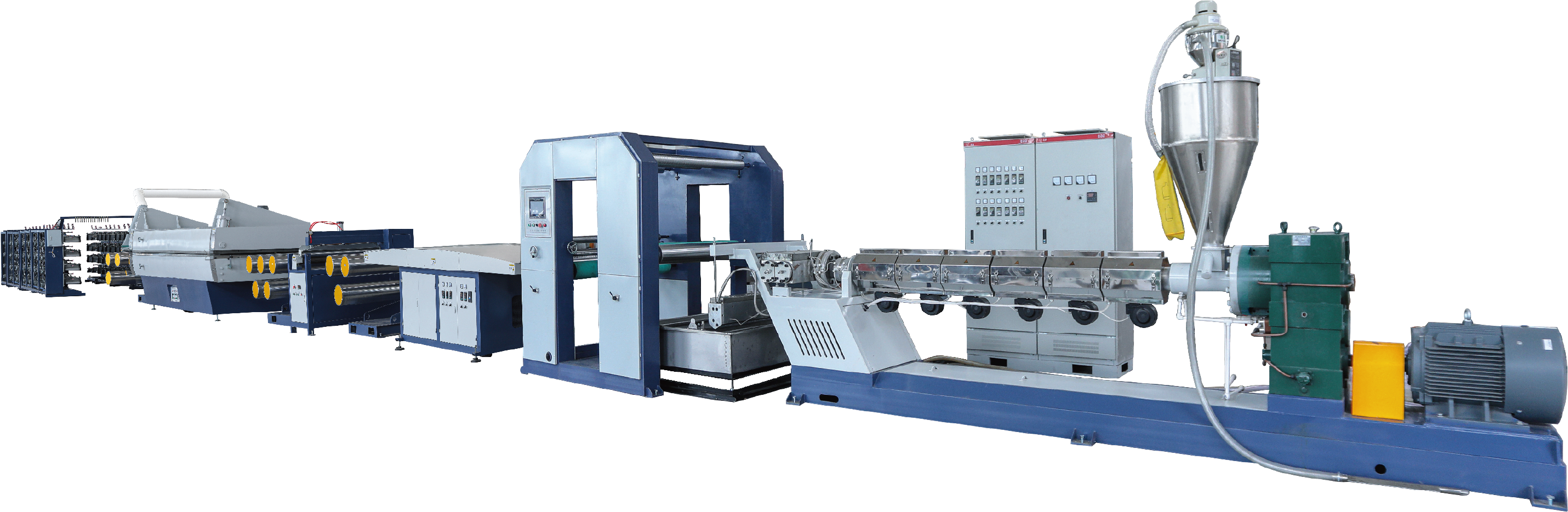
Application Prospects of Flat Film Drawing Plant: Seizing Industrial Trends for Large-Scale Value Growth
The packaging industry’s large-scale and high-quality demand will continue to drive the broad prospects of flat film drawing plants. With the boom in e-commerce logistics and the upgrading of consumer packaging needs, the market requires massive amounts of plastic flat films for carton liners, express packaging bags, and anti-collision cushion films. Meanwhile, stricter food safety standards are pushing up demand for high-barrier flat films (used in vacuum-packed meat, fresh-cut fruits, etc.), and the global shift to eco-friendly materials (such as biodegradable plastic films) means flat film drawing plants—with their ability to mass-produce and switch between material formulas—can quickly adapt to this trend, becoming a core support for packaging enterprises to expand production.
In the modernization of agriculture, flat film drawing plants will play an irreplaceable role in meeting large-area application needs. As large-scale farms, smart greenhouses, and intensive agricultural bases become mainstream, the demand for high-performance agricultural films (such as anti-aging mulch films, UV-resistant greenhouse films, and water-saving drip irrigation composite films) is growing exponentially. Unlike small machines, flat film drawing plants can produce films with customized properties (adjustable thickness, light transmittance, and tensile strength) in bulk, matching the large-area coverage needs of agricultural parks. Additionally, the policy-driven promotion of eco-friendly agricultural films will further open up market space for plants capable of producing biodegradable agricultural film products.
The emergence of high-end industrial fields is creating new growth points for flat film drawing plants. Beyond traditional sectors, fields like new energy (base films for lithium-ion battery separators), medical packaging (sterile flat films for medical device packaging), and flexible electronics (substrate films for flexible displays) are demanding flat films with ultra-high precision, consistency, and chemical stability. Flat film drawing plants, equipped with advanced extrusion, stretching, and quality control systems, can achieve standardized, high-precision production—meeting the strict quality requirements of these high-end fields. This not only breaks the reliance on imported high-end films in some industries but also pushes flat film drawing plants into a higher-value market segment.

 EN
EN